Beware of Post-Sahur Sleepiness: Are You Ready with Car Insurance?
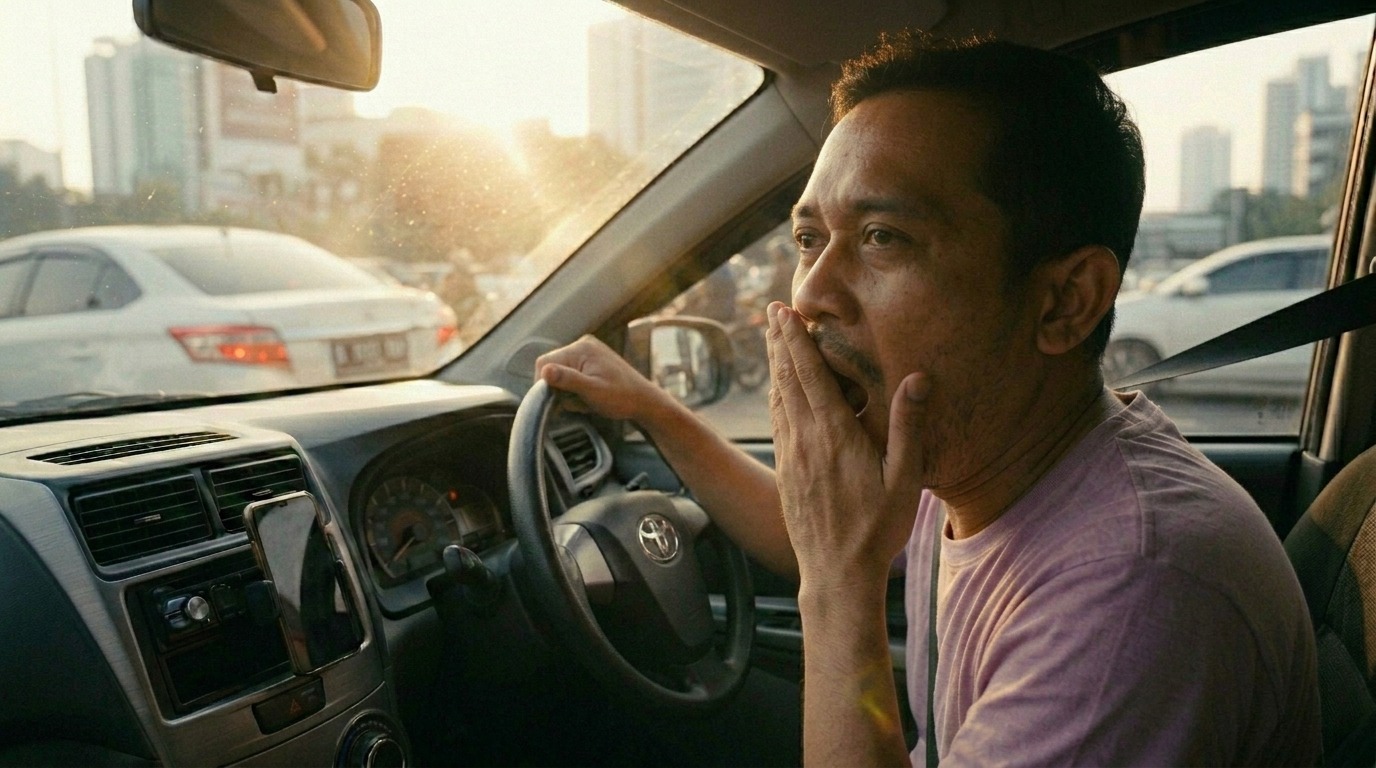
Ramadan brings changes to the daily rhythm. Sleep times shift, sahur (pre-dawn meal) is eaten early in the morning, and activities continue as usual. For those of you who still have to drive after sahur and morning prayers, this change in sleep patterns can affect concentration.
Many people feel sleepy or drowsy when driving in the morning during Ramadan. Even with strong intentions to stay focused, physical condition isn't always optimal.
Post-sahur sleepiness isn't just a simple feeling of tiredness. In the context of road safety, it's a risk factor worth recognizing. What you experience personally is also reflected in national and global data. Changes in sleep rhythms aren't just subjective experiences, but have real implications for road safety.
Drowsiness While Driving Is Not Just a Feeling
Data from the National Police Criminal Investigation Agency (Bareskrim Polri) shows that human factors remain the primary cause of traffic accidents in Indonesia. Of the 148,798 traffic accidents reported throughout 2023, 94.63%, or 140,812, were caused by human factors.
Globally, WHO in Global Status Report on Road Safety 2023 confirms that traffic accidents remain the leading cause of death in children and young people aged 5–29 years, with more than half of the fatalities occurring among pedestrians, cyclists, and motorcyclists.
During Ramadan, changes in sleep cycles can potentially increase these risks. Research published by WHO EMRO shows that drowsiness while driving is a major contributor to traffic accidents. It is estimated that approximately 100,000 accidents per year globally are caused by drowsiness, resulting in more than 1,500 deaths and 70,000 injuries. Eating sahur early in the morning can cut into the duration of primary sleep, and not everyone is able to compensate with additional rest.
This means that the risk lies not solely in driving intent or ability, but in altered physiological conditions. In practice, these conditions often manifest in very brief but dangerous forms.
A single second of lapse in focus can have major consequences.
The term micro-sleep refers to a condition where a person falls asleep for a very short time, even for a matter of seconds, without realizing it. In a driving situation, a single second of lost focus can be enough to cause a minor collision or accident.
Sudden braking by the vehicle in front, a motorbike overtaking from the left, or sudden traffic jams on the toll road can be situations that are difficult to anticipate if concentration is not optimal.
Of course, safety remains the top priority. If possible, pulling over for a break is a wise move. However, in practice, not all incidents can be completely avoided.
This is where financial preparedness comes into play. When preventative measures have been taken but risks still occur, financial protection becomes the next layer of protection.
The Risks Aren't Just to Your Vehicle
Minor accidents caused by lack of focus don't always result in damage to your own car. Collisions with other vehicles, fences, or public property can result in additional financial liability.
All-risk car insurance, generally includes Third Party Liability (TPL) coverage under the policy terms. This means that if damage occurs to another party's property or vehicle due to negligence, repair costs will be covered within the coverage limits.
Without protection, a situation like this could escalate into a lengthy argument at the scene, especially in a fasting physical condition.
Ensuring your policy is active and meets your needs helps reduce additional stress in an already stressful situation.
You can learn the full benefits through the page Oona Car Insurance. However, good protection isn't just about coverage, but also about ready access when needed.
Make Sure Your Policy Is Active and Easily Accessible
Besides coverage, ease of process is also important. When you're not in top physical condition, a simple procedure is a plus.
Some things you can make sure of before driving during Ramadan:
Policy status is still active
Coverage according to your needs
Emergency services information is available
The claim process can be done practically
Oona offers a digitally accessible purchasing and claims process, allowing you to check coverage details directly through your mobile device.
This preparedness doesn't mean expecting an incident to happen, but rather ensuring you don't have to bear the entire financial burden alone if the unexpected arises. While financial protection is important, the first step is prevention.
Tips to Reduce the Risk of Sleepiness After Sahur
Insurance is no substitute for caution. The best protection always starts with prevention. Here are some practical steps you can take to reduce the risk of driving while sleep-deprived during Ramadan.
Preventive Driving Tips
| Why It's Important
| Impact If Ignored
|
|---|
Go to bed early before sahur
| Helps maintain adequate sleep duration even when waking up earlier
| Decreased concentration and slowed reflexes while driving
|
Avoid driving immediately if you feel very sleepy.
| Give your body time to fully wake up and stabilize
| The risk of micro-sleep in seconds
|
Take advantage of a short break before leaving
| A 10–20 minute power nap can improve focus
| Delayed reaction to road conditions
|
Make sure you are in good physical condition before a long trip.
| Long journeys require more stable stamina
| Fatigue may worsen during the journey
|
Disclaimer: The tips in this table are general guidelines and do not replace a thorough assessment of your personal physical condition or applicable driving safety regulations. Always prioritize safety and adjust your decisions based on your current circumstances.
The best approach always starts with awareness of your physical condition, followed by adequate financial protection. The combination of the two can help you experience Ramadan more safely and with peace of mind. In the context of increased mobility during Ramadan, this preventative approach becomes even more relevant.
Why Car Insurance Matters During Ramadan
Mobility tends to increase during Ramadan, both for daily activities and preparations for returning home. At the same time, changes in sleep patterns can affect concentration.
This combination makes vehicle protection relevant not only as an administrative obligation, but as part of seasonal risk planning.
Car insurance helps maintain family budget stability when an incident occurs that requires significant repair costs. After understanding the importance of protection, the next step is to choose an insurance provider with a foundation of trust and adequate service capacity.
Why Choose Oona Car Insurance
Choosing protection is not only about the benefits, but also about trust in the company that provides it.
With over 40 years of experience in the insurance industry and as the first general insurance company listed on the Indonesia Stock Exchange, Oona operates with strictly monitored standards of transparency and governance.
This trust is supported by:
600+ official partner workshops to support vehicle claim services
RBC 727.7%, reflecting healthy financial conditions in accordance with regulatory provisions
1200+ distributors and marketing staff in various regions
700,000+ claims resolved, demonstrating experience in handling customer needs
With its extensive network and convenient digital processes, Oona is committed to providing you with easy access and clarity of information before you make a decision.
If you want to know the estimated premium according to your vehicle needs, do a simulation yourself via the page Oona Car Insurance to explore the protection options that best suit your needs and budget. Ultimately, this entire discussion comes down to one thing: how to maintain peace of mind during this month of reflection.
Readiness is a Form of Responsibility During Ramadan
Ramadan teaches awareness and self-control. However, we also need to acknowledge physical limitations, including changes in sleep patterns that can affect focus while driving.
Ensuring your car insurance is active doesn't mean planning for failure. It's a proactive measure to protect your family budget from risks that aren't always predictable.
Stay alert on the road, take care of your body, and make sure your protection is ready when needed.