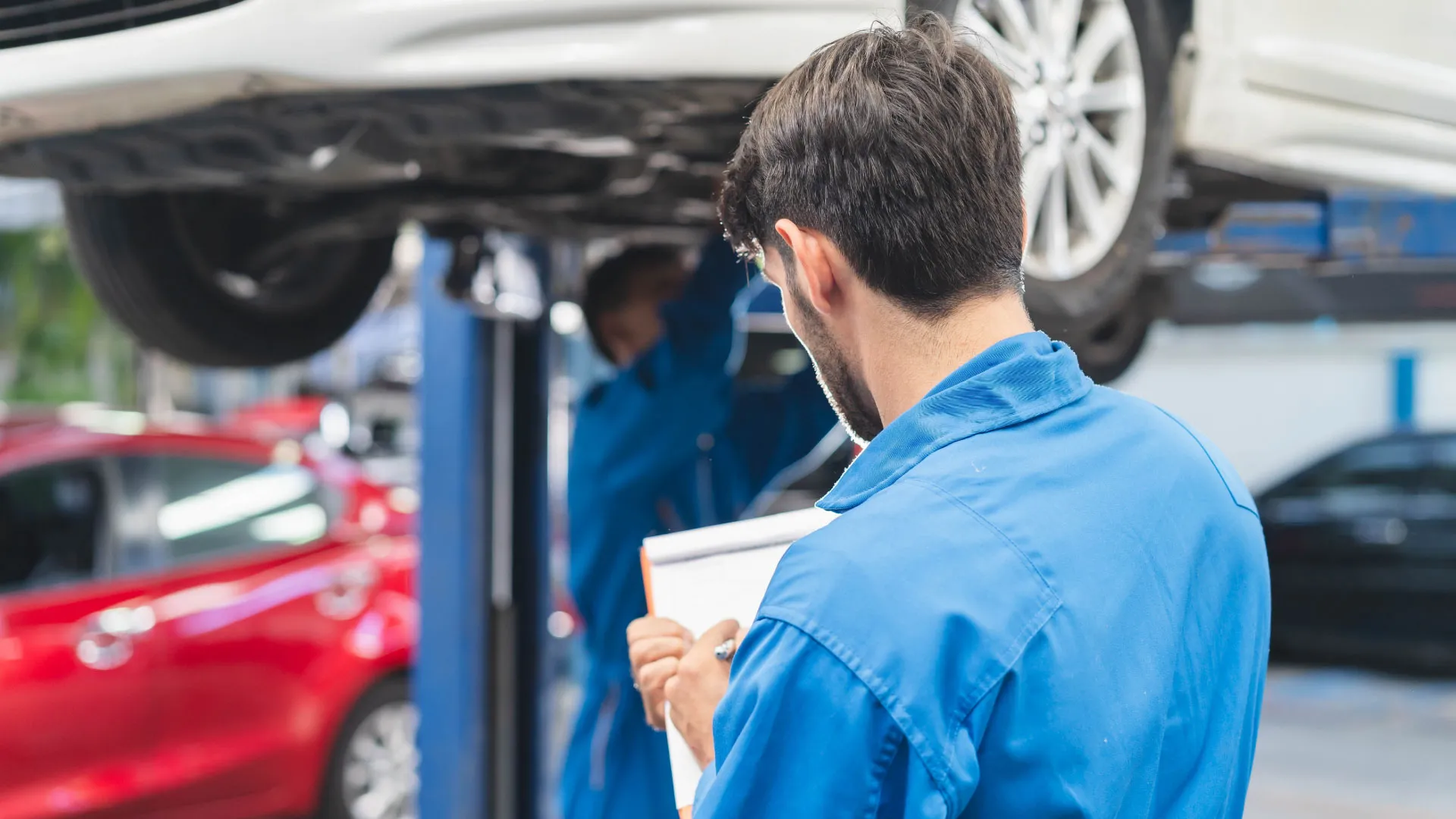
Why is Regular Servicing important?
Many new car owners think their vehicles are still in prime condition, so they consider postponing regular servicing acceptable. In fact, according to data from the U.S. Department of Energy, regularly serviced cars can improve fuel efficiency by up to 20%. In addition, regular servicing helps extend the life of the vehicle and prevents major damage that can lead to costly repairs.
That’s why understanding and scheduling periodic servicing from the start is one of the best long-term investments you can make.
To help you get started, here’s a car service checklist you should follow, complete with recommended time intervals and components to check.
Car Service Checklist for New Car Owners
1. Inspection And Replacement of Engine Oil
The engine oil functions to lubricate the internal components of the car, prevent wear, and keep the temperature stable. Ignoring oil replacement can cause serious engine damage.
Recommendation:
Change engine oil every 5,000-10,000 km or according to the manufacturer's recommendations.
Use oil with specifications according to the vehicle manual.
According to the AAA Automotive Research Center, about 20% of vehicles on the road have problems because oil is rarely replaced.
2. Brake system inspection
The brake system is one of the most important aspects of safety in cars. Ensuring the brakes are optimal in preventing the risk of fatal accidents.
Brake service checklist:
Check the thickness of the brake lining every 10,000 km.
Check the condition of the brake fluid and change every 2 years.
According to the National Highway Traffic Safety Administration (NHTSA) data fromThe problematic brakes contribute to more than 22% of vehicle accidents in the United States.
After ensuring the engine and brake system in optimal conditions, the next step is to maintain other vital parts such as the cooling system and your vehicle's tires.
3. Checking the Cooling System
The cooling system helps keep the engine temperature optimal. Without good cooling, the engine can experience overheating which results in severe damage.
Cooling system service checklist:
Check the radiator fluid level every 10,000 km.
Change the radiator fluid according to the recommended interval of the manufacturer, usually every 2 years.
Check the condition of the hose and cooling fan.
After making sure the cooling system works well, it's time to switch to the car that is directly related to the road surface: tires.
4. Tire Rotation and Care
Tires are the only part of your vehicle in direct contact with the road. Proper maintenance improves safety and reduces fuel consumption.
Tire service checklist:
Rotate tires every 8,000–10,000 km to prevent uneven wear.
Check tire pressure at least once a month.
Inspect tread depth regularly to ensure it’s within safe limits.
According to the U.S. Department of Energy Inappropriate tire pressure can increase fuel consumption by 3%.
In addition to tires, your car’s electrical components, such as the battery, also require regular attention to prevent unexpected failures.
5. Battery check
A healthy battery ensures your car starts reliably every time. This is especially important for modern vehicles with many electronic systems, where battery health is crucial.
Battery maintenance checklist:
Check the battery voltage every 6 months.
Clean the battery terminals to prevent corrosion.
Replace the battery every 3–5 years, depending on its condition.
According to the AAA Automotive Research Center, more than 20% of vehicle breakdowns on the road are caused by battery issues.
After checking electrical components, remember that driving comfort and stability also depend on a well-maintained steering system and healthy suspension.
6. Steering and Suspension System Service
The steering and suspension systems are essential for maintaining comfort, control, and stability when driving on various road conditions.
Steering and suspension service checklist:
Check for leaks in the power steering system.
Inspect the condition of the shock absorbers every 20,000 km.
Ensure there are no unusual noises when driving over bumpy roads.
Now that you understand the importance of each component in a periodic service checklist, it’s time to discuss how to create a personal service schedule to keep all these components properly monitored.
Make a personal service schedule for your new car
Knowing what needs to be checked is the first step, but the success of car maintenance depends on your consistency in following a schedule.
Tips for creating a personal service schedule:
Set reminders in your mobile calendar app.
Record every service performed, including the type of service and the odometer reading at the time.
Always consult your vehicle’s manual for the manufacturer’s recommended intervals.
By recording and following your service schedule, you’ll not only maintain your car’s performance but also help preserve its resale value.
According to an article from Otospector, cars with a well-documented service history usually have a higher resale value than cars without a service record.
Conclusion: Periodic Servicing = A Future Investment in Your Car
Caring for your new car through regular servicing isn’t a burden—it’s a long-term investment. By maintaining optimal performance from the start, you reduce the risk of costly repairs in the future, improve safety, and save on operating costs.
Make sure to incorporate all of these checklists into your driving habits. Regular servicing can help prevent unexpected breakdowns—and even make insurance claims smoother. For added protection against unexpected risks, don’t forget to choose the right coverage with Oona Car Insurance.