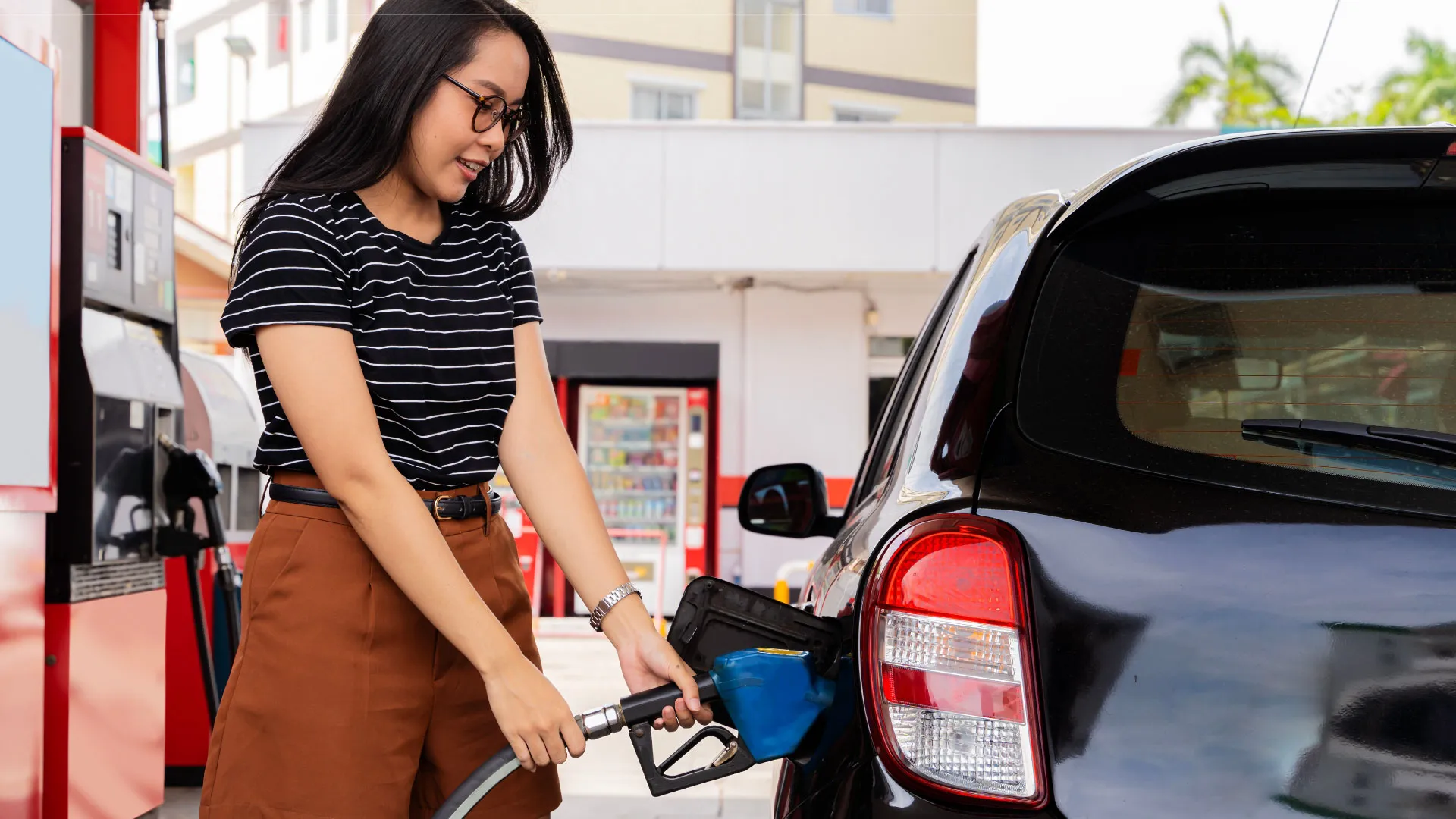
Congestion and Fuel Consumption: Urban Driver Reality
Driving every day in a big city isn’t just a challenge of time—it also affects your wallet. High fuel prices, combined with unpredictable traffic conditions, make gasoline one of the biggest expenses for car owners.
For example, during a typical workweek, drivers can spend hundreds of thousands of IDR just on their daily commute. Even if you have a fuel-efficient car, achieving good fuel economy is difficult without the right driving strategies.
That’s why it’s important for every driver to focus not just on reaching their destination, but on doing so as economically as possible.
1. Use the Eco-Driving Technique
Fuel consumption starts the moment you turn on the engine. Many drivers don’t realize that habits like warming up the car for too long or pressing the gas pedal too aggressively when starting off can significantly increase fuel use.
Eco-driving techniques you can apply:
Don’t warm up the car for too long (just 30–60 seconds is enough for modern cars).
Accelerate slowly and smoothly.
Keep RPMs low, ideally below 2,500 rpm.
This technique is not only environmentally friendly but can also reduce fuel consumption by 10–15%.
After improving your driving habits from the start of the trip, don’t forget there are other technical factors that also affect fuel efficiency—like maintaining proper tire pressure.
2. Check Tire Pressure Regularly
Tire pressure is often overlooked, even though it has a major impact on fuel consumption. According to research from the U.S. Department of Energy, underinflated tires can increase fuel consumption by 3% or more.
Practical tips:
Check tire pressure at least once a week.
Use the PSI level recommended by the manufacturer.
Consider using nitrogen for better pressure stability.
This simple habit can significantly help reduce your vehicle’s operational costs. In addition to maintaining proper tire pressure, avoiding long idling times also plays an important role in saving fuel on a daily basis.
3. Turn Off the Engine During Long Stops
If you’re waiting for more than a minute—like at a long red light or while waiting for a friend—it’s better to turn off the engine. According to the Environmental Protection Agency (EPA), switching off the engine during stops longer than 60 seconds can save fuel and reduce carbon emissions.
After optimizing engine use when idling, it’s also important to pay attention to other features that quietly drain fuel—like air conditioning.
4. Use AC Wisely
The air conditioner is one of the car features that can significantly affect fuel consumption. According to the Energy Saving Trust, excessive use of AC can increase fuel consumption by up to 10%, especially in heavy traffic.
Tips to save fuel when using AC:
Use the recirculation mode.
Turn off the AC in the morning or evening if the temperature is cool enough.
Avoid turning on the AC immediately when you start the engine.
Beyond using your car’s features wisely, vehicle load is another factor that can impact fuel consumption but is often overlooked.
5. Reduce Vehicle Weight
Every extra 50 kg of weight in your vehicle can increase fuel consumption by about 2%.
Tips:
Clear out unnecessary items from the trunk.
Remove roof racks if they’re not needed.
Only carry what you truly need for the trip.
Reducing your car’s weight can have a meaningful impact on fuel efficiency. Once your car is lighter, don’t forget that your daily travel route is also a key factor in saving fuel.
6. Choose a More Efficient Route, Not Just the Shortest
The shortest route isn’t always the most fuel-efficient. By choosing smoother routes, you can reduce acceleration and frequent braking that waste fuel.
Strategy:
This is a simple example of how better travel planning can lead to significant fuel savings. In addition to selecting the best route, ensuring your vehicle stays in top condition with regular servicing also contributes to better fuel efficiency.
7. Routine Servicing = More Efficient Fuel Consumption
A well-maintained engine runs more efficiently. According to the Automotive Maintenance and Repair Association, vehicles that receive regular servicing can improve fuel efficiency by up to 20%.
What should you do?
If you want to go even further in reducing vehicle expenses, there’s a future-ready solution that’s increasingly relevant: electric cars.
8. Consider Electric Cars for the Future
Electric cars offer a long-term solution for daily drivers in big cities. According to the study of International Energy Agency (IEA), the operational costs of electric cars are on average 50–70% lower than those of gasoline-powered vehicles.
Other advantages include:
Zero local emissions.
Lower maintenance costs.
For even more savings, there’s one modern tool you can use every day: a fuel consumption monitoring app.
9. Use Fuel Consumption Monitoring Apps
Apps like Fuelio or Drivvo help you monitor fuel use in real time. They let you:
Track the efficiency of each trip.
Identify when your vehicle is becoming less fuel-efficient.
Make smarter decisions about routine servicing.
After understanding these practical steps, the key is to integrate them into your daily habits for the best results.
Conclusion: Saving Gasoline = Smart Driving
With the reality of congested urban traffic, it’s essential to drive smart and manage fuel consumption carefully. Applying simple tips like eco-driving techniques, maintaining proper tire pressure, choosing efficient routes, and scheduling regular servicing can lead to significant savings.
Additionally, investing in reliable vehicle protection with Oona Car Insurance is a wise move to maintain your peace of mind.
Start making these small changes today and experience their big impact on your finances! The more efficiently you use your car, the lower the risk of insurance claims caused by engine damage due to poor driving habits.