Does Oona Car Insurance Cover Flood Damage?
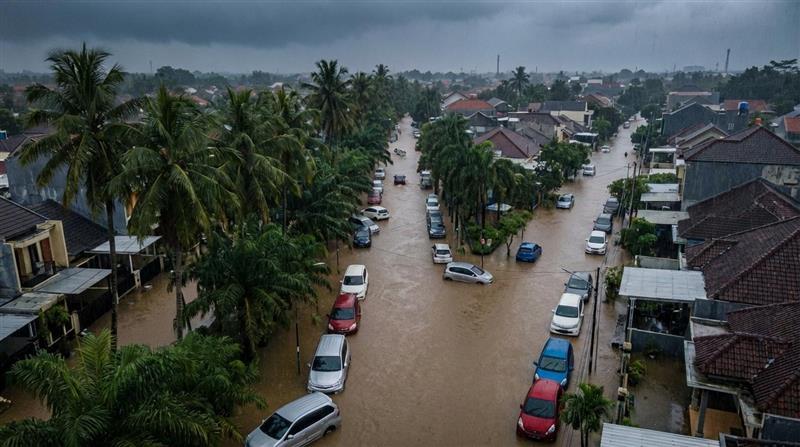
The rainy season in Indonesia always brings particular concerns for vehicle owners. Sudden water accumulation, upstream flooding, and extreme rainfall that floods basement parking areas can cause serious damage to your car. The question is, does Oona car insurance cover damage caused by floods? If so, how does it work and what does the claim process look like?
This article discusses the topic in detail so that you can understand the coverage, limitations, and steps that need to be taken when flood risks occur.
Why Is Flood Protection Important for Your Car?
As a tropical country with high rainfall, Indonesia faces flood risks almost every year. According to data from the National Disaster Management Agency (BNPB), there were 4,940 disaster events recorded across Indonesia in 2023, with floods accounting for 1,170 incidents, making them one of the most dominant hydrometeorological disasters that directly affect residential areas and vehicles.
Meanwhile, data from the Financial Services Authority (OJK) shows that general insurance penetration in Indonesia remains around 0.5%, far below neighboring countries such as Malaysia (1.1%) and Singapore. This means that many vehicle owners are still not financially protected when disasters such as floods occur.
In practice, many vehicles still do not have optimal protection against risks like flooding.
When a car becomes submerged in water, the damage does not only affect the exterior. Electrical systems, the ECU, engine components, transmission systems, and even the interior can be affected. Repair costs can reach tens of millions of rupiah, or even more if the damage results in a total loss.
This risk is no longer a small possibility but a reality that you need to anticipate.
What Will You Learn?
Whether Oona car insurance covers flood damage
How flood protection works in car insurance
The applicable terms and conditions
The steps to file a claim when your car is affected by flooding
Common mistakes to avoid
Does Oona Car Insurance Cover Flood Damage?
In general, flood risk falls under additional coverage in car insurance.
This means that protection against flood-related damage is usually not automatically included in the basic policy, unless you choose an additional coverage option that includes natural disaster or flood protection.
In Oona car insurance products, flood protection is available through specific optional coverage extensions. The details of the benefits and coverage will be explained transparently in your policy.
Therefore, it is important for you to:
Check the type of policy you selected (All Risk or Total Loss Only).
Confirm whether flood coverage has been added as an extension.
Understand the exclusions and limitations listed in the policy.
How Does Flood Protection Work?
Flood protection in car insurance typically covers:
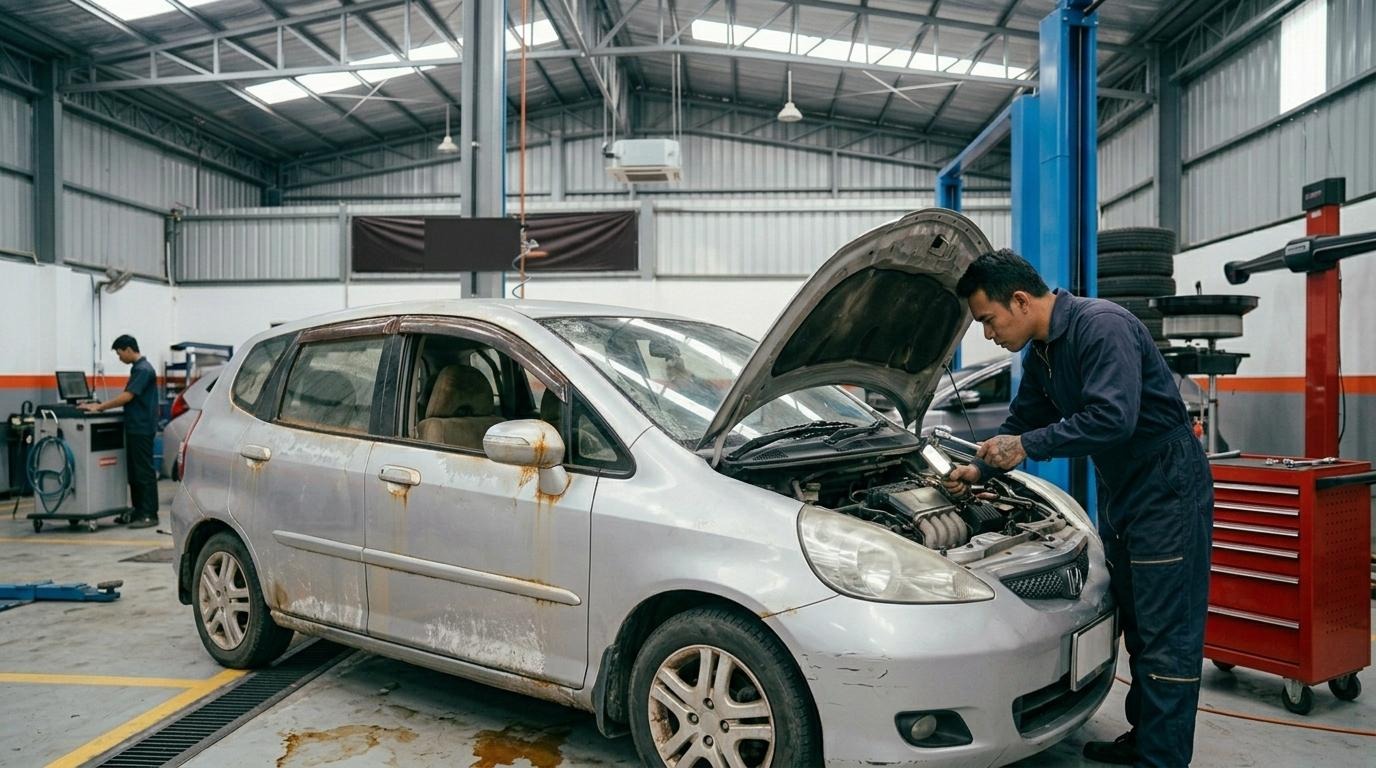
Engine damage caused by water submersion
Electrical system damage
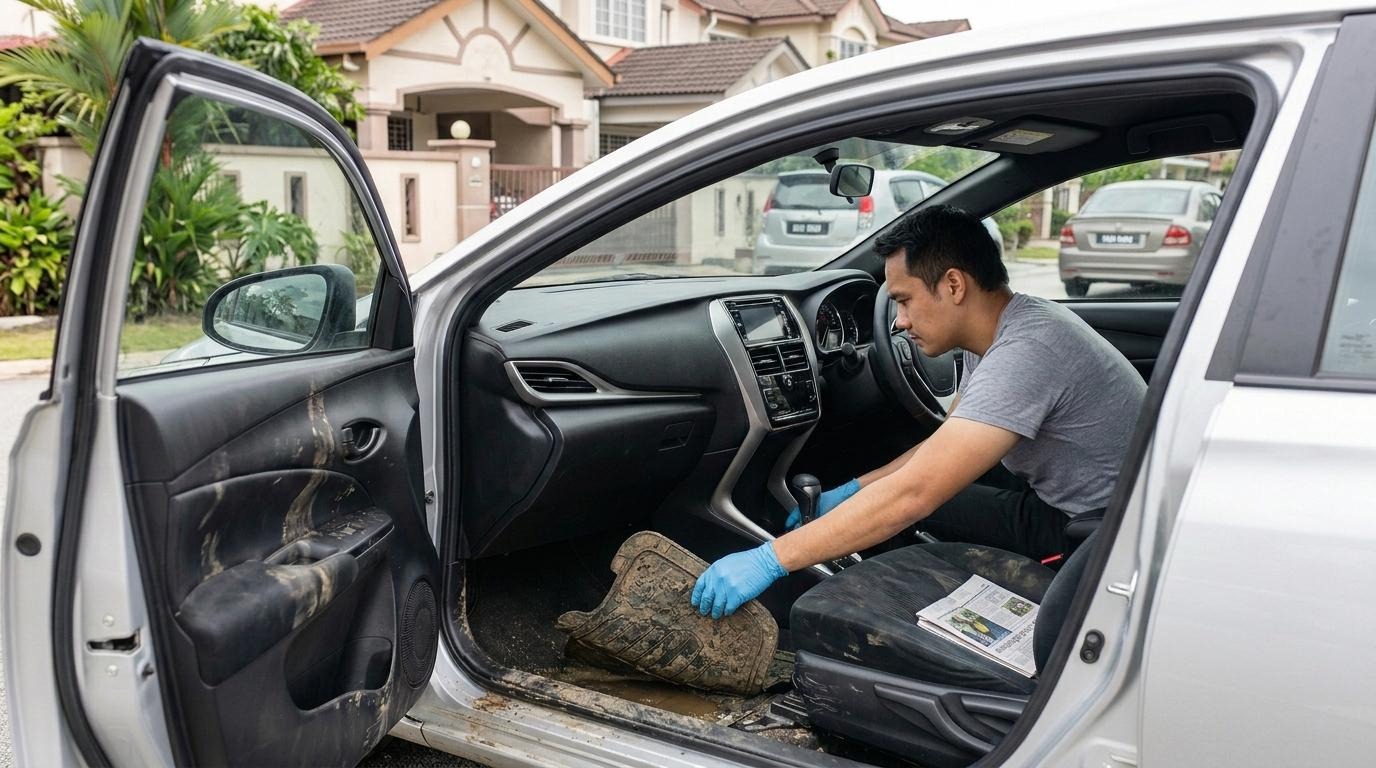
Interior damage caused by standing water
Towing costs if the vehicle can no longer be operated
However, several conditions may affect a claim, for example:
Intentionally driving through deep floodwaters
The car engine remaining on while submerged
Additional damage occurring due to negligence after the incident
Each policy contains specific terms and conditions that you should understand from the beginning.
All Risk vs Total Loss Only in the Context of Flood Damage
Policy Type
| Minor Flood Damage
| Major Damage
| Total Loss
|
|---|
All Risk
| Covered according to policy
| Covered
| Covered
|
TLO
| No
| No
| Covered if loss ≥75%
|
Disclaimer: This table provides a simplified comparison of how flood-related damage may be treated under different policy types. Actual coverage depends on the policy terms, including whether flood or natural disaster coverage has been added as an extension. Always review your policy wording and confirm the details with your insurance provider.
If your car only has Total Loss Only (TLO) coverage, flood-related damage will only be covered if the repair cost reaches at least 75% of the vehicle’s value.
What Is the Claim Process if Your Car Is Flooded?
When your car is submerged in floodwater, the decisions made during the first few hours can significantly affect the claim process. Small mistakes, such as starting the engine or reporting the incident too late, may affect the claim outcome.
To help you remain calm and systematic, here is a step-by-step guide you can follow.
Summary of the Flood Claim Process
Step
| What You Should Do
| Purpose
| Risk if Ignored
|
|---|
1
| Do not start the engine
| Prevent more severe engine damage
| Water hammer damage may not be covered
|
2
| Document the vehicle condition
| Provide initial evidence for the claim
| The claim process may become more difficult
|
3
| Report the incident to Oona
| Official claim registration
| Missing the reporting deadline
|
4
| Survey process
| Objective damage assessment
| Repair estimates may be inaccurate
|
5
| Repair at an Oona partner workshop
| Restore the vehicle according to standards
| Repairs may not follow policy procedures
|
Disclaimer: This table provides a general overview of the typical flood claim process for vehicle insurance. The actual procedures, assessment outcomes, and repair arrangements may vary depending on the vehicle’s condition, claim evaluation, and the specific terms and conditions of your insurance policy. Always refer to your policy details and confirm the claim process directly with your insurance provider.
1. Do Not Start the Engine
The first and most critical step is not to start the engine, even if the floodwater appears to have receded.
Why is this important?
Water entering the combustion chamber can cause a water hammer, a condition where the piston compresses water that cannot be compressed. The impact can be severe, ranging from bent connecting rods to complete engine failure.
If the engine is started after being submerged and the damage becomes worse, the situation may be considered additional negligence. Therefore, it is safer to:
2. Document the Damage Thoroughly
Before the vehicle is moved or cleaned, perform initial documentation.
Take photos and videos from several angles, including:
The water level relative to the vehicle body
Interior condition
Dashboard and instrument panel
Engine area (without starting the engine)
This documentation helps to:
Prove the chronology of the incident
Speed up the verification process
Avoid differences in interpretation during the inspection
Also keep additional information such as time of the incident, location, and weather conditions.
3. Report the Claim as Soon as Possible