globeimage

ENG

whitearrow

15 Mins read

Types of Car Insurance: Should You Choose TLO or All Risk?

Oona

Oona

An Indonesian woman looks happy and hugs her beloved car.

Protecting your vehicle with the right insurance helps safeguard its value and reduce unexpected repair costs. In Indonesia, the two main types of car insurance are Total Loss Only (TLO), which covers total loss or damage exceeding 75 percent of the vehicle's value, and All Risk (Comprehensive), which provides broader protection for both partial and major damage. Choosing the right policy depends on your budget, driving habits, and the level of protection you need.

What Types of Car Insurance Are Available in Indonesia?

In general, insurance companies in Indonesia offer two main categories of coverage for four wheel vehicles. Each provides a different level of protection, making it important to understand how they differ before deciding which one best suits your needs.
 

Car insurance provides financial protection by helping vehicle owners cover repair costs or financial losses resulting from risks covered under the policy. These risks may include traffic accidents, theft, fire, and certain types of vehicle damage. Protection against floods, riots, natural disasters, or third party liability is often available through optional coverage extensions. Since every insurance policy has its own terms and conditions, it is important to review TLO and All Risk coverage together with the policy conditions, exclusions, and available extensions.
 

In addition to these two primary types of protection, policyholders can usually purchase optional coverage extensions for risks such as floods, riots, and third party liability. These additional protections vary by insurer and policy, so it is advisable to confirm the available options when requesting a quotation.
 

Before comparing TLO and All Risk in detail, it helps to understand the decision you are actually making. Choosing between these two options is essentially deciding how much of the financial risk from minor vehicle damage you are willing to bear yourself versus how much protection you want your insurance policy to provide.
 

There is no single answer that works for every vehicle owner. The right choice depends on your vehicle's condition, how you use it, your financial situation, and the level of risk you are comfortable assuming, rather than simply following the choice made by most people.
 

Once you understand that selecting car insurance is fundamentally about sharing risk, you can begin by exploring the type of protection that focuses on significant financial losses, namely Total Loss Only insurance.

An Indonesian man stands next to his car holding a cell phone.

Total Loss Only Car Insurance and What It Covers

Total Loss Only, commonly referred to as TLO, is a type of car insurance that generally provides coverage when a vehicle suffers damage reaching a specified percentage of its value, usually more than 75 percent as defined by the policy, or when the vehicle is lost due to theft.
 

In other words, minor damage such as scratches, small dents, or cosmetic body damage is generally not covered under a TLO policy. This type of insurance is better suited for vehicle owners who want protection against major financial losses while paying a lower premium than All Risk insurance.
 

However, simply understanding the definition of TLO is not enough. You should also review the conditions that qualify for a claim and identify which risks may require additional coverage.

TLO Coverage You Should Review

Total Loss Only insurance is designed to protect you against significant vehicle losses. However, the term total loss does not necessarily mean that the vehicle must be completely destroyed. Claim assessments are based on the extent of the damage, the cause of the incident, and the terms stated in your insurance policy.


The following are some key areas you should review before choosing TLO coverage:

Coverage

When Coverage May Apply

What You Should Check

Total Loss Resulting from an Accident

A claim may be submitted when the estimated repair cost reaches the total loss threshold specified in the policy. In most cases, this means damage exceeding 75 percent of the vehicle's value at the time of the claim.

Check how the insurer determines the vehicle's value and calculates the percentage of damage.

Vehicle Theft

TLO may provide compensation if the vehicle is stolen or unlawfully taken and is not recovered within the period specified in the policy.

Ensure that the incident report, police report, vehicle documents, and reporting procedures comply with policy requirements

Fire and Additional Risks

Fire may be included in the standard coverage depending on the policy. Risks such as floods, earthquakes, and riots are often available only through optional coverage extensions.

Additional coverage may require an extra premium and may have its own limits and exclusions


Disclaimer:
The information above serves as general guidance. Coverage features, claim procedures, and policy terms may differ depending on the insurer and the policy you purchase. Always verify the details directly with your insurance provider.


TLO is often considered suitable for older vehicles or cars whose market value has significantly decreased since purchase. In these situations, owners may feel comfortable paying for minor repairs themselves while relying on insurance to protect against major financial losses.


Vehicle usage should also be considered. A car used only on weekends, kept as a spare vehicle, or driven infrequently in heavy traffic may face a different level of daily risk compared with a vehicle used every day. However, usage frequency is only one factor. Where the vehicle is parked, the surrounding environment, its current market value, and your ability to pay for repairs should also be taken into account.


TLO does not mean your vehicle lacks meaningful protection. Instead, it focuses specifically on major financial losses, such as theft or damage severe enough to meet the policy's definition of a total loss. Because its coverage is narrower than policies that cover partial damage, TLO premiums are generally lower.


For many vehicle owners, the combination of affordable premiums and protection against significant financial losses can provide a practical balance. However, this option is most appropriate if you are prepared to pay for scratches, dents, and other minor repairs yourself.


To understand the differences more thoroughly, you can read our guide on the differences between TLO and other types of coverage.


If you need coverage that also covers partial damage, the next option to understand is All Risk. The difference lies not only in the premium, but also in the extent of the risk transferred to the insurance provider.

All Risk Car Insurance and What It Covers

All Risk, also known as Comprehensive Car Insurance, provides much broader protection than TLO. It generally covers a wide range of vehicle damage, from minor scratches and dents caused by small accidents to severe damage and total loss due to theft, subject to the terms and conditions of the policy.


Because it offers broader coverage, All Risk insurance generally comes with higher premiums than TLO. This type of protection is often considered suitable for new vehicles, cars driven daily in heavy traffic, or vehicles that are still under financing if the financing agreement requires a particular type of coverage.


It's important to remember that the term "All Risk" doesn't necessarily mean all risks are covered. The Financial Services Authority (OJK) defines all-risk insurance as coverage that covers a wide range of risks, except for those explicitly excluded. Therefore, it's still important to thoroughly read the policy terms before making a decision. For a more detailed overview, you can read the definition of All Risk insurance, which specifically discusses this coverage.


The term All Risk often creates the impression that every incident is covered automatically. To avoid misunderstandings, it is important to understand which risks are generally included under the standard policy and which depend on optional coverage or specific policy terms.

Risks Commonly Covered Under an All Risk Policy

Standard All Risk coverage generally includes damage resulting from collisions, impacts, skidding, theft, and fire. Damage caused by vandalism, natural disasters, or liability to third parties may depend on the terms of the policy and any optional coverage extensions selected.


Broader protection can help reduce the financial burden of unexpected repair costs and keep your vehicle on the road after an incident. However, these benefits should be considered alongside the premium, deductible, coverage limit, authorized repair network, and applicable exclusions.


The differences in coverage become even more meaningful when viewed in the context of real driving risks and actual insurance claim trends in Indonesia.

Insurance Claim Statistics That Help Illustrate Vehicle Risks

Driving risks are not merely a possibility. According to traffic accident data from the Indonesian National Police Traffic Corps (Korlantas Polri), more than 152 thousand traffic accidents were recorded across Indonesia in 2023. This figure highlights the significant level of risk on the road, but it does not mean that every vehicle owner needs the same type of insurance coverage. The right protection should be tailored to your vehicle's value, how you use it, your financial situation, and the risks you want to transfer. 


A broader perspective can be found in the 2023 Indonesian Insurance Statistics published by the Financial Services Authority (OJK). The publication places vehicle insurance within the context of the overall development of Indonesia's insurance industry. In terms of claims, the Indonesian General Insurance Association (AAUI) reported in its General Insurance and Reinsurance Industry Report for the first quarter of 2024 that general insurance claim payments reached IDR 11.3 trillion. This represented an increase of 14.5 percent compared to the same period in the previous year.


Specifically for motor vehicles, AAUI's 2022 General Insurance and Reinsurance Industry Report recorded motor vehicle insurance claim payments of IDR 6.499 trillion, an increase of 10.2 percent compared to the previous year. These figures demonstrate the overall scale of potential financial losses. For individual vehicle owners, however, the key consideration is more practical, namely how often minor or major damage could disrupt your mobility and finances.


All Risk insurance also provides something that is difficult to measure in numbers, which is greater peace of mind in your daily life. If you rely on your car every day for commuting, taking your family around, or driving in busy areas, minor damage such as scratches while parking or dents caused by minor traffic accidents is far more likely to occur than a total loss. In these situations, knowing that most types of damage may be covered, subject to the terms and conditions of your policy, can reduce the stress of deciding what to do whenever a minor incident occurs.


On the other hand, broader coverage also means you have greater responsibility as a policyholder to understand the applicable exclusions. Damage resulting from unreported vehicle modifications, using the vehicle for purposes outside the agreed use, or gross negligence is generally not covered, even under an All Risk policy. For this reason, reading your policy is not simply a formality. It is an important step that can directly affect your experience when filing a claim in the future.

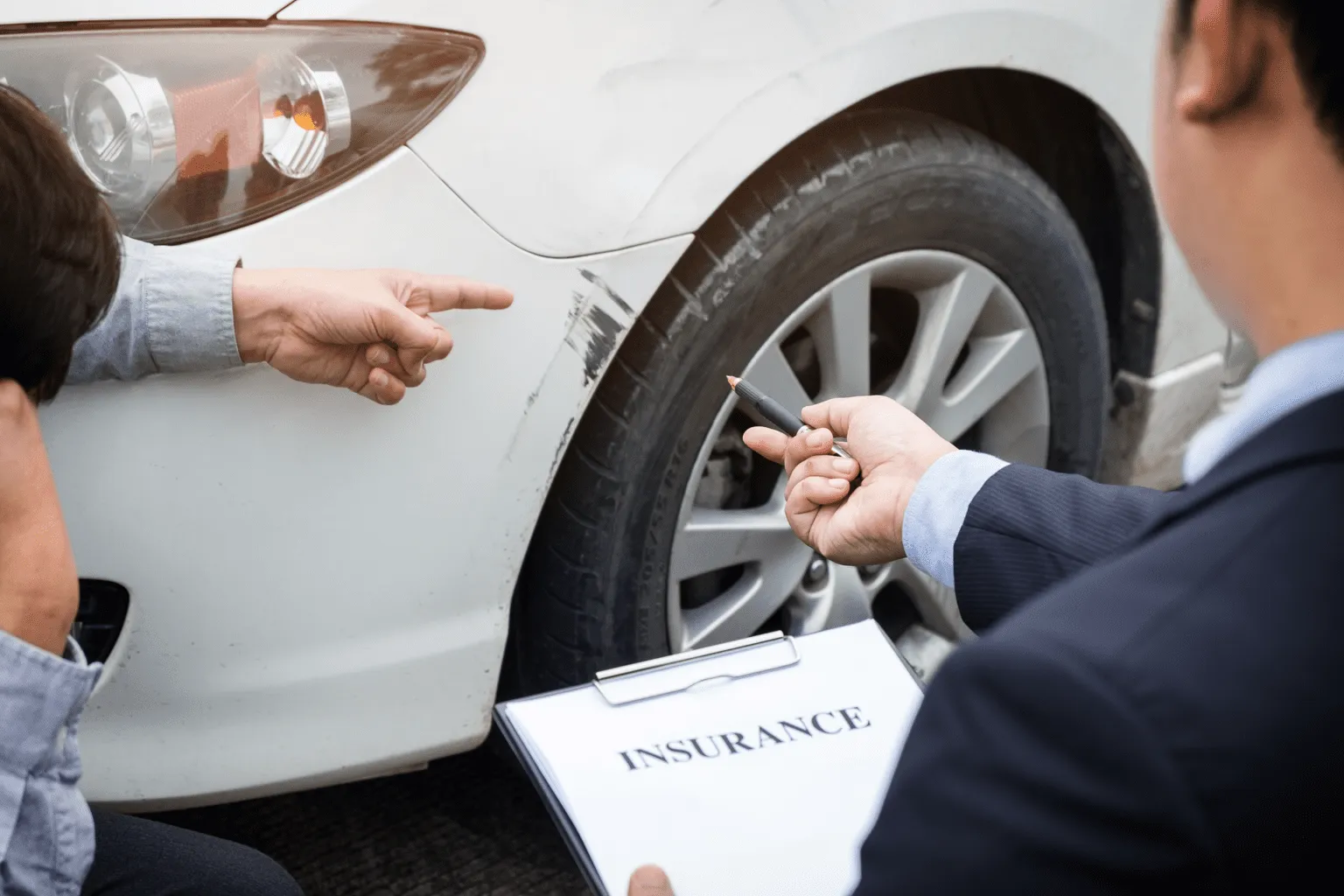
A white car was seen to have scratches or abrasions on the front fender, right near the wheel

After understanding how each type of protection works, it is helpful to compare them side by side so you can more easily identify which option best suits your vehicle's needs.

TLO vs. All Risk at a Glance

The table below summarizes the key differences between these two types of car insurance for easier comparison.

Aspect

TLO

All Risk

Coverage

Total loss or theft, subject to the policy terms and conditions

Partial damage up to total loss, subject to the policy terms and conditions

Premium

Generally lower

Generally higher

Best Suite for

Owners who are willing to pay for minor repairs themselves or vehicles with limited use

High value vehicles or vehicles used daily with greater exposure to risk

Minor Damage Claims

Generally not covered

May be covered if the cause of loss is covered and all policy requirements are met

Financed Vehicles

May not meet the financing company's insurance requirements

May be selected or required depending on the financing agreement

Claim Frequency

Claims are generally submitted less often

Claims for minor damage may be submitted more frequently


Disclaimer:
Coverage details, exclusions, and claim requirements may vary depending on the policy you choose. Always review the full policy terms and confirm the details before making a decision.


For additional guidance, you may also want to learn more about the differences between All Risk and TLO car insurance before comparing policies from different insurance providers.

Couple compares car insurance documents at home.

Comparing coverage helps you choose the type of protection that best suits your needs. However, the true value of a policy becomes clear when an incident occurs, which is why it is equally important to understand the claims process from the beginning.

What Happens When You File a Car Insurance Claim

The claims process for TLO and All Risk car insurance generally follows the same steps. The main difference lies in the type and extent of damage that is covered under the policy.
 

With TLO insurance, a claim can generally be processed when the vehicle damage meets the total loss threshold specified in the policy. Coverage may also apply if the vehicle is stolen and is not recovered within the period stated in the policy. In contrast, All Risk insurance may cover both minor and major damage, provided the cause of the loss is covered under the policy and no exclusions apply.
 

The table below provides an overview of the typical claims process:

Claim Stage

What You Need to Do

What to Keep in Mind

1. Report the Incident

Contact your insurance provider as soon as possible after an accident, damage, or theft occurs. Provide the time, location, and a brief description of the incident. 

Every policy may have a reporting deadline. Delayed reporting could affect the claim verification process.

2. Prepare Supporting Documents

Complete the claim form and provide a written description of the incident, photos of the damage from multiple angles, your identification, driver's license, vehicle registration certificate, and any other required documents. 

A police report may be required for vehicle theft, certain accidents, or incidents involving third parties.

3. Vehicle Inspection and Verification

Allow the insurance surveyor to inspect the vehicle and verify that the damage matches the information provided in your claim. 

Do not repair the vehicle before receiving approval from your insurance provider unless instructed otherwise.

4. Claim Assessment

The insurance provider will evaluate the cause of the incident, the extent of the damage, the completeness of your documents, and whether the claim complies with the policy terms. 

For TLO, the damage must meet the total loss criteria specified in the policy. For All Risk, both minor and major damage may be assessed, subject to the policy limits and exclusions.

5. Claim Approval and Settlement 

If your claim is approved, your vehicle may be scheduled for repairs at an authorized repair workshop or settled through another method, depending on the type of claim. 

Check whether you are responsible for any deductible, out of pocket costs, or additional documentation before the process continues.


Disclaimer:
The information above is intended as a general reference. Claim procedures, processing times, and available features may vary depending on the insurer and the policy you purchase. Always confirm the specific requirements with your insurance provider.


Understanding these steps in advance can help reduce confusion, especially if you are filing a vehicle insurance claim for the first time. It also allows you to prepare the necessary documents early and avoid actions that could delay the process, such as repairing your vehicle before receiving approval from your insurer.


Another important point that is often overlooked is ensuring consistency between your account of the incident and the supporting evidence. Differences in details such as the time, location, direction of impact, or sequence of events may require additional clarification during the verification process. To help your claim proceed more smoothly, provide a clear, honest, and consistent description of the incident from your initial report onward.


In addition to these general guidelines, you may wish to review your insurer's claim procedures, claims submission process, and network of authorized repair workshops before an incident occurs. Familiarizing yourself with these resources in advance and preparing the necessary supporting documents can make the claims process easier to navigate if you ever experience an accident, vehicle damage, or theft.

Preparing Your Documents Before Filing a Claim

Preparing your documents in advance, even before an incident occurs, can save valuable time when you need to file a claim. The basic documents commonly required by insurance providers include a copy of your insurance policy, the policyholder's identification, your vehicle registration certificate, and a valid driver's license.


Additional documents may be required depending on the type of incident. Traffic accidents involving third parties may require a police report, while vehicle theft generally requires an official theft report issued by the local police. Keeping digital copies of these documents in an easily accessible location, such as a dedicated folder on your phone, can be helpful when you need to act quickly in an unexpected situation.


In addition to official documents, visual records can also serve as valuable supporting evidence. Taking photos of your vehicle regularly, particularly before and after long trips, can help establish its condition prior to an incident if verification is needed. This simple habit can also make it easier to prepare supporting information during the claim verification process.


Beyond administrative preparation, having a clear understanding of your policy coverage also plays an important role in your claims experience. Some assumptions that may seem reasonable can lead to expectations that do not align with the actual terms of your policy.

Common Misconceptions About TLO and All Risk Insurance

Many vehicle owners assume that TLO insurance has little value because it does not cover minor damage. In reality, TLO provides important protection against major financial losses that can be far more expensive to bear on your own, such as the total loss of your vehicle due to theft.


On the other hand, some people believe that All Risk insurance covers every type of damage without exception. In practice, every policy includes certain limitations and exclusions. For example, damage resulting from gross negligence or using the vehicle outside the agreed purpose is generally not covered. Reading your policy carefully rather than relying on common assumptions remains an essential step before making a decision.


Another common misconception is that paying a higher premium automatically results in a faster or easier claims process. In reality, the success of a claim depends much more on the completeness of your documents, the accuracy of your description of the incident, and whether the loss falls within the policy coverage than on the premium amount itself.


Some vehicle owners also mistakenly believe that their coverage cannot be changed once the policy is active. However, many insurance providers allow policyholders to review and adjust their coverage at renewal, giving you the flexibility to adapt your protection as your needs change over time.


Once you have separated the facts from common misconceptions, the next step is to evaluate your options based on your vehicle, your financial situation, and your personal risk tolerance rather than simply choosing based on the product name..

Factors to Consider Before Choosing

Choosing between TLO and All Risk car insurance involves more than comparing premiums. You should also consider your vehicle's value, how you use it, your financial situation, and how much risk you are willing to retain.

Consideration

When All Risk May Be More Suitable

When TLO May Be Worth Considerating

Vehicle Age and Value

The vehicle is relatively new or has a high market value, making even partial repairs potentially expensive. 

The vehicle is older or has depreciated significantly, and you are willing to pay for minor repairs yourself.

Usage Pattern

The vehicle is driven daily, frequently travels through heavy traffic, or has greater exposure to minor collisions and damage.

The vehicle is used occasionally, serves as a secondary vehicle, or has relatively low daily exposure to risk.

Premium Budget

You are comfortable paying a higher premium for broader protection.

You prefer lower premiums and have set aside funds to cover minor repairs yourself.

Vehicle Financing

Your financing company requires a certain level of insurance coverage during the loan period.

TLO is permitted under the financing agreement, or the vehicle loan has already been fully repaid.

Risk Tolerance

You prefer paying a higher premium to reduce the possibility of unexpected repair expenses.

You prefer lower premiums and are comfortable using emergency savings for damage that does not qualify under TLO coverage.

Parking Location and Surroundings

The vehicle is frequently parked outdoors, on the roadside, or in locations with a higher risk of scratches or collisions.

The vehicle is usually kept in a secure garage or relatively safe location, although the risk of theft and major accidents should still be considered


Disclaimer:
The information in this table is intended as a general reference. Coverage, policy features, and claim requirements may vary depending on the insurer and the policy you choose. Always verify the details directly with your insurance provider.


The age and value of your vehicle are often the starting point when choosing the right coverage. For newer vehicles, even damage that appears minor can result in significant repair costs, especially if body panels, lighting systems, sensors, or electronic components are involved. In these situations, All Risk coverage can help reduce unexpected repair expenses, provided the damage is covered under the policy.


By contrast, TLO may be a more practical option when the vehicle has depreciated and you are comfortable paying for minor repairs yourself. This choice is not simply about paying a lower premium. Rather, it reflects a decision to focus your insurance protection on major financial losses.


Your driving habits are another important consideration. A vehicle used every day in heavy traffic faces different risks from one that is driven only occasionally. However, usage frequency should not be considered in isolation. Road conditions, travel distance, where the vehicle is stored, and the surrounding environment all influence the level of protection you may need.


Another factor that is often overlooked is your tolerance for financial uncertainty. Some people prefer paying higher premiums to reduce the likelihood of unexpected repair bills, while others are comfortable paying lower premiums and maintaining a dedicated emergency fund for vehicle repairs. Either approach can be a sensible risk management strategy as long as it aligns with your financial circumstances.


If your vehicle is still under a financing agreement, review the terms of your loan carefully. The required level of insurance coverage may be specified as part of the financing conditions and may not be freely changed until the loan has been repaid.

An Indonesian man is reading a car insurance policy in front of a computer screen.

To support your decision further, you may also wish to explore other factors to consider when choosing car insurance. Every vehicle owner has different priorities, so the most suitable option will depend on individual circumstances. The following examples illustrate several common scenarios that may closely match your own situation.

Common Ownership Scenarios and Key Considerations

Every vehicle owner has different insurance needs. The following scenarios may help you identify which factors are most relevant to your situation. However, your final decision should always be based on your policy terms, budget, and personal risk tolerance.
 

  • A new vehicle used every day
    A vehicle that is driven daily for work or regular commuting in busy traffic is more likely to experience scratches, minor collisions, and parking related damage. In this situation, All Risk insurance may be worth considering because it can provide coverage for partial damage, provided the cause of the loss is covered under the policy.

  • A second vehicle used occasionally
    A vehicle that is only driven on weekends or for occasional trips generally has lower day to day exposure to risk. TLO may be a more cost effective option if you want protection against major financial losses while being prepared to pay for minor repairs yourself.

  • A vehicle still under financing
    Your insurance options may be influenced by the requirements of your financing company. Be sure to review the type of coverage required, the scope of protection, policy exclusions, deductibles, and any other obligations stated in both the insurance policy and your financing agreement.

  • A vehicle that has been fully paid off
    Once your vehicle loan has been repaid, you have the opportunity to reassess your insurance needs. Consider whether All Risk coverage still offers good value based on your vehicle's current market value, how often you use it, the premium cost, and your willingness to pay for partial repairs yourself.

  • A business Vehicle or Small Fleet
    Commercial vehicles often have different driving patterns, routes, drivers, and levels of risk. As a result, each vehicle should ideally be evaluated individually rather than automatically applying the same type of coverage across the entire fleet. Vehicles with higher daily usage may require different protection from those used only occasionally.
     

These scenarios are intended as general examples rather than fixed recommendations. Two vehicles of the same age may require different insurance coverage if they differ in usage patterns, parking locations, market value, or the owner's financial preparedness.
 

While these examples can help narrow down your options, your final decision should always be based on the terms of your insurance policy. Understanding which sections of the policy to review before making a decision is therefore essential.

A Guide to Reading Your Policy Before Making a Decision 

After understanding the general differences between TLO and All Risk insurance, take the time to read the policy document carefully. Information provided by an insurance agent, brochure, or quotation can offer a useful overview, but your rights, responsibilities, and coverage limits are ultimately governed by the written terms of the policy.

Pay particular attention to the following sections:

Policy Section

What to Review

Why It Matters

Coverage

The types of accidents, damage, theft, and other risks covered by the policy. 

Helps ensure the policy protects you against the risks you are most likely to face.

Exclusions

Situations that are not covered, including improper vehicle use or violations of policy conditions.

Many disputes between policyholders and insurers arise because exclusions were not fully understood from the beginning.

Optional Coverage Extensions

Additional protection for events such as floods, earthquakes, riots, or third party liability.

These risks may not be included in the standard policy and may require an additional premium.

Deductible

The amount you are required to pay out of pocket for each approved claim.

This affects how much you will still need to pay even if your claim is accepted.

Claims Procedure

Reporting deadlines, required documents, vehicle inspections, and the use of authorized repair workshops.

Missing a reporting deadline or failing to follow the required procedures could delay the claim process.

Sum Insured

How the vehicle's insured value is determined and how compensation is calculated in the event of theft or total loss.

The compensation amount is not necessarily the same as the vehicle's original purchase price.

Policy Period and Renewal

TThe policy's effective and expiration dates, as well as how premiums and vehicle values may be adjusted at renewal.

Helps prevent gaps in coverage and gives you an idea of future insurance costs.


Disclaimer:
The information in this table is intended as a general reference. Policy features, coverage, and claim procedures may vary depending on the insurer and the specific policy you purchase. Always verify the details directly with your insurance provider.


If you come across any terms or conditions that are unclear, ask for clarification before agreeing to the policy. Make sure the explanation refers to the relevant policy clause rather than relying solely on a verbal explanation.


When comparing quotes from different insurance providers, use the same vehicle information and ask the same questions for each insurer. Doing so allows you to compare coverage, exclusions, deductibles, optional coverage extensions, and premiums on a more consistent and meaningful basis.

An Indonesian man is driving a car carefully.


After understanding the key sections of your policy, you can use that information to make a more informed decision, from evaluating your vehicle to comparing insurance quotes.

How to Choose the Right Car Insurance for Your Vehicle

Once you understand the differences between TLO and All Risk insurance, the next step is to match your choice with your vehicle, driving habits, and financial situation. Do not compare premiums alone. Coverage, exclusions, deductibles, and optional coverage extensions should all be evaluated together.
 

Use the following steps to guide your decision:
 

  1. Evaluate your vehicle's current condition
    Consider your vehicle's age, market value, physical condition, and potential repair costs. Newer or higher value vehicles may incur significant repair expenses even for partial damage, while older vehicles may require a different insurance approach.

  2. Assess your driving habits and risk exposure
    Think about how often you use your vehicle, the traffic conditions you regularly encounter, where you park, and environmental risks such as flooding. A vehicle driven daily in busy urban areas faces different risks from one used only occasionally as a secondary car..

  3. Review any financing requirements
    If your vehicle is still under a financing agreement, check whether your financing company requires a specific type of insurance coverage. These requirements may limit your options until the loan has been fully repaid.

  4. Decide how much risk you are comfortable retaining
    Consider whether you would rather pay a higher premium for broader protection or choose a lower premium while setting aside savings to cover minor repair costs yourself.

  5. Compare quotes using the same information
    When requesting quotations from different insurance providers, use the same vehicle value, coverage type, location, usage details, and optional coverage extensions. This allows you to make a more meaningful comparison of premium differences.
     

Before contacting an insurance provider, prepare a list of specific questions. For example, you may want to ask about the damage threshold for TLO claims, the main exclusions under All Risk coverage, the applicable deductible, available optional coverage extensions, and how the insured value is adjusted when the policy is renewed.
 

Car insurance premiums are generally influenced by factors such as the type of coverage, vehicle value, location, vehicle age, intended use, optional coverage extensions, and other underwriting considerations. Premium rates may also follow the applicable pricing guidelines issued by the Financial Services Authority. You may also wish to learn more about how car insurance premiums are calculated and how regional premium zones affect pricing.


Oona offers customizable car insurance options designed to suit different vehicle protection needs. You can request a premium estimate to compare the available coverage options. To prepare further, it is also helpful to review the car insurance claims process and practical tips for choosing the right car insurance policy.
 

Before making your final decision, use the following checklist to ensure you have considered the most important factors when comparing policies.

Checklist Before Purchasing a Policy

  • Identify the types of losses you would not be comfortable paying for yourself.
     

  • Compare coverage, exclusions, premiums, deductibles, and policy limits.
     

  • Confirm that the insured value accurately reflects your vehicle's current market value.
     

  • Determine whether you need additional protection for floods, earthquakes, riots, or third party liability.
     

  • Ask about vehicle age restrictions and inspection requirements.
     

  • Check whether the insurer has authorized repair workshops in your city.
     

  • Understand the required claim documents and reporting deadlines.
     

  • Make sure your intended vehicle usage is accurately disclosed.
     

  • Store your policy, claim hotline, and vehicle documents in an easily accessible place.
     

  • Avoid choosing a policy solely because it offers the lowest premium.
     

This checklist helps you evaluate the essential elements of your insurance coverage. However, certain risks associated with your location or driving habits may still require optional coverage extensions.

Optional Coverage Extensions Commonly Considered by Vehicle Owners

In addition to choosing between TLO and All Risk insurance, you may wish to consider optional coverage extensions based on the risks your vehicle actually faces. These extensions typically increase your premium, so their value should be assessed according to your location, driving habits, and surrounding environment.

Optional Coverage Extension

When It May Be Worth Considering

What to Review

Flood Coverage

Your vehicle is regularly driven or parked in areas with a history of flooding or standing water.

Coverage limits, exclusions, deductibles, and actions that could invalidate a claim.

Earthquake and Certain Natural Disaster Coverage

Your vehicle is located in an area exposed to relevant natural disaster risks.

Which disasters are covered and whether indirect damage is also included.

Riot and Civil Disturbance Coverage

Your vehicle is frequently driven or parked in public areas where civil unrest may occur.

The policy definition of covered events and the applicable coverage limits.

Third Party Liability Coverage

You want financial protection if your vehicle causes damage to another person's property or injures someone else.

Liability limits, the types of losses covered, and any applicable exclusions.

Personal Accident Coverage for the Driver and Passengers

You want additional financial protection for the driver and passengers in the event of an accident.

The number of people covered, benefit limits, and situations that are excluded.


Disclaimer:
The information above is intended as a general reference. Coverage features, policy terms, and claims procedures may vary depending on the insurer and the policy you purchase. Always verify the details directly with your insurance provider.


Standard vehicle insurance generally focuses on losses affecting your own vehicle. For this reason, third party liability coverage may be worth considering if you want financial protection against damage your vehicle causes to another person's property or vehicle. Understanding the distinction between first party, second party, and third party insurance can also help you determine whether this additional coverage is appropriate for your needs.


Avoid adding every available coverage extension simply because it is offered. Instead, assess the risks associated with where you live, where you work, your usual travel routes, and where your vehicle is parked. Coverage that does not correspond to your actual risk exposure may increase your premium without providing meaningful value.


It is also advisable to review your coverage needs whenever your policy is renewed. Changes in your residence, driving habits, vehicle value, or how you use your vehicle may make certain optional coverages either more or less relevant over time.


Coverage requirements may also vary depending on your vehicle's technology. Electric vehicles, for example, have unique components and risks that may require additional consideration beyond those of conventional vehicles.

Insurance Protection for Electric Vehicles

Electric vehicles can be insured under either a TLO or an All Risk policy, but the coverage considerations may differ from those for conventional internal combustion engine vehicles. The battery, electronic systems, charging equipment, parts availability, and the expertise of repair workshops are all important factors to review before purchasing a policy.


Electric vehicle owners should confirm whether the policy covers battery damage, electrical short circuits, flood related damage, damage caused by improper charging, and high voltage components, or whether these are subject to exclusions. It is also important to ensure that the insurer's authorized repair workshops have the necessary expertise and equipment to service electric vehicles. If you own an EV, you may also wish to explore insurance options specifically designed for electric vehicles.


Regardless of the type of vehicle you own, your insurance needs are not static. Changes in your vehicle's value, driving habits, and surrounding environment may mean that a policy that once suited your needs should be reviewed over time.

When to Review Your Insurance Coverage 

The policy that best suits your needs today may not remain the right choice when it is time to renew. Your vehicle's value may change, your driving habits may increase or decrease, you may move to a different location, or your financial circumstances may evolve. Reviewing your policy before it expires helps ensure that your coverage is renewed based on your current needs rather than simply carried over from the previous year.


Your insurance should also be reviewed after significant changes, such as paying off your vehicle loan, modifying the vehicle, changing its use from personal to commercial purposes, adding regular drivers, or relocating to an area with a different risk profile. In these situations, request written confirmation from your insurer regarding any changes to your premium, coverage, or claim requirements.


If you are switching from All Risk to TLO insurance, remember that partial damage will generally no longer be covered. Conversely, if you are upgrading from TLO to All Risk coverage, check whether a vehicle inspection is required and whether your vehicle's current condition meets the insurer's eligibility requirements. It is also advisable to compare quotations and review the policy documents carefully before making your decision.


Regularly reviewing your insurance coverage helps ensure that your protection continues to match your vehicle and your circumstances. Ultimately, the choice between TLO and All Risk comes down to one fundamental question: Which risks do you want to transfer to your insurer, and which costs are you prepared to bear yourself?

Choose Coverage That Matches Your Vehicle's Risk Profile

Safely driving with reliable protection from Oona Insurance.


The main difference between TLO and All Risk car insurance lies in the scope of protection they provide. TLO focuses on total loss or theft, subject to the terms and conditions of the policy, while All Risk may cover both partial damage and total loss, typically with a higher premium.
 

Choosing the right coverage requires considering your vehicle's value, how you use it, the risks in your environment, your ability to pay for repairs, financing requirements, optional coverage extensions, and the policy terms. The goal is not simply to choose the broadest or least expensive coverage, but to determine which risks you want to transfer to your insurer and which costs you are prepared to bear yourself if an incident occurs. 
 

Consider Oona Car Insurance as one of the options when comparing policies, and make sure you fully understand the coverage, deductibles, exclusions, and claims procedures before your policy takes effect.

Frequently Asked Questions

Is TLO suitable for a brand new vehicle?

Answer
TLO can be an option for a new vehicle if you understand its coverage limitations and are willing to pay for partial damage repairs yourself. Your decision should also take into account the vehicle's value, how it is used, your budget, and any financing requirements.
Questions
Is TLO suitable for a brand new vehicle?
Sequence Id
4
Tags

What is the main difference between TLO and All Risk insurance?

Answer
TLO generally covers vehicle theft and damage that meets the policy's definition of a total loss. All Risk, also known as comprehensive insurance, may cover both partial damage and total loss, subject to the policy terms and conditions. Both types of coverage include specific requirements, limits, exclusions, and deductibles.
Questions
What is the main difference between TLO and All Risk insurance?
Sequence Id
1
Tags

Does All Risk insurance cover flood damage?

Answer
Not necessarily. Flood damage often requires an optional coverage extension. Check whether flood protection is included in your policy and review the applicable coverage limits, deductibles, and exclusions.
Questions
Does All Risk insurance cover flood damage?
Sequence Id
5
Tags

Can I switch from TLO to All Risk during the policy period?

Answer
Whether you can change your coverage during the policy period depends on your insurer's policies, your vehicle's condition, and whether a vehicle inspection is required. Confirm the process and requirements with your insurer before making any changes.
Questions
Can I switch from TLO to All Risk during the policy period?
Sequence Id
6
Tags

Which is more affordable, TLO or All Risk?

Answer
TLO premiums are generally lower because the coverage is more limited. However, premiums are also influenced by factors such as the vehicle's value, location, age, intended use, optional coverage extensions, and other underwriting considerations. When comparing policies, make sure the level of coverage is equivalent.
Questions
Which is more affordable, TLO or All Risk?
Sequence Id
7
Tags

Can electric vehicles be insured under TLO or All Risk?

Answer
Yes. Electric vehicles can be insured under either TLO or All Risk, depending on the available insurance product and the underwriting assessment. EV owners should carefully review how the policy addresses battery coverage, electronic systems, charging equipment, flood damage, spare parts availability, and the insurer's authorized repair network.
Questions
Can electric vehicles be insured under TLO or All Risk?
Sequence Id
9
Tags

Does All Risk insurance really cover all risks?

Answer
No. Despite its name, All Risk insurance does not eliminate the exclusions stated in the policy. Certain risks may be excluded or require optional coverage extensions. Always review the exclusions section and confirm that the cause of the loss is covered under your policy.
Questions
Does All Risk insurance really cover all risks?
Sequence Id
2
Tags

Does TLO cover vehicle theft?

Answer
Yes. Vehicle theft may be covered under a TLO policy if the claim satisfies the applicable policy terms and conditions. The claims process generally requires a police report, vehicle documents, and verification by the insurance provider.
Questions
Does TLO cover vehicle theft?
Sequence Id
3
Tags

What documents are usually required when filing a claim?

Answer
The required documents depend on the type of incident and your policy terms. In general, insurers may request your insurance policy, proof of identity, vehicle registration certificate, driver's license, photographs of the damage, a written description of the incident, and a police report for certain situations such as vehicle theft or accidents involving third parties.
Questions
What documents are usually required when filing a claim?
Sequence Id
10
Tags

What is a deductible in car insurance?

Answer
A deductible is the portion of an approved claim that remains your responsibility to pay, as specified in your policy. The deductible may apply to each claim or follow different rules depending on the type of claim.
Questions
What is a deductible in car insurance?
Sequence Id
8
Tags

TLO or All Risk? Know the Difference Before Choosing

Get Free Quote