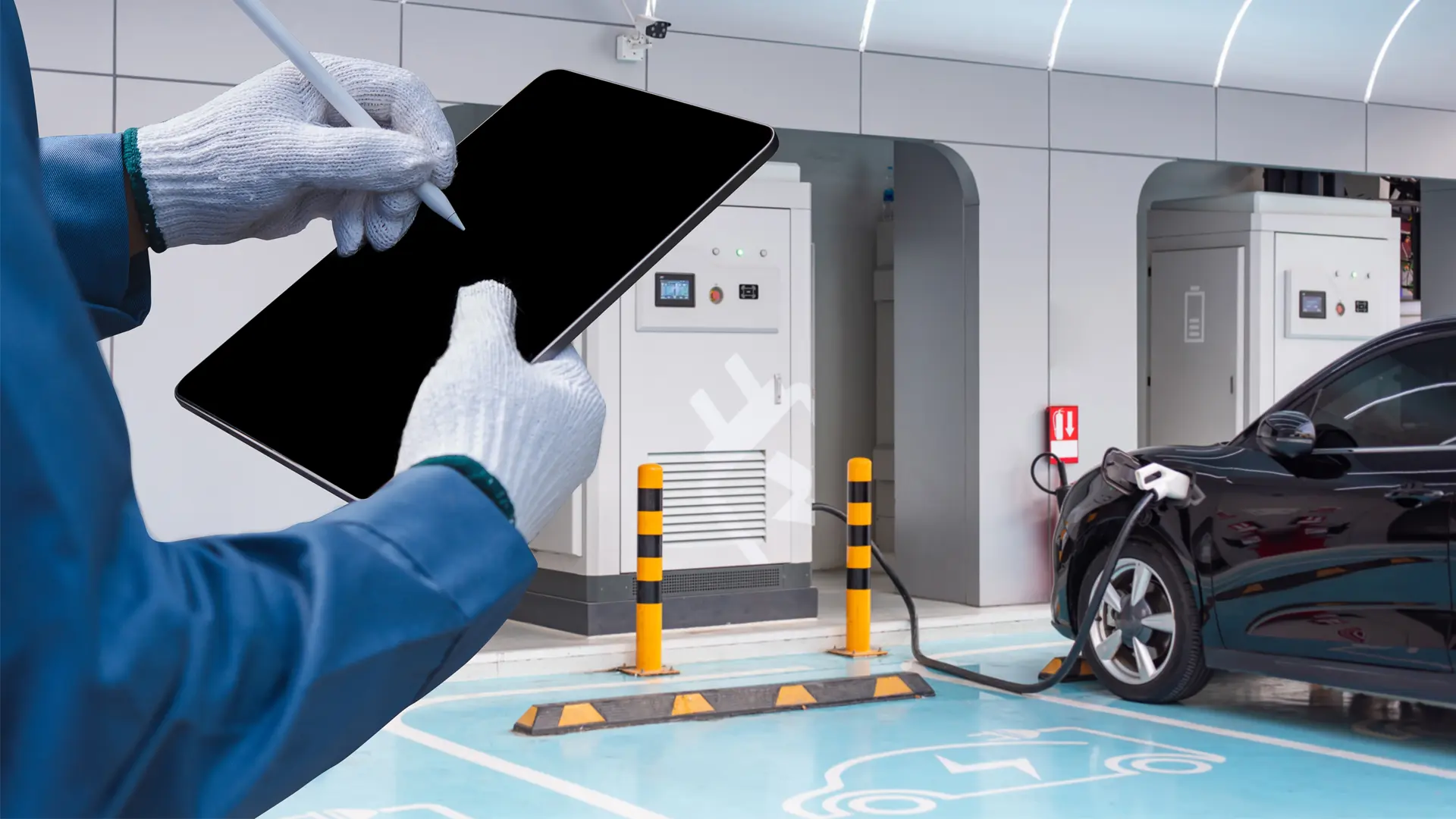
EV Damaged? Here's How to Claim Insurance Hassle-Free
Electric vehicles (EVs) come with advanced technology—from high-voltage batteries to integrated software. But when an accident or damage occurs, the insurance claims process can also be more complex than with conventional cars.
Moreover, some EV insurance policies have additional requirements regarding electronic components, batteries, and special evacuations.
To avoid claims being rejected or processed for a long time, this article discusses:
Common types of claims for electric cars
Documents & evidence required
Step by step claim procedure
Tips for fast claim approval
Before proceeding with the claim process, it's important to understand what types of incidents are typically covered by EV car insurance. This will help you understand whether your incident falls under coverage.
Documents & Evidence to Prepare
Before starting the claim process, prepare the following documents:
Insurance policy (active policy number)
vehicle registration certificate
driver's license
Photos of the damage from various angles
Police report (for major accident or theft claims)
Video or chronological evidence (if possible)
Additional documents for EV:
Tip: Save all documents digitally for easy attachment when claiming online.
Once all the documents are ready, it's time to understand the correct claims process so that the process runs smoothly without any back and forth or rejection from the insurance company.
Oona Electric Car Insurance Claim Procedure
Here are the general steps for filing a claim, especially if you use a provider like Oona:
1. Report the incident as soon as possible
Contact the call center or open the Oona claims page within a maximum of 3 x 24 hours after the incident.
2. Fill out the required documents
Complete the data and chronology. This can be done via Oona claims portal.
3. Upload Digital Evidence
Upload all photos, documents, and reports. Make sure the photos are sharp and clear.
4. Verification Process
The claims team will contact you for validation or survey if necessary.
5. Referral to Authorized EV Service Center
If the claim is approved, you will be directed to a partner workshop for EVs (with certified technicians).
6. Final Improvement and Evaluation
Once the repairs are complete, you will receive a final claim report and the vehicle can be retrieved.
Estimated claim time: 2–7 working days depending on the type of claim and completeness of the documents.
The above process can be done quickly—as long as all the documents are complete and you follow the procedures correctly. To help claims be approved without any obstacles, here are some practical tips that you can apply.
Tips for Quick Claim Approval
Tips
| Why It's Important
|
|---|
Photograph the damage in as much detail as possible.
| Assist the claims team in verifying quickly
|
Don't delay reporting
| Late reporting may be a reason for claim rejection.
|
Regular service at an authorized workshop
| The service history confirms that the damage was not due to negligence.
|
Save charging history
| If the claim is related to the battery, it can be used as evidence.
|
Disclaimer: The tips above are designed as a general guide to help streamline the electric car insurance claims process. However, claim outcomes depend on the terms and conditions of each policy and the insurer's evaluation. Always refer to your policy documents and consult directly with your insurance provider.
By following the tips above, your claim approval chances will be higher. For clarity, here are some common claim examples and how they typically play out.
Claim Case Example: EV Battery Claim Due to Flooding
To make it easier to understand, here's an illustration of the electric car insurance claim process when a battery short circuit occurs due to heavy rain. This case illustrates how a claim can be approved quickly if all requirements are met:
Steps
| Detail
|
|---|
Type of Damage
| Battery short circuit after heavy rain
|
Types of Coverage in the Policy
| Battery and flood coverage
|
Reporting Time
| Reported 12 hours after the incident via the app
|
Actions from the Insurance Party
| Site survey, referral to EV partner workshop
|
Completion Time
| 5 working days
|
Results
| Battery replaced, vehicle back in use
|
Claim Success Factors
| Quick reporting, complete evidence, police appropriate risk
|
Disclaimer: This process can vary depending on the insurance provider and the type of policy held.
From the case study above, it's clear that electric car insurance claims can be quick and hassle-free—as long as you understand the process and meet all the requirements. To conclude, let's summarize the key points to keep in mind.
Conclusion
The electric car insurance claim process is actually quite simple—as long as you know the procedure and have all the supporting documents. Don't underestimate EV components like the battery and software, as the potential losses can be substantial.
With the right policy and an efficient claims process, your electric vehicle will always be protected, from technical risks to unexpected events on the road.
Already have EV insurance from Oona? File an EV insurance claim or check Oona EV Insurance on the official website.