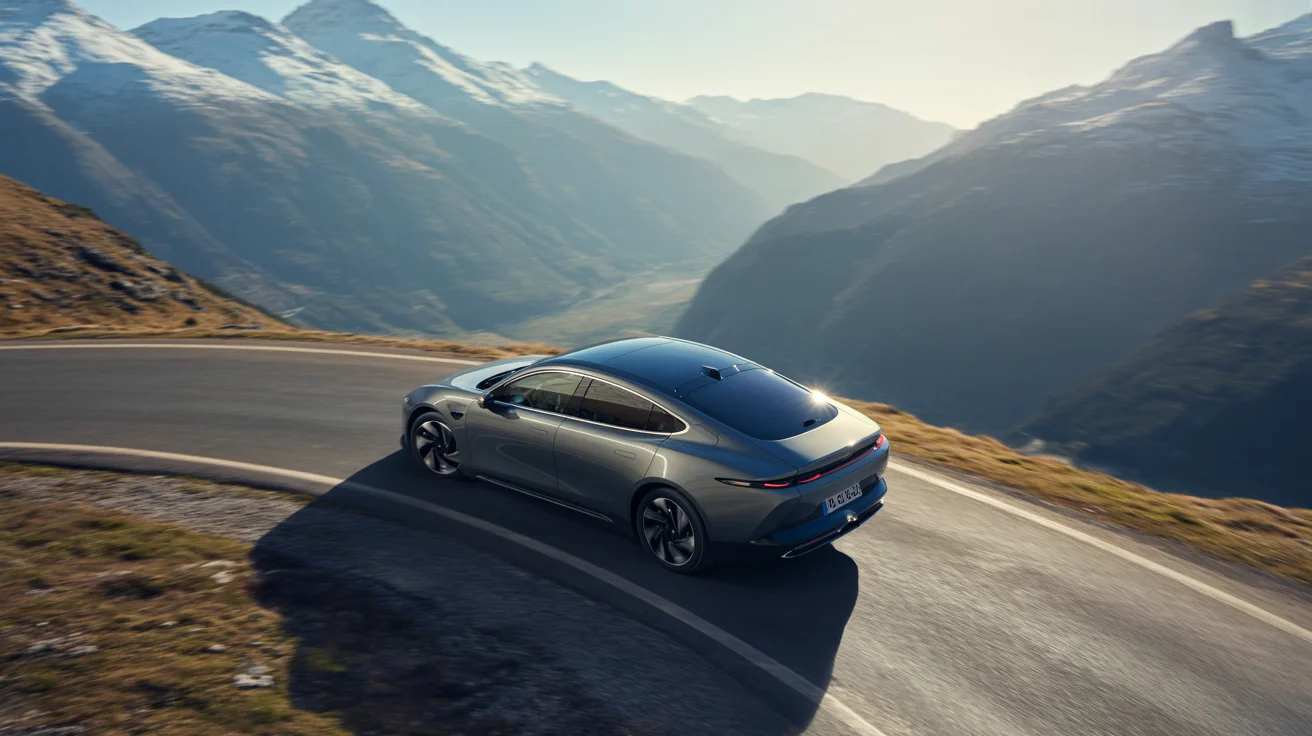
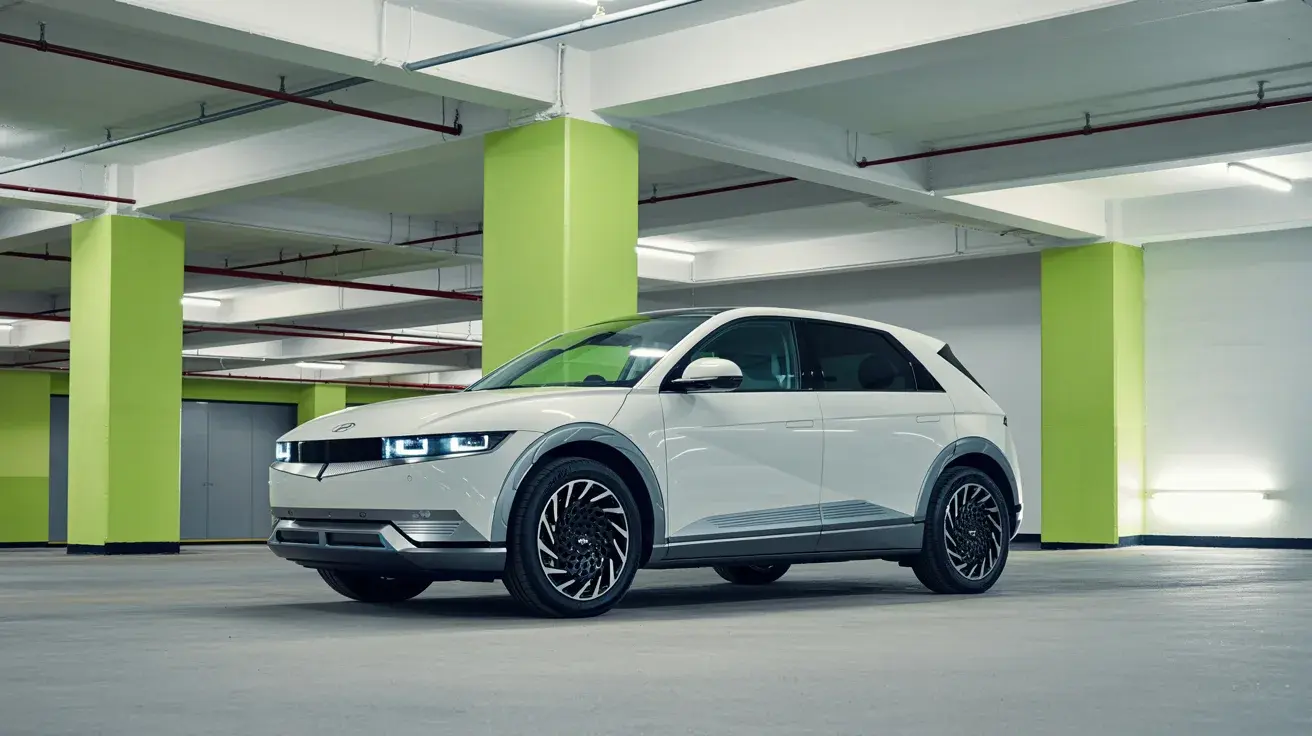
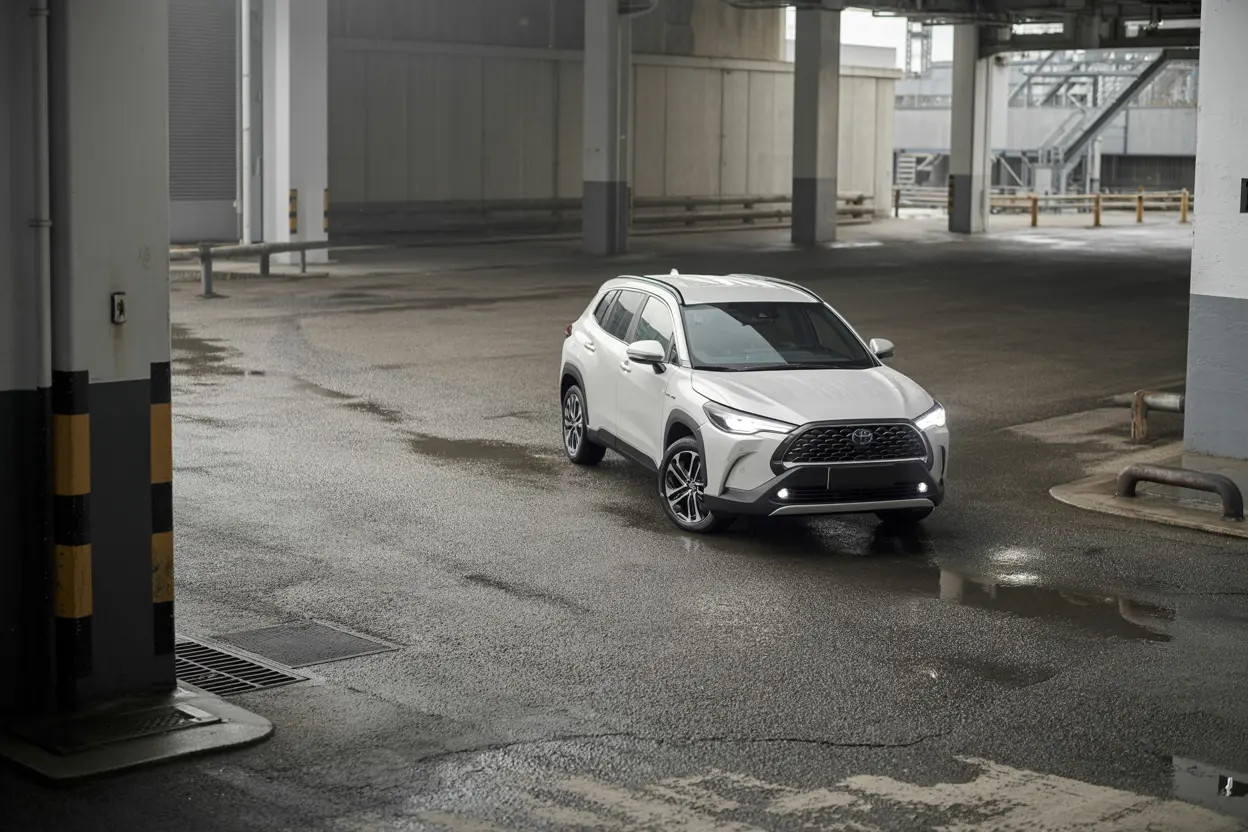
Hybrid cars use two main power sources:
The hybrid system operates automatically based on driving conditions. At low speeds or in traffic, the car may run using only the electric motor. When higher power is required or when the battery level drops, the gasoline engine activates. This shift between power sources is known as the hybrid power transition.
Hybrid technology also comes in several types, each working in a different way. Let us explore these variations one by one.
Types of Hybrid Cars
Hybrid cars come in several types, each defined by how the electrical system works and how much the vehicle relies on electric power alone. Below are the main types of hybrid cars commonly available in Indonesia.
Hybrid Type
| Brief Explanation
|
|---|
HEV (Hybrid Electric Vehicle)
| Cannot be charged from an external source. The battery is charged automatically through regenerative braking or when the gasoline engine is running. HEVs cannot operate in full electric mode for long distances.
|
PHEV (Plug-in Hybrid Electric Vehicle)
| Can be charged from an external power source and can run in pure electric mode for a certain distance before the gasoline engine activates. This type is more economical and flexible for short daily commutes.
|
MHEV (Mild Hybrid Electric Vehicle)
| Uses a small electric motor to assist the gasoline engine during start or light acceleration. Cannot run in pure electric mode. Usually found in more affordable vehicles.
|
Series Hybrid
| The gasoline engine does not drive the wheels. It functions as a generator that charges the battery or powers the electric motor. The wheels are driven entirely by the electric motor.
|
Disclaimer: Vehicle types and features may vary depending on market availability, manufacturer specifications, and model variants.
By combining electric and gasoline systems, hybrid cars provide improved fuel efficiency and lower emissions, although they are not as emission-free as pure electric vehicles. To make this clearer, below are examples of hybrid cars officially available in Indonesia.
Examples of Hybrid Cars Available in Indonesia
Hybrid cars have become a popular choice for drivers who want to save fuel without depending entirely on public charging stations. By combining a gasoline engine with an electric motor, hybrid vehicles are ideal for long-distance travel while still reducing emissions and overall fuel expenses. Below are several hybrid car models that are officially available in the Indonesian market.
Hybrid Car Model
| Estimated OTR Price (IDR)
| Hybrid Type
| Main Advantages
|
|---|
Toyota Corolla Cross Hybrid
| ± 600 to 650 million
| HEV
| High efficiency, compact SUV, suitable for families and daily use
|
Honda CR-V RS e:HEV
| ± 800 million
| HEV
| Responsive performance, spacious cabin, equipped with Honda’s latest e:HEV system
|
Mitsubishi Outlander PHEV
| ± 890 million to 1 billion
| PHEV
| Can drive in full electric mode for up to ± 55 km, ideal for city and intercity travel
|
Suzuki Ertiga Hybrid
| ± 280 to 300 million
| MHEV
| Affordable, mild hybrid system, fuel efficient for family MPV use
|
Toyota Camry Hybrid
| ± 900 million
| HEV
| Premium sedan with high comfort and strong efficiency
|
Lexus UX 250h
| Above 1 billion
| HEV
| Compact luxury SUV with advanced technology and smooth hybrid performance
|
Nissan Kicks e-POWER
| ± 500 million
| Series Hybrid
| Gasoline engine functions only as a generator, wheels are fully driven by the electric motor
|
Disclaimer: Prices, hybrid types, and specifications are estimates and may vary by model and region. The information above is for illustration and does not represent official purchasing recommendations.
Now that you are familiar with the available models, let us explore how each hybrid and electric power system works in real-world driving situations.
How EVs and Hybrid Cars Work
Understanding how hybrid and electric cars work is essential when comparing energy efficiency, operating costs, and long-term convenience. Although both rely on electrification technology, their power systems operate in very different ways. These differences influence how they generate power, how they are charged, and how they feel on the road.
How Electric Cars (EVs) Work
Electric vehicles are powered entirely by one or more electric motors that draw energy from high-capacity lithium-ion batteries. These batteries are recharged through public charging stations or home charging units.
Since EVs do not have combustion engines, traditional transmissions, or exhaust systems, they provide a very quiet and low-maintenance driving experience.
EVs also use regenerative braking, a system that converts the car’s kinetic energy into electrical energy when the vehicle slows down. This process helps recharge the battery while driving.
As a result, EVs produce no exhaust emissions and deliver instant, smooth torque from the moment you press the accelerator.
How Hybrid Cars Work
Hybrid cars use two power sources: a gasoline engine and an electric motor. How these two components work together depends on the type of hybrid system. Below is an explanation of each type.
HEV (Hybrid Electric Vehicle)
The electric motor assists at low speeds or during stop-and-go conditions.
The gasoline engine activates when more power is needed.
The battery cannot be charged from an external power source and is replenished automatically through regenerative braking or the gasoline engine.
PHEV (Plug-in Hybrid Electric Vehicle)
Can be charged from an external power source, similar to a pure EV.
Can operate in pure electric mode for approximately 40 to 60 km, depending on the model.
When the battery runs low, the gasoline engine activates.
The battery can be charged through a power outlet, regenerative braking, or the gasoline engine acting as a generator.
MHEV (Mild Hybrid Electric Vehicle)
Uses a small electric motor to support the gasoline engine during start-stop movements and light acceleration.
Cannot operate in full electric mode.
The small battery is charged solely through regenerative braking.
Commonly used in more affordable vehicles that aim to improve fuel efficiency without complex hybrid systems.
Series Hybrid
The gasoline engine does not drive the wheels.
The engine functions only as a generator that provides electricity for the electric motor.
The wheels are powered entirely by the electric motor, creating a driving sensation similar to a pure EV while still using fuel.
Comparison of How Electric and Hybrid Cars Work
The table below summarizes the key differences in how each vehicle type generates and delivers power.
Aspect
| Electric Vehicle (EV)
| HEV
| PHEV
| MHEV
| Series Hybrid
|
|---|
Primary Energy Source
| Battery and electric motor
| Gasoline engine and electric motor
| Gasoline engine and electric motor with external charging
| Main gasoline engine with small electric motor
| Gasoline engine as generator plus electric motor
|
Wheel Drive
| Electric motor only
| Gasoline engine and electric motor
| Electric motor and gasoline engine
| Gasoline engine with electric assist
| Electric motor only
|
Energy Charging
| External charging
| Regenerative braking and gasoline engine
| External charging, regenerative braking, and gasoline engine
| Regenerative braking only
| Gasoline engine and regenerative braking
|
Exhaust Gas Emissions
| Zero emissions
| Low emissions
| Very low when in EV mode
| Lower than regular gasoline cars
| Present while engine is active
|
EV-Only Driving Mode
| Fully electric
| Limited at low speeds
| Can drive 40 to 60 km in EV mode
| No EV-only mode
| Fully electric while in motion
|
Fuel Needs
| No fuel required
| Requires gasoline
| May operate without fuel for short EV-only distances
| Requires gasoline
| Requires gasoline
|
Engine Sound
| Very quiet
| Smooth engine operation
| Quiet in EV mode, louder when gasoline engine activates
| Similar to gasoline cars
| Quiet and similar to EVs
|
Torque and Acceleration
| Instant torque
| Smooth but less punchy than EVs
| Responsive in EV mode
| Similar to gasoline cars
| EV-like responsiveness
|
Disclaimer: This table provides general characteristics of each system. Actual performance may vary depending on model, brand, and technology.
Advantages and Disadvantages of Hybrid Cars vs Electric Cars
Choosing between a hybrid vehicle and an electric car depends on your lifestyle, driving patterns, and local infrastructure. Understanding the strengths and limitations of each option will help you select the vehicle that truly fits your needs.
Aspect
| Electric Car (EV)
| Hybrid Cars (HEV, PHEV, MHEV, Series Hybrid)
|
|---|
Emissions
| Zero emissions and no exhaust gases
| Emits less than regular gasoline engines but still produces emissions
|
Operating Costs
| Very economical due to low charging costs
| More economical than gasoline cars but still requires fuel
|
Maintenance
| Minimal, no oil changes or complex engine parts
| More complex because it uses two power systems
|
Performance
| Instant torque and highly responsive acceleration
| Flexible and smooth, especially with newer hybrid systems
|
Driving Comfort
| Very quiet and futuristic driving experience
| More traditional but newer systems offer smoother transitions
|
Government Incentives
| Often eligible for tax relief, free parking, and traffic rule exemptions
| Incentives available in some regions but more limited
|
Purchase Price
| Usually higher than gasoline and hybrid cars
| Often more affordable than EVs but may cost more than regular gasoline cars
|
Infrastructure Needs
| Requires charging stations, which are still developing across Indonesia
| Does not depend on charging stations, ideal for areas with limited electrical infrastructure
|
Charging Time
| Takes longer than refueling with gasoline
| No charging required for HEV and MHEV. PHEV requires charging for EV mode use
|
Disclaimer: This comparison reflects current market and technology conditions. Actual experience may vary depending on model, variant, and usage.
If you are still unsure which vehicle fits your needs, the next section will guide you through key factors to consider before making a decision.
Factors to Consider Before Choosing a Hybrid or Electric Car
Now that you understand the advantages and disadvantages of each type of car, it's time to look deeper: how it will (or won't) fit into your daily life.
Choosing between an electric and a hybrid car isn't just about technology, but also about lifestyle, driving habits, and access to infrastructure. Here are some important factors to consider before deciding.
1. Access to a Charging Station or Home Electricity
If you live in an area with convenient access to public charging stations or have a private garage where you can install a home charger, an electric car is a practical option. Charging at home is simple and efficient, especially overnight.
However, if you live in an apartment, a kost, or a neighborhood with limited electrical infrastructure, a hybrid car may be more suitable because it does not rely on external charging.
Tip: Check the availability of SPKLU charging stations in your area using the PLN Mobile app or Google Maps.
2. Daily Mileage and Driving Patterns
EVs are ideal for city driving, especially if your daily mileage is around 100 km or less. EVs are perfect for commuting, taking children to school, and running daily errands.
If you often travel long distances between cities or drive in areas without charging stations, hybrid cars (especially HEVs or PHEVs) offer longer driving ranges without the worry of running out of battery.
3. Initial Price and Monthly Operating Costs
Electric cars generally have a higher purchase price, but can be more economical in the long run thanks to lower charging and maintenance costs.
Meanwhile, hybrid cars tend to be more affordable initially, especially HEVs and MHEVs but still require regular fuel consumption and engine servicing. PHEVs offer flexible options, while series hybrids have the unique characteristic of being driven entirely by an electric motor, even though they still use gasoline as their energy source.
Cost Comparison Table
Car Type
| Initial Price Estimate (IDR)
| Monthly Operating Costs (IDR)
|
|---|
EV
| 250,000,000 to 2,000,000,000
| 250,000 to 500,000
|
HEV
| 280,000,000 to 1,000,000,000
| 600,000 to 900,000
|
PHEV
| 800,000,000 to 1,200,000,000
| 400,000 to 800,000
|
MHEV
| 250,000,000 to 600,000,000
| 700,000 to 1,000,000
|
Series Hybrid
| 500,000,000 to 1,000,000,000
| 500,000 to 800,000
|
Disclaimer: This operational cost simulation is illustrative only and may vary depending on distance traveled, location, and local fuel/electricity prices.
4. After-Sales Service and Maintenance
EVs: Require specialized workshops and certified technicians, especially for battery and electrical system maintenance. EV service centers are growing but not yet evenly available across Indonesia.
Hybrid cars: Generally easier to service because they still have gasoline engines that can be handled by most authorized workshops. However, their electrical components still require qualified technicians.
5. Environmental Concern
If reducing carbon emissions is your main priority, a pure electric vehicle is the most environmentally friendly choice because it produces zero exhaust emissions.
Hybrid vehicles are still a much greener alternative compared to conventional gasoline cars, especially if you choose an efficient HEV or PHEV.
6. Government Incentives & Regulations
The Indonesian government provides several incentives for electric and hybrid vehicle adoption, such as:
Lower vehicle tax in some regions
Free parking in selected cities (for example, DKI Jakarta)
Price subsidies for certain EV models
Disclaimer: Incentives are subject to change and vary by region. Check the latest policies with your local transportation agency or vehicle registration office.
There's no right or wrong choice; there's only the one that works best for you. If you live in a big city with easy charging, have regular daily use, and care about the environment, an EV is the way to go. But if flexibility and range are priorities, a hybrid (HEV or PHEV) might be the most realistic solution. By considering all of the above, you can make an informed and informed decision. But to be absolutely sure, let's summarize everything.
Conclusion
Both EVs and hybrid cars provide more efficient and environmentally friendly transportation than conventional gasoline-powered cars. The best choice depends on your lifestyle and daily driving conditions.
If you live in a major city, have access to public charging stations, or can install a home charger, and you want a fully emission-free driving experience, an electric car is a strong step toward a sustainable future. If you often travel long distances or live in an area where charging infrastructure is still limited, a hybrid car offers a practical, flexible, and fuel-efficient alternative.
Whatever you choose, make sure your vehicle is protected from unexpected risks on the road. Reliable protection keeps both hybrid and electric cars safe from accidents, damage, and unforeseen costs. Choose Oona Car Insurance that fits your needs so you can drive with confidence and peace of mind.