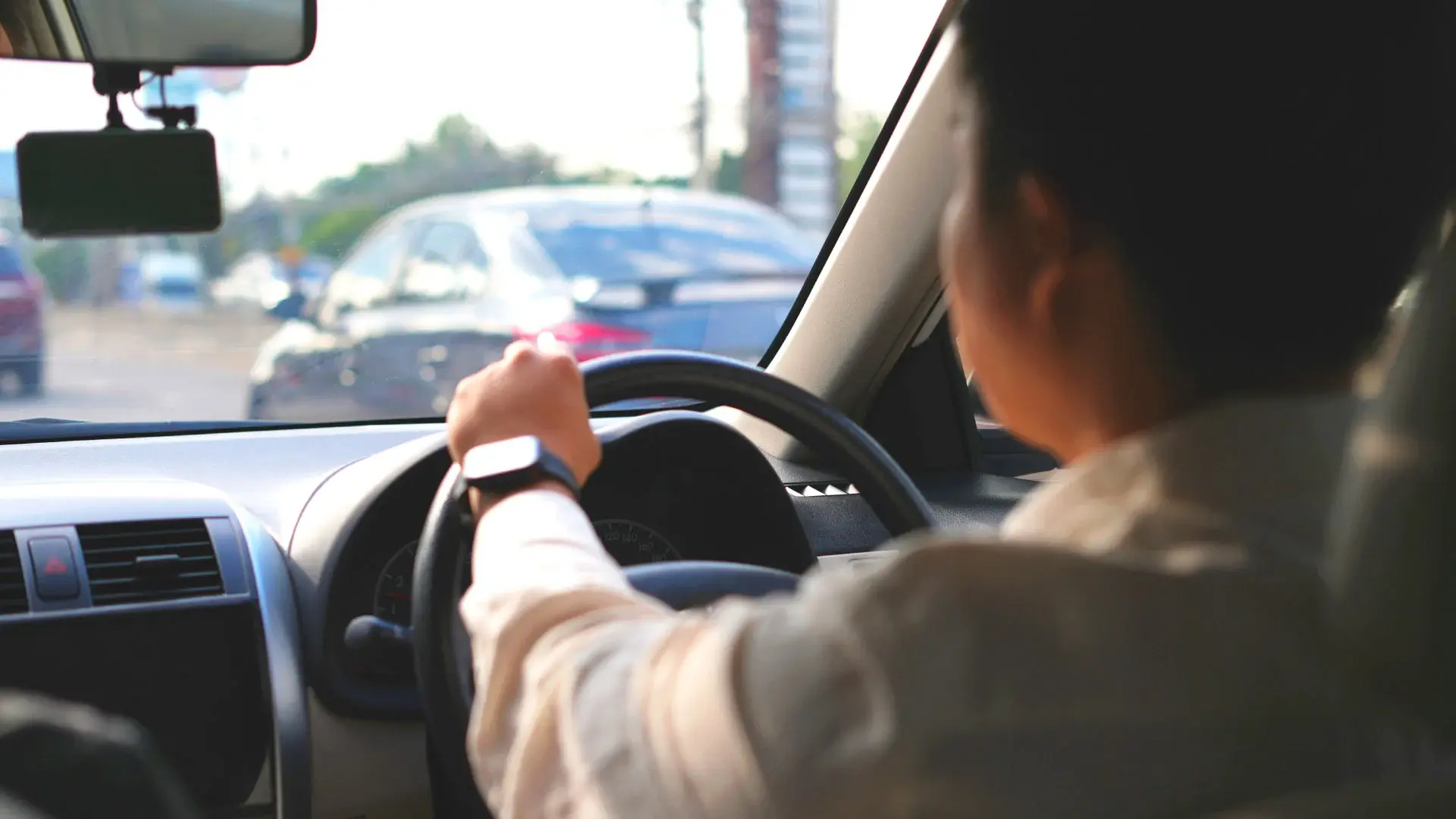
Why Is It Important To Master Safe Driving Techniques From The Start?
Driving is not just about controlling a vehicle, but also about understanding the surrounding conditions, anticipating risks, and protecting yourself and other road users. According to data from the Indonesian Central Statistics Agency (BPS) in the "Land Transportation Statistics 2023" report, there were more than 150,000 traffic accidents in Indonesia throughout 2023, and the majority were caused by human factors such as lack of skills and driver negligence.
By mastering the basic techniques of driving safely from the start, you can reduce the risk of accidents and maintain your own safety and that of others.
Let's start with the first tips that become an important foundation in driving: Understanding and obeying traffic signs.
1. Understand And Obey Traffic Signs
Traffic signs are not just picture boards, but important instructions for ensuring smooth traffic flow and safety on the highway. As a beginner, recognizing and obeying traffic signs must be a habit from the beginning.
Some signs are important to note:
Prohibition signs (for example: prohibited parking, prohibited from turning, etc.)
Command signs (for example: Mandatory straight, must turn right, etc.)
Warning signs (for example: bumpy roads, sharp turns, etc.)
According to reports from Indonesian National Police Traffic Corps Road Safety Annual Report 2022, violations of traffic signs accounted for about 30% of the total causes of traffic accidents in Indonesia.
After understanding the traffic signs, the next step to driving safely is to master the technique of keeping safe distances between vehicles.
2. Maintain A Safe Distance From The Vehicle In Front
Maintaining a safe distance when driving is very important to give you enough reaction time if the vehicle in front brakes suddenly. This is one of the basic safety techniques that must be practiced from the early stages of driving.
As a general guide, use the “3 Second Rule”:
Choose an object fixed on the side of the road, such as a pole or tree.
After the vehicle in front passes the object, start counting “one thousand one, one thousand two, one thousand three.”
If you pass the object before completing the third count, it means that your distance is too close and needs to be corrected.
The minimum distance of driving based on speed
In addition to using the time count method, you can also estimate safe distances based on the speed of your vehicle. The higher the speed, the farther the distance you need to react and stop the vehicle safely.
The following is a safe distance guide when driving:
Speed
| Minimum distance
| Safe distance
|
|---|
30 km/hour
| 15 meters
| 30 meters
|
40 km/hour
| 20 meters
| 40 meters
|
50 km/hour
| 25 meters
| 50 meters
|
60 km/hour
| 40 meters
| 60 meters
|
70 km/hour
| 50 meters
| 70 meters
|
80 km/hour
| 60 meters
| 80 meters
|
90 km/hour
| 70 meters
| 90 meters
|
100 km/hour
| 80 meters
| 100 meters
|
For example, when driving at a speed of 60 km/hour, you need at least 40 meters to react and 60 meters to stop safely.
According to the National Safety Council, keeping a safe distance from the vehicle in front is one effective way to reduce the risk of consecutive collisions, especially on solid roads.
In addition to keeping a safe distance, novice drivers also need to use the rear view mirror optimally to maintain situational awareness and avoid dangerous blind spots.
3. Use The Rear View Mirror Actively
Mirrors are not only for seeing the vehicles behind you, but also to monitor the conditions around you regularly. Many accidents occur because drivers pay too little attention to their blind spots.
Tips for using the rear view mirror:
Check the rear view mirror at least every 5-8 seconds when driving.
Make sure the right, left, and middle mirror is adjusted to your perspective.
Don't just rely on your mirrors when changing lanes; always check your blind spots by turning your head quickly.
Understanding the importance of mirrors is a big step, but there is another skill that must be mastered: Anticipatory techniques while on a dense and complex road.
4. Anticipate Situations On Congested Roads
Indonesian streets, especially in big cities like Jakarta, Surabaya, or Bandung, are often crowded with various types of vehicles. Beginner drivers need to develop awareness to anticipate other vehicle movements, pedestrians, and two-wheeled vehicles that often move on the sidelines of the car.
Tips for anticipating solid roads:
Reduce speed and be alert to the leg position near the brake pedal.
Avoid focusing on one point, use a comprehensive view of the entire road.
Pay attention to the behavior of vehicles around you, especially public transportation and motorcycles.
After discussing the basic techniques on the streets, we will close with strong conclusions and answer general questions about safe driving tips for beginners.
Conclusion: safe driving starts from attitudes and exercises
Driving safely on the Indonesian highway is not only a matter of technical skills, but also about patience, consistency, and caution.
By getting used to obeying traffic signs, keeping a safe distance, utilizing the rear view mirror, and anticipating a solid road situation, you will be more confident and ready to face various challenges on the road.
Happy learning to drive safely! Remember, your safety and that of other road users should always be a top priority.
For additional protection against the risk of driving, don't forget to protect your car with Oona Car Insurance. The best protection solution for each of your trips!