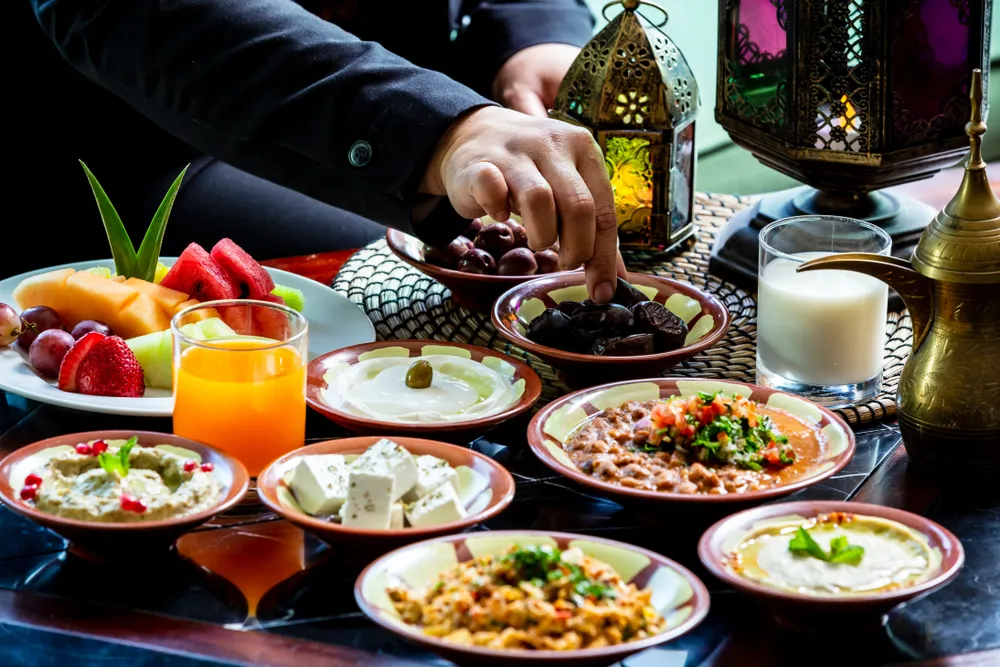
Iftar, the meal to break the fast at sunset, is a significant occasion in Dubai. During Ramadan, luxury hotels and traditional restaurants offer extensive buffet selections featuring Middle Eastern and international cuisine. Some of the recommended places to enjoy iftar in Dubai include:
Al Fanar Restaurant: A restaurant serving authentic Emirati specialties in a traditional setting.
Ewaan at The Palace Downtown: Offers a lavish buffet featuring Middle Eastern, Indian, and international dishes in an elegant atmosphere.
Atlantis The Palm: Provides a memorable iftar experience in a stunning beachfront location.
Suhoor, the pre-dawn meal before fasting begins, can also be enjoyed at various Ramadan tents across Dubai. These venues often feature live music and cultural performances, creating a relaxed and social late-night atmosphere.
Ramadan Night Markets: Evening Shopping Experiences
During Ramadan, several night markets open across Dubai, offering products such as traditional clothing, jewelry, oud perfumes, and Middle Eastern handicrafts. Popular destinations include:
Global Village: A cultural attraction showcasing pavilions from different countries, along with culinary stalls and specialty products.
Ramadan Night Market at the World Trade Centre: A seasonal market offering a wide range of local and regional products in a festive Ramadan setting.
The Unique Atmosphere of Ramadan in Dubai
Although Dubai is a highly modern city, the spirit of Ramadan remains strong. Several elements make Ramadan in Dubai distinctive:
Restrictions on Eating in Public During the Day: As a sign of respect for those observing the fast, many restaurants close or serve takeaway only before sunset.
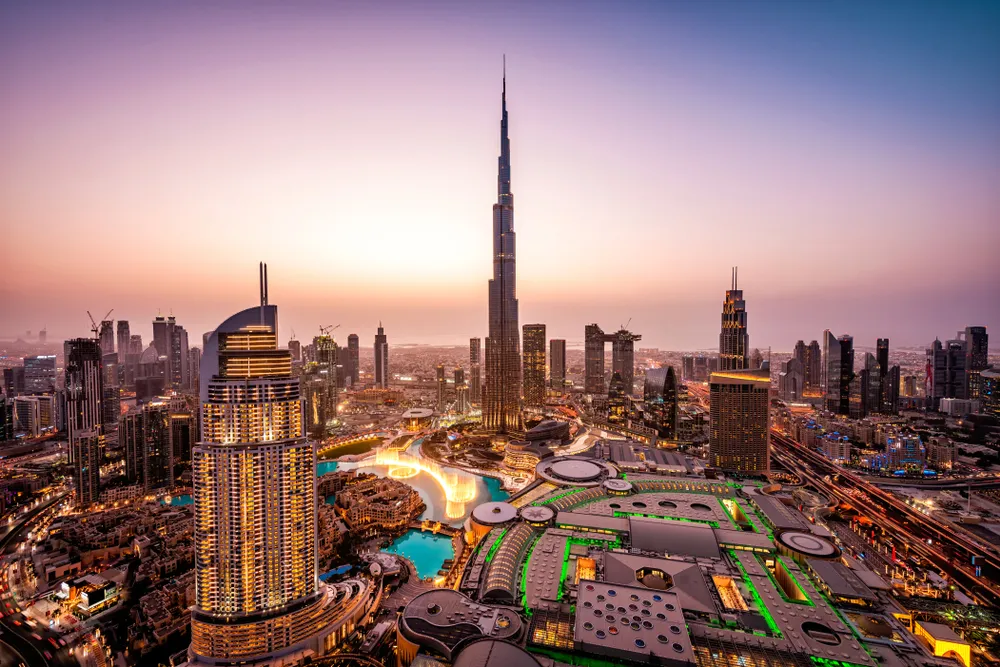
Ramadan Decorations: Shopping malls, hotels, and tourist attractions are decorated with festive Ramadan lights, creating a vibrant nighttime atmosphere.
Cultural Experiences: Museums and cultural centers often host educational sessions about Ramadan, Islamic traditions, and Arab heritage for visitors who wish to learn more.
Travel Tips During Ramadan and Eid
The Ramadan and Eid period is one of the busiest travel seasons in Indonesia. Increased mobility, limited ticket availability, and changes in operational schedules can affect your travel comfort. To ensure your homecoming trip or holiday runs smoothly, here is a practical guide you may consider.
Summary Table of Travel Tips
Tips
| Explanation
| Risk If Ignored
| Practical Recommendation
|
|---|
Book Flights & Accommodation Early
| Ticket and hotel prices tend to increase as the peak period approaches
| Running out of tickets, significant price increases
| Book 1–2 months before departure
|
Prepare Travel Documents
| Ensure your passport is valid for at least 6 months and check visa requirements
| Denial of entry to the destination country
| Keep both digital and printed copies of important documents
|
Use Travel Insurance
| Protects against risks such as delays, lost baggage, or medical emergencies
| Unexpected financial losses
| Choose a policy that matches your trip duration and destination
|
Check Immigration & Health Regulations
| Entry rules and health protocols may change
| Being held at the airport or incurring additional costs
| Monitor official government and airline websites
|
Pack Efficiently
| Bringing only essential items makes travel easier
| Extra baggage fees and discomfort
| Use a packing checklist and lightweight luggage
|
Disclaimer: The information in this table is for general reference. Features, timelines, and processes may vary depending on the policies of each airline, hotel, or insurance provider. Always verify directly with your service provider.
1. Book Flights and Accommodation Early
Travel demand during Ramadan and Eid increases significantly, especially during the homecoming and return flow periods. Booking early helps you secure more competitive prices and more flexible schedule options. In addition, hotel reservations in popular destination cities also tend to fill up quickly.
Planning your trip in advance gives you time to compare prices and adjust your budget more carefully.
2. Prepare Travel Documents Completely
If you are traveling abroad, ensure your passport is valid for at least six months from the date of arrival. Also check whether your destination country requires a visa, specific travel insurance, or additional documents.
Keep copies of important documents in both digital and printed formats to anticipate loss or technical issues.
3. Use Travel Insurance
Travel during peak seasons increases the risk of flight delays, crowded airports, or lost baggage. Travel insurance can provide financial protection against these situations, including emergency medical expenses while you are out of town or abroad.
With appropriate coverage, you can travel with greater peace of mind without worrying about unexpected risks.
4. Check Immigration and Health Regulations
Each country has different entry policies and health requirements. These rules may change at any time, especially ahead of major travel seasons.
Before departure, make sure you check official information from immigration authorities and airlines to avoid issues during check-in or upon arrival at your destination.
5. Pack Efficiently
Travel during Ramadan and Eid often involves tight schedules and high mobility. Bringing only what you need helps you move more quickly and avoid additional baggage fees.
Use a priority checklist, choose clothing that is easy to mix and match, and ensure valuable items are stored securely.
Conclusion
Traveling abroad during Ramadan and Eid al-Fitr is a smart choice for those looking to avoid the crowds at home. Destinations ranging from Southeast Asia to Europe offer unforgettable experiences. However, before you travel, be sure to plan your trip carefully and purchase travel insurance for extra protection.
Want a worry-free vacation? Get Oona Travel Insurance Now!