Travel Insurance: Entry Tickets to the Schengen Area
Imagine you're ready to depart for Europe, your documents complete, your tickets in hand, and your itinerary neatly organized. But your visa is denied because you didn't provide proof of travel insurance.
Applying for a Schengen visa requires proof of travel medical insurance that meets Schengen requirements: minimum medical coverage of €30,000, valid across the Schengen Area for your entire stay, and including emergency medical evacuation and repatriation of remains.
Official sources from the European Commission explain this matter specifically.
According to data from SchengenVisaInfo, visa rejections due to inappropriate insurance documents still occurred in more than 7% of applications in Southeast Asia last year.
To avoid being included in those statistics, we've prepared a handy guide:
Mandatory insurance standards for Schengen Visa
Tips for choosing the best policy according to your needs and budget
Product recommendations from Oona and how to claim them
A cost-saving strategy without sacrificing protection
To understand the price first, you can also read the article How much does travel insurance cost? And if you are curious about the differences in insurance types, take a look at types of travel insurance you need to know.
Now that we know the importance of insurance as one of the main requirements for a Schengen visa, let's now discuss in more depth why this rule is so strictly enforced by the European Union and the consulates of its member countries.
Why is Travel Insurance Mandatory for a Schengen Visa?
Applying for a Schengen visa isn't just about a passport and itinerary; one of the most crucial documents you'll need is international travel insurance. This requirement isn't just a formality; it's legally mandated by Visa Code Regulation (EC) No. 810/2009, which governs visa applications to Schengen countries.
According to the official website of the European Commission, every Schengen visa application must be accompanied by travel insurance that is valid in all member countries and valid across the Schengen Area and covers the entire duration of the proposed trip.
In practice, almost all Schengen country consulates in Indonesia (such as Germany, the Netherlands, France, and Italy) list uniform requirements:
Insurance must have a minimum medical expense coverage of €30,000
Must include emergency medical evacuation and repatriation of remains.
Valid throughout the Schengen area, not just one country
Valid for the period of stay requested in the visa application
Some consulates even require that the insurance company's name be listed on the embassy's list of recognized providers, or that the policy be printed in English or the language of the country.
Behind this seemingly simple requirement, there's actually a compelling reason why the Schengen authorities emphasize the importance of travel insurance. Its purpose isn't just administrative, but also to protect both parties: the visitor and the country they're visiting.
Risks Visa Authorities Want to Minimize
From the perspective of the Schengen authorities, this insurance obligation has a dual protection objective:
Avoid the burden of unpaid medical bills
In France, hospitalization costs (“frais d’hospitalisation”) Costs can be quite high depending on the type of service, medication, and intensive care. Some hospitals report costs of up to €3,000 per day for intensive care units. Therefore, the Schengen authorities want to ensure that visitors do not become a burden on their public health system.
Reduce evacuation risk without insurance costs
BetterCare states that the average cost of an air ambulance is between $20,000 and $80,000 for a single flight without insurance. Without insurance, this can be a burden on the state or a burden on the family. According to the website SkyCare Repatriation, air ambulance flights in Europe can range from £8,000 to £40,000 depending on distance, clinical and medical needs.
Preventing misuse of visas for medical treatment
Schengen countries want to ensure that visas are not used as a pathway to illegally access free medical treatment.
Guarantee legal responsibility towards visitors
Appropriate insurance helps member states protect both tourists and their own legal systems, in the event of an emergency or incident.
Despite clear objectives, many visa applicants still fail due to poor insurance selection or carelessness in preparing their documents. Let's take a look at common mistakes that often lead to visa rejections so you can avoid them.
Why Your Schengen Visa Can Fail Due to Insurance
Many visa rejections occur due to small details on insurance policies being overlooked, and this can result in missed travel plans or wasted money on tickets and accommodation.
Documents VFS Global / German Embassy Jakarta states that insurance must be “valid for the duration of the proposed trip” and cover “repatriation in case of illness or death” in the travel health insurance requirements for visas.
According to the annual report from SchengenVisaInfo, approximately 7.2% of rejected Indonesian visa applications were due to invalid supporting documents, including insurance that did not meet the requirements.
Common errors include:
The policy is valid for only one country, not the entire Schengen Area
Policy duration is shorter than the period of stay
Does not include medical claim limits in Euros (€)
Policy in Indonesian without official translation
Ultimately, many applicants had to re-pay insurance premiums, reprint documents, and reschedule visa interviews, resulting in delayed departures. To avoid similar issues, it's important to understand the official requirements for recognized travel insurance for Schengen visa applications. Here's a guide.
Travel Insurance Requirements for Schengen Visa
Applying for a Schengen visa without providing the appropriate travel insurance can result in immediate rejection, even if other documents are complete. Therefore, it's important to understand the EU's requirements in detail.
The policy you choose must not only include basic medical coverage, but also meet several mandatory criteria, including coverage area, validity period, and the types of coverage included. Here's a summary of the requirements you should ensure are included in your insurance policy:
Conditions
| Explanation
|
|---|
Minimum medical coverage
| €30,000 or equivalent
|
Applicable region
| All Schengen countries
|
Active duration
| Throughout the stay
|
Including evacuation and repatriation
| Mandatory, not optional
|
Source: European Commission
Once you know the mandatory requirements, the next step is to choose a credible insurance provider recognized by the embassy. Here are some companies you might consider.
Travel Insurance Provider Options for Schengen Visa
Applying for a Schengen visa can be done using travel insurance from various trusted companies in Indonesia. As long as the policy meets European Union requirements, namely a minimum medical limit of €30,000, covers medical evacuation and repatriation, and is valid in all Schengen countries, the embassy will accept it.
Insurance Provider
| Main Advantages
|
|---|
Oona Insurance
| Digital policy, easy online purchases
|
Allianz TravelPro
| International provider with global network
|
AXA Smart Traveller
| Known for its high medical limits
|
Tokio Marine Travel Insurance
| International and domestic travel protection
|
Zurich Travel Insurance
| Annual multi-trip option for frequent flyers
|
Disclaimer: All of the above providers are generally accepted for Schengen visa applications as long as the policy meets the minimum EU requirements. The main differences typically lie in premiums, additional benefits, partner hospital networks, and claims processes. Therefore, it's important to consider not only price but also the company's service quality and reputation.
Of the many providers available, Oona is a popular choice due to its ease of digital purchasing and Schengen-compliant coverage. Here's a sample premium simulation to help you estimate the costs.
Example of Oona Premium Price for Schengen Visa
To provide a more concrete picture, here is a simulation of the premium costs from Oona Travel Insurance for a single trip, solo traveler, 7 days to the Schengen area.
Plan
| Premium (before discount)
| Main Benefits
|
|---|
Business
| IDR 620,625
| Accident benefits up to IDR 1.25 billion, medical expenses of IDR 1 billion, evacuation & repatriation according to actual costs, hospitalization benefits up to IDR 15 million, and emergency telephone costs.
|
First
| IDR 806,250
| Accident benefits up to IDR 1.5 billion, medical expenses of IDR 2.5 billion, evacuation & repatriation according to actual costs, hospitalization benefits up to IDR 22 million, and emergency telephone costs.
|
Disclaimer: This table is based on a simulation for a single trip, a solo traveler, with a duration of 7 days, to the Schengen area. Premiums may vary depending on duration, age, and the plan selected. Promotions or discounts may also affect the final price.
Looking at the premium examples, the question naturally arises: why should you choose Oona over other providers? Here are the advantages that make Oona stand out among similar products.
Why Choose Oona for a Schengen Visa?
Many travel insurance options are available to meet Schengen visa requirements, but Oona has advantages that make it more practical and competitive than others:
Key advantages
| Explanation
|
|---|
Schengen-compliant coverage (for visa applications)
| Oona policy complies with EU standards: medical coverage ≥ €30,000, including evacuation and repatriation.
|
100% Online Process
| Easy purchase via the website, digital policy (PDF) sent directly via email and can be printed as a visa attachment.
|
Competitive Price
| Starting from IDR 286,000 for short trips to the Schengen area, with more comprehensive plan options to suit your needs, plus regular discount promotions.
|
Complete Benefits
| Coverage includes medical expenses, hospitalization, lost baggage, travel delays, and extra protection with a limit of billions of rupiah in the premium plan.
|
24/7 International Claims
| Emergency assistance services are available whenever and wherever you are.
|
Disclaimer: The Oona policy can be used for Schengen visa applications and is also valid for non-Schengen travel according to the selected region.
With Oona, you not only fulfill visa requirements but also receive extra protection during your trip. It's convenient, transparent, and affordable. Once you've determined the right plan, you can purchase Oona travel insurance directly through our official website. The process is fast, easy, and completely online.
Tips for Saving Money by Choosing an Oona Insurance Plan for a Schengen Visa
Every traveler has different needs and budgets. To avoid going over budget, you can tailor your Oona insurance plan to the type of trip you're taking.
Type of Trip
| Recommended Plan
| Reason
|
|---|
Short trip (≤ 7 days)
| Business Plan
| Already meets the Schengen visa requirements at a low price, protection up to IDR 1 billion.
|
Intermediate travel
(8–15 days)
| First Plan
| Higher limits for medical & evacuation costs, suitable for travelers with busy itineraries.
|
Long journey or multiple country trip
| First Plan
| Provides billions of rupiah in protection limits, including lost baggage & travel delays.
|
Disclaimer: This table is just a general recommendation based on a simulated Oona policy for travel to the Schengen area. Actual premiums and benefits may vary depending on the duration, age of the participant, destination country, and plan selected. Always check the policy details before purchasing.
Saving Tips:
Take advantage of the discount promotions that frequently appear on the Oona site, especially around the holiday season.
Choose the policy duration according to your planned stay, avoid adding unnecessary days.
Buy directly from the Oona website to avoid additional third-party fees.
With this strategy, you can still meet visa requirements without paying more than you need to.
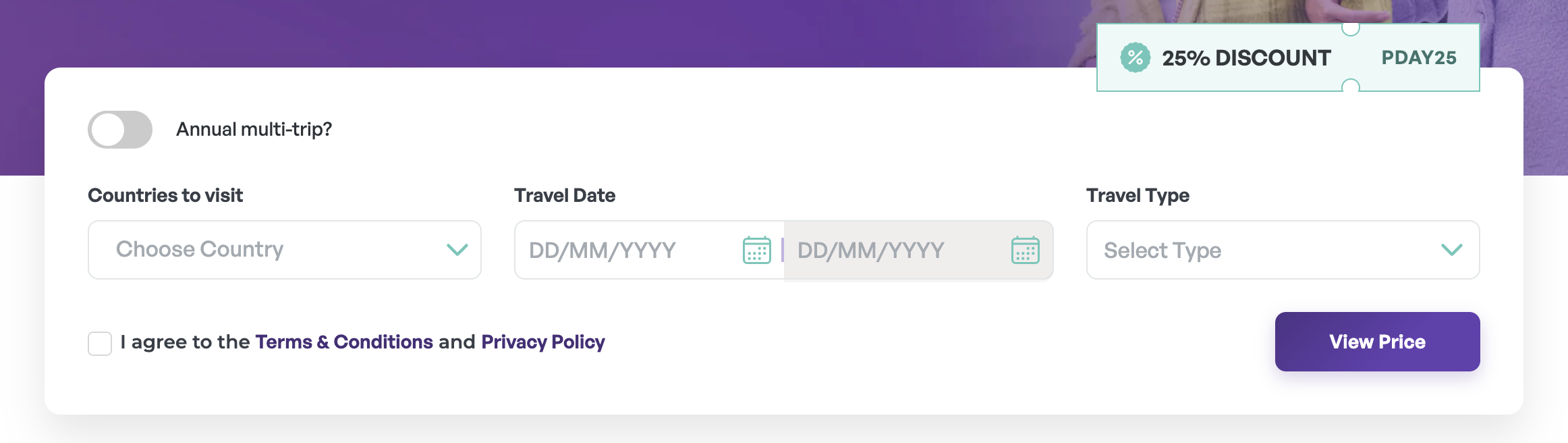
How to Buy Oona Travel Insurance for Schengen Visa