Halal Restaurants and Muslim-Friendly Places in Korea
South Korea in recent years has begun to develop more Muslim-friendly facilities, in line with the growing global attention toward the halal tourism market. The Korea Tourism Organization (KTO), through its “Muslim-Friendly Korea” program, provides guides to halal restaurants, locations of prayer rooms, as well as travel information relevant to Muslim travelers.
In addition, the Muslim community in South Korea, which is estimated to exceed 150,000 people, including foreign nationals and local converts, has also played a role in the growth of halal restaurants and prayer facilities in major cities such as Seoul and Busan.
Although options are becoming increasingly available, planning remains important. One of the main things that needs to be understood before departure is how to find halal food safely and comfortably while in Korea.
Halal Food in Korea: A Complete Guide for Muslim Travelers
Finding halal food in South Korea requires a basic understanding of local culinary ingredients and the applicable restaurant classification system. Although halal food options in Korea continue to expand, most traditional Korean dishes still use ingredients that do not comply with halal standards, such as pork and fermented alcohol.
For Muslim travelers, understanding ingredient composition and how to read halal labels becomes an essential step before ordering food.
Common Ingredients in Korean Cuisine That Require Attention
Below are several ingredients frequently found in Korean cuisine and their implications for Muslim travelers:
Common Ingredient
| Halal Status
| Explanation
|
|---|
Pork
(Samgyeopsal, Ham)
| Not halal
| Very common in BBQ, soups, and street food
|
Gochujang
(Fermented Chili Paste)
| Requires verification
| Some products contain alcohol from the fermentation process
|
Traditional Kimchi
| Requires verification
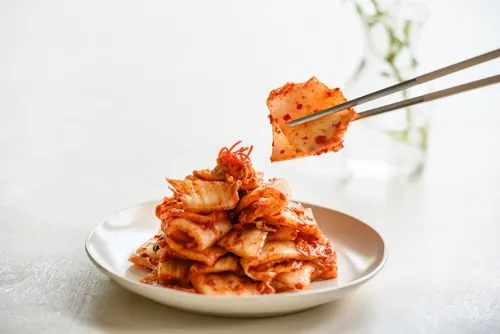
| May contain jeotgal (fermented fish sauce)
|
Soju / Mirin
| Not halal
| Used in marinades and sauces
|
Bone Broth
| Requires verification
| Often pork-based
|
Disclaimer: The information in this table is general in nature. Ingredient composition may vary depending on the restaurant and recipe. Always confirm directly with the restaurant before ordering.
Muslim-Friendly Restaurant Classification System in Korea
The Korea Tourism Organization (KTO), through its Muslim-Friendly Korea program, classifies restaurants into several categories to help Muslim travelers understand the level of halal compliance of the food offered.
Below is a general overview:
Restaurant Category
| Description
|
|---|
Halal Certified
| The restaurant has official halal certification, usually from the Korea Muslim Federation
|
Self-Certified
| The restaurant owner declares that the ingredients and processes are halal, but does not have official certification
|
Muslim Friendly
| Does not serve pork, but may still sell alcohol
|
Pork-Free
| Does not serve pork, but is not necessarily fully halal
|
Understanding these differences is very important so that travelers do not rely solely on the “Muslim-friendly” label without understanding the details.
Practical Guide: How to Find Halal Food in Korea Safely
Although the number of halal restaurants in Korea continues to grow, it is still important to know how to ensure food safety and halal compliance during your trip.
Below are practical steps that can help you find halal food in Korea more confidently and securely:
1. Check for a Halal Logo or Certification
Certified restaurants usually display an official halal logo, often issued by the Korea Muslim Federation. Always look for visible certification signage before ordering.
2. Use Halal Apps and Official Guides
Download applications such as Halal Navi or HappyCow to search for halal restaurants and Muslim-friendly vegetarian options near your location. In addition, the Korea Tourism Organization provides an official halal restaurant guide through its website.
3. Ask About Ingredients Specifically
Do not hesitate to ask restaurant staff whether the food contains pork or alcohol. Many establishments in tourist areas are accustomed to such questions. You may ask simple questions such as:
4. Be Cautious with Fermented Sauces
Many Korean sauces use fermentation processes that may involve alcohol. Even if a dish does not contain pork, the seasoning or sauce may require verification.
5. Consider Vegetarian Restaurants
Vegetarian restaurants can be a safer alternative because they do not serve meat. However, it is still important to confirm that sauces and seasonings do not contain alcohol or other non-halal ingredients.
By combining proper planning, ingredient awareness, and direct confirmation with restaurant staff, Muslim travelers can enjoy Korean cuisine with greater confidence and peace of mind.
Why Is Planning Important?
Although the number of halal restaurants in Korea is increasing, their availability remains concentrated in major cities such as Seoul, particularly in the Itaewon area. Outside these areas, options may be more limited, making pre-trip planning highly recommended.
By understanding food ingredients, the restaurant classification system, and how to read halal labels, Muslim travelers can enjoy Korean culinary experiences with greater confidence and comfort.
With this foundational understanding, the next step is to identify where halal restaurant options are most easily found. For most Muslim travelers, Seoul becomes the most practical starting point due to its relatively higher and more centralized availability of halal restaurants.
Halal Restaurants in Seoul
As the capital of South Korea, Seoul is the primary destination for Muslim travelers. The city offers a wider variety of halal restaurant options compared to other cities, ranging from authentic Korean cuisine to Middle Eastern and Indian dishes.
Most halal restaurants in Seoul are concentrated in one area that has long been known as the center of the Muslim community, namely Itaewon.
Itaewon: The Center for Muslim Travelers in Seoul
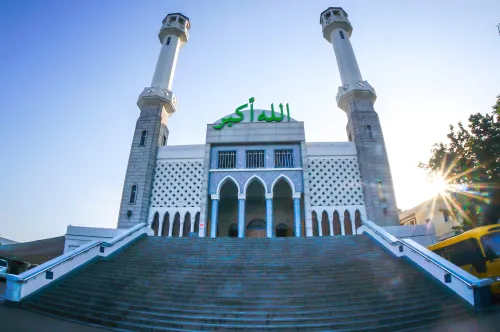
Itaewon is known as the most Muslim-friendly district in Seoul. In this area, you can find various halal restaurants, halal grocery stores, as well as the Seoul Central Mosque, which serves as the main hub of Muslim community activities in South Korea.
For Muslim travelers, Itaewon often becomes a safe starting point for finding halal food before exploring other areas of Seoul.
Seoul Central Mosque