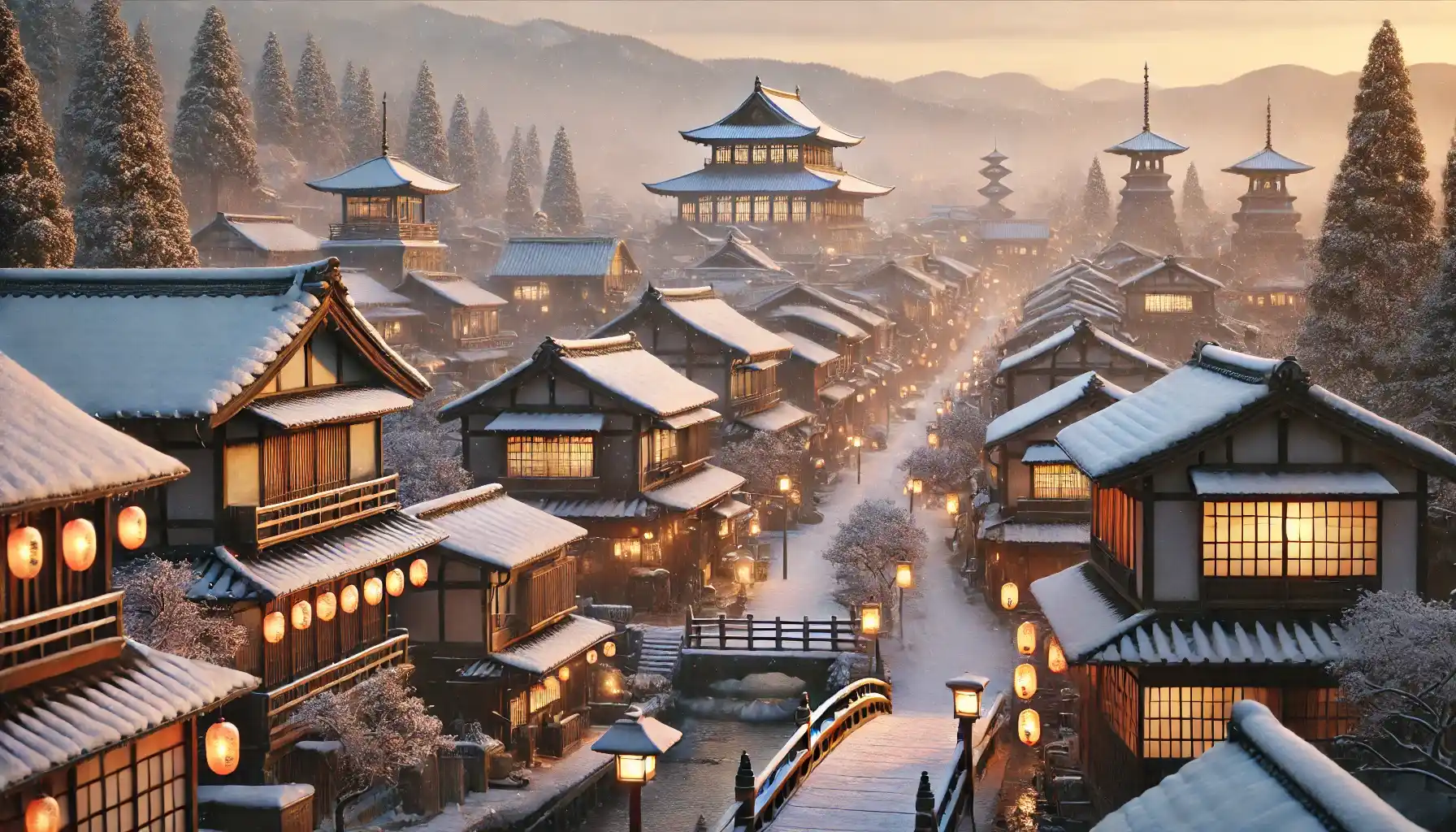
December in Japan marks the peak of winter, with temperatures dropping significantly, especially in northern regions such as Hokkaido. Indonesian travelers who are accustomed to tropical climates will experience a noticeable temperature difference, as average temperatures in many areas can fall to 0°C or lower. In addition to snowfall, strong winds can make the air feel even colder.
In major cities such as Tokyo and Osaka, temperatures may not drop as drastically as in Hokkaido, but they typically range between 2°C and 12°C. This can still be challenging for those unfamiliar with cold weather. Low temperatures may also affect outdoor activities, as roads can become slippery due to snow or ice, increasing the risk of accidents.
For this reason, preparing appropriate clothing is essential to maintain comfort and protect your health during your holiday.
Choosing the Right Jacket
A winter jacket is one of the most important items to bring. Choose a thick jacket that provides adequate insulation while remaining comfortable to wear. Down and wool jackets are generally effective in retaining body heat. It is also advisable to select a jacket with a soft inner lining for added warmth and comfort.
Essential Accessories: Gloves, Hats, and Warm Socks
Gloves, hats, and warm socks are essential during winter in Japan. Wool or insulated gloves help keep your hands warm, while a thick hat protects your head and ears from cold winds. Warm socks are equally important to keep your feet comfortable, especially when walking outdoors for extended periods.
Clothing Layers: The Key to Staying Warm
Layering your clothing is crucial for maintaining body temperature. Start with thermal underwear or long johns as a base layer, followed by a sweater or fleece as a middle layer. This combination helps trap body heat effectively, even in very cold conditions.
Tips for Choosing the Right Thick Jacket and Gloves for Winter in Japan
When visiting Japan in December, selecting the right winter jacket and gloves is essential for staying comfortable and healthy. The following tips will help you make informed and practical choices.
Ideal Jacket Materials for Winter
Here are some effective materials for keeping out the cold:
Down
Down jackets are very popular because they are lightweight yet highly insulating. The goose or duck down filling helps retain body heat efficiently.
Wool
Wool jackets are also effective in cold weather. Wool has excellent insulating properties and can retain warmth even when damp.
Synthetic
Synthetic materials such as polyester are commonly used in winter jackets. They tend to be more water-resistant and dry faster than natural materials.
Glove Types: From Leather to Wool
Choosing the right gloves is essential for keeping your hands warm. Below are several types of gloves based on material and their advantages:
Leather
Leather gloves are durable and provide good wind protection. For better insulation, choose leather gloves lined with wool or fleece.
Wool
Wool gloves offer strong insulation and comfort, but they are generally not waterproof.
Synthetic
Synthetic gloves are usually more water-resistant and quick-drying, making them suitable for active outdoor use.
Choosing a Layered Jacket for Comfort and Practicality
A layered or quilted jacket can be a practical and comfortable choice. This type of jacket typically consists of multiple layers that can be added or removed as needed. The advantages include:
Flexibility
You can adjust the layers based on temperature and activity level.
Practicality
Layered jackets are easier to pack and store because individual layers can be separated.
Comfort
Multiple layers provide effective insulation without feeling overly heavy or restrictive.
By selecting the right jacket and gloves, you can enjoy winter in Japan comfortably and stay properly protected from the cold. Always consider the material, insulation level, and functionality to ensure they match your travel needs.
Choosing Waterproof and Slip-Resistant Shoes to Prevent Accidents in Japan During Winter
Winter in Japan, especially in December, often brings snow and icy sidewalks. Choosing waterproof and slip-resistant shoes is therefore essential to ensure safety and comfort while walking.
Key Shoe Features to Consider
Selecting the right footwear can be challenging, but there are several important features to look for:
Waterproof Material
Choose shoes made from waterproof materials such as Gore-Tex or specially treated leather. This helps keep your feet dry when walking through snow or slush.
Slip-Resistant Soles
Shoes with strong traction are essential to reduce the risk of slipping. Look for rubber soles with deep, textured tread patterns to improve grip on icy or wet surfaces.
Why Shoe Soles Matter
The sole is one of the most important elements of winter footwear. The right sole not only enhances comfort but also helps prevent accidents on slippery roads.
Make sure the soles provide:
Choosing Comfortable Shoes for Daily Activities
Comfort is equally important when selecting winter shoes for daily use. Consider the following:
Proper Arch Support
Good arch support helps prevent foot fatigue during long walks.
Soft Cushioning
Adequate cushioning adds comfort and reduces strain on your feet.
Correct Fit
Ensure the shoes fit properly, neither too tight nor too loose. Tight shoes can cause blisters, while loose shoes may reduce stability when walking.
By choosing the right footwear, you can enjoy winter in Japan safely and comfortably without worrying about slipping on icy surfaces.
Preparation of Essential Medicines to Maintain Health During a Winter Holiday in Japan
Winter in Japan can present health challenges, particularly for Indonesian travelers who may not be accustomed to cold climates. Bringing appropriate medications and basic medical supplies is therefore important to help maintain your health throughout your trip.
Medicines for Flu and Colds
Flu and colds are common during winter. Consider bringing the following medications:
Paracetamol
Useful for reducing fever and relieving mild to moderate pain.
Cough Medicine
Choose a formula suitable for your symptoms, whether for a dry cough or a productive cough.
Decongestants
Helpful for relieving nasal congestion.
These medicines can be brought from Indonesia or purchased at pharmacies in Japan.
Vitamins and Supplements to Support Immunity
To help maintain a strong immune system during winter, consider bringing:
Vitamin C
Supports immune function.
Vitamin D
Important for bone health and immune support, especially during periods of limited sun exposure.
Zinc
May help support recovery from common cold symptoms.
Additional Useful Medical Supplies
In addition to medication, the following items can be helpful during your winter holiday:
Adhesive bandages
For minor cuts or blisters.
Antiseptic solution
For cleaning wounds.
Moisturizer
To prevent dry skin caused by cold and low humidity.
Thermometer
To monitor body temperature if you feel unwell.
By preparing essential medicines and medical supplies, you can better protect your health and enjoy your winter holiday in Japan with greater comfort and confidence.
Enjoying Japan’s Winter Events
Winter in Japan is not only about snow and cold temperatures. It is also a season filled with remarkable events and festivals. For Indonesian travelers visiting in December, this is an opportunity to experience distinctive Japanese culture and seasonal traditions. From large-scale snow festivals to impressive night illuminations, winter in Japan offers a variety of memorable events worth exploring.
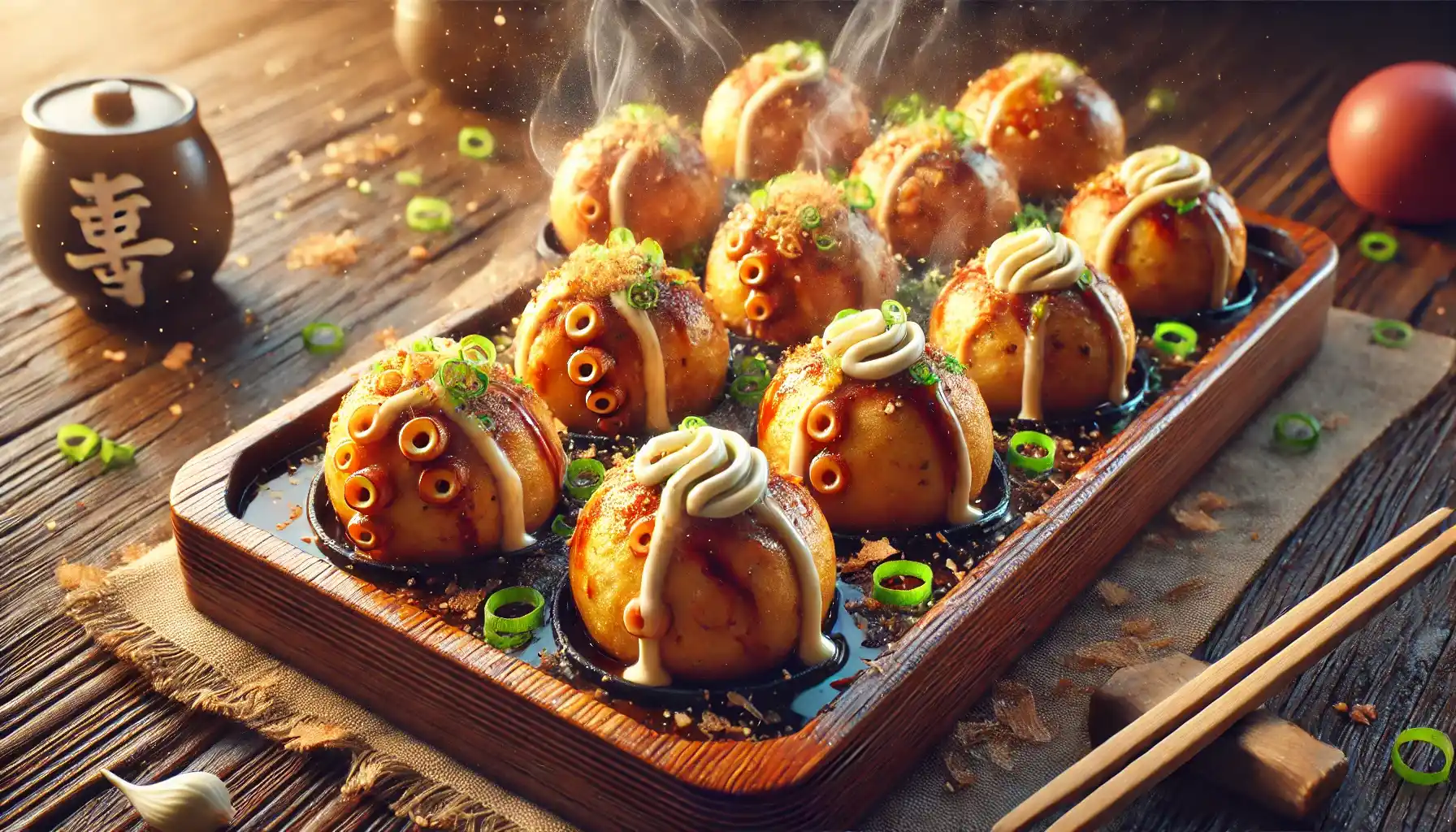
Enjoying Japanese Winter Cuisine