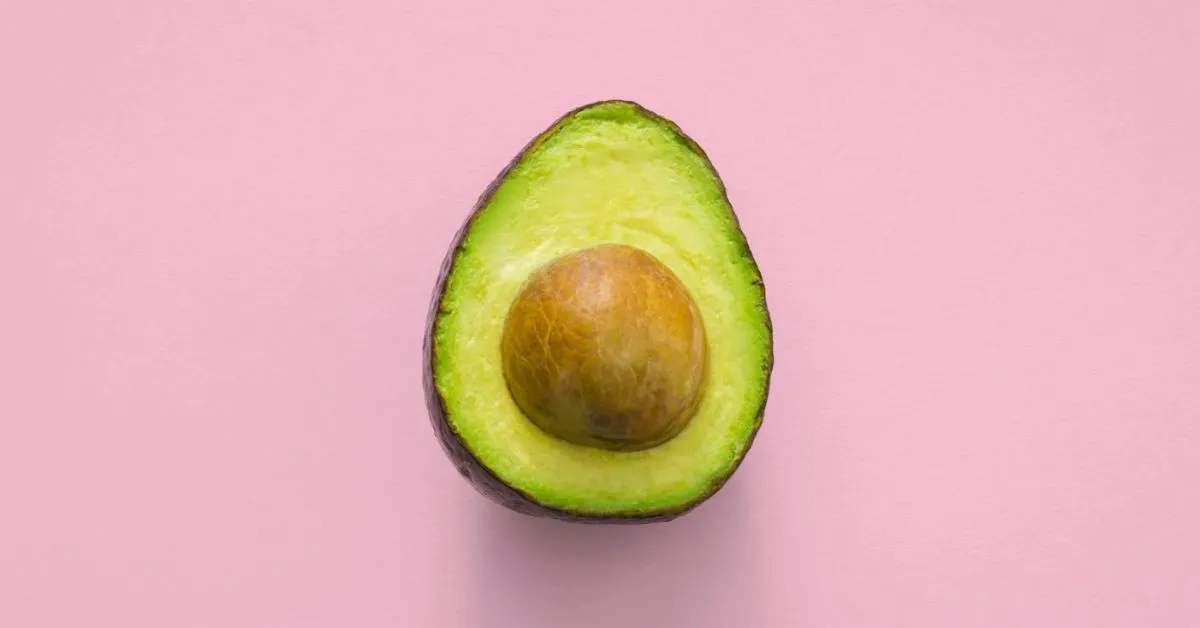
Grapes are believed to have many benefits that have the potential to prevent heart disease and hypertension, or high blood pressure. This is due to the high fiber and flavonoid content found in grapes.
Fiber helps maintain heart health by controlling cholesterol levels and regulating blood pressure. Meanwhile, flavonoids are antioxidant compounds that can protect the heart from damage caused by free radicals and inflammation.
What Foods Should People with Heart Disease Limit?
People with heart disease should limit foods that can raise LDL cholesterol, blood pressure, body weight, or blood sugar levels. These include foods high in saturated fat, trans fat, salt, added sugar, and ultra-processed ingredients.
Here are several foods to limit to help support heart health:
Foods high in saturated fat
Fatty meats, chicken skin, butter, excessive coconut milk, and full-fat dairy products can raise LDL, or “bad” cholesterol. When consumed too often, these foods may increase the risk of plaque buildup in the arteries.
Foods high in trans fat
Trans fat is often found in fast food, fried foods, certain margarines, packaged pastries, and processed snacks. This type of fat can raise LDL cholesterol and lower HDL, or “good” cholesterol.
Foods high in added sugar
Sweetened drinks, cakes, candy, desserts, and high-sugar packaged foods can increase the risk of excess weight, insulin resistance, and diabetes. These conditions are closely linked to a higher risk of heart disease.
Foods high in salt
Instant foods, canned foods, processed meats, chips, and fast food often contain high amounts of sodium. Excess salt intake can raise blood pressure, which is one of the main risk factors for heart disease.
Processed and fast foods
Ultra-processed foods are often high in salt, sugar, unhealthy fats, and calories. Eating them too often may worsen heart disease risk factors such as hypertension, high cholesterol, obesity, and diabetes.
Limiting these foods does not mean you cannot enjoy your meals. To support heart health, choose more vegetables, fruits, whole grains, nuts, fish, and lean protein sources. If you have heart disease or specific risk factors, consult a doctor or registered dietitian for a diet plan that fits your condition.
Start Protecting Your Heart with a Healthy Diet
Maintaining heart health can start with the food choices you make every day. Eating nutritious foods such as leafy greens, fruits, fatty fish, nuts, whole grains, and lean protein sources can help support healthy cholesterol levels, blood pressure, and blood vessel function.
To help reduce the risk of heart disease, it is also important to limit saturated fat, trans fat, excess salt, added sugar, and ultra-processed foods. A balanced diet works best when supported by regular physical activity, enough sleep, not smoking, and routine health check-ups.
In addition to maintaining a healthy lifestyle, consider financial protection against the risk of critical illness. Heart attack insurance can help provide financial support if a serious health risk occurs, according to the applicable policy benefits and terms. Visit the heart attack insurance page for more information.