With such a high risk, it's important to recognize the early symptoms of sleep apnea, which often go unnoticed but can be potentially fatal.
Signs of Sleep Apnea Associated with Stroke Risk
Sleep disorders like Obstructive Sleep Apnea (OSA) often develop silently. Many sufferers are unaware they have it. However, if left untreated, these symptoms can significantly increase the risk of stroke. Early recognition and prompt action are crucial.
OSA Symptoms to Watch Out For
| Information
|
|---|
Loud and irregular snoring
| One of the most common signs of OSA, usually accompanied by a pause in sleep sounds during sleep.
|
Waking up gasping or with breathing pauses
| Can indicate temporary cessation of breathing during sleep (apnea)
|
Excessive daytime sleepiness
| Occurs due to poor sleep quality even though the duration is sufficient
|
Morning headache
| Caused by low oxygen levels during sleep
|
High blood pressure that is difficult to control
| Hypertension can be triggered by a surge in the sympathetic nervous system during apnea.
|
Poor concentration and mood changes
| Lack of oxygen and quality sleep influence cognitive and emotional functions
|
Disclaimer: This table is for general information only and does not replace medical diagnosis.
If you experience one or more of the above symptoms, especially if you have a family history of stroke or are over 40 years old, you should consult a sleep specialist or heart specialist for further evaluation.
Detection and Treatment: Reducing Stroke Risk Through Better Sleep Care
When you suspect you have Obstructive Sleep Apnea (OSA), the first step is a proper diagnosis. Early detection can not only prevent symptoms from worsening but also significantly reduce the risk of serious complications like stroke.
Sleep screening as an initial step
To determine if you have OSA, a sleep test called a polysomnography (PSG) is the recommended diagnostic standard. This test is performed overnight to monitor:
The results of the PSG help determine the severity of OSA and form the basis for further medical management strategies.
CPAP Therapy and Medical Interventions
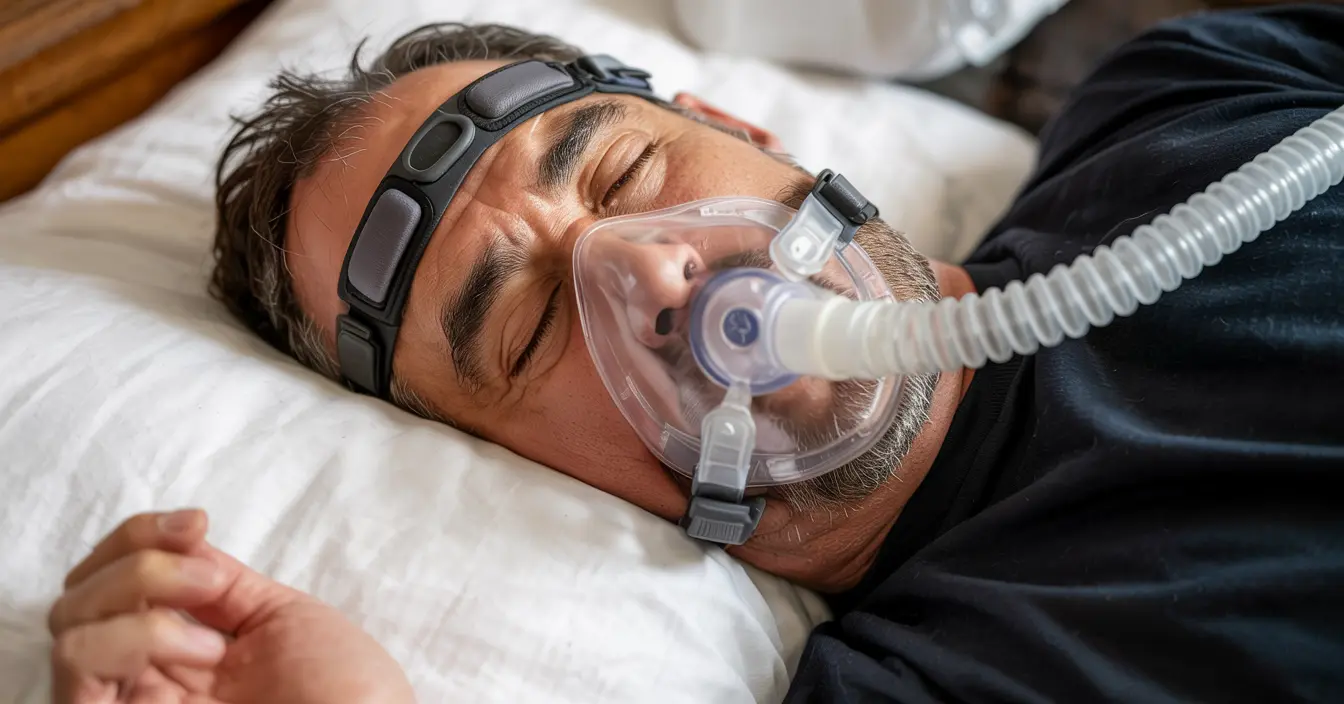
One of the main therapies for moderate to severe OSA is Continuous Positive Airway Pressure (CPAP). This device works by delivering constant air pressure through a mask while you sleep, preventing the upper airway from closing or collapsing.
According to research from the European Society of Cardiology, consistent use of CPAP in high-risk OSA patients can reduce the incidence of stroke and heart attack by up to 17%. This finding is supported by a report from News Medical, which states that long-term use of CPAP also reduces the risk of death from heart disease, as long as adherence to therapy is maintained properly.
Lifestyle Changes
CPAP is highly effective, but it doesn't work alone. Optimal results are usually supported by healthy lifestyle changes such as:
Lose weight if you have an overweight body mass index
Avoid consuming alcohol, especially before bedtime.
Quit smoking completely.
Maintain a consistent and adequate sleep schedule every night.
Regular exercise to improve metabolism and respiratory function
A combination of medical treatment and lifestyle changes can help reduce the burden on the cardiovascular system, as well as improve overall sleep quality.
Control Additional Risk Factors
Because OSA often overlaps with other risk factors that are also associated with stroke, it is important for you to regularly monitor the following health conditions:
Blood Pressure
Hypertension is the main trigger for ischemic and hemorrhagic strokes.
Cholesterol profile
High LDL levels can accelerate the blockage of blood vessels in the brain.
Blood Sugar
Diabetes increases damage to small and large blood vessels in the brain.
By performing regular check-ups and comprehensive management, you not only reduce the negative effects of OSA, but also protect your brain from the risk of stroke.
However, medical prevention alone isn't enough. Because the risk of stroke can come without warning, it's also important to prepare financially to face the worst.
Financial Protection Through Stroke Insurance
While medical management of OSA is crucial, the risk of stroke remains, even in seemingly healthy individuals. Therefore, financial protection is also an important part of a long-term prevention strategy.
The cost of stroke treatment in Indonesia varies widely, depending on the type of stroke, length of hospitalization, and the need for rehabilitation and follow-up therapy. Based on research from Muhammadiyah University of Surakarta, the estimated cost of stroke treatment can reach IDR 75million to more than IDR 200 million per incident, especially if it includes emergency medical procedures and intensive care.
This does not include post-stroke therapy costs such as physical rehabilitation, speech therapy, and brain function recovery, which according to the Indonesian Journal of Physical Therapy can add tens of millions of rupiah in the long-term recovery process.
Disclaimer: Cost estimates are illustrative and may vary depending on the hospital and patient condition.
With Oona Stroke Insurance, you can receive a lump-sum benefit once a stroke is medically diagnosed—without waiting for hospitalization. The payout can be used flexibly for:
Emergency and hospitalization costs
Physical or cognitive rehabilitation and recovery therapy
Income replacement if you have to stop working temporarily
Family living needs during the healing period
Protect your financial stability from now on. See the full benefits at Oona Stroke Insurance
What You Can Do Now
If you think you have OSA symptoms or risk factors for stroke, take the following steps:
Immediately consult a doctor or sleep clinic for OSA screening.
Improve sleep patterns and lifestyle
Monitor blood pressure and cholesterol regularly
Have critical illness insurance that specifically covers stroke.
By taking proactive steps, you can prevent conditions that could potentially change your life and those closest to you.