



Stroke is often thought to be solely caused by hypertension. In fact, many other diseases silently increase the risk, even in young people. Learn about 10 medical conditions that can trigger a stroke and the protective steps you can take early on.

ENG

English
Bahasa Indonesia

7 Mins read


 Copied!
Stroke is often thought to be solely caused by hypertension. In fact, many other diseases silently increase the risk, even in young people. Learn about 10 medical conditions that can trigger a stroke and the protective steps you can take early on.
Many people still associate stroke solely with high blood pressure or advanced age. But did you know that many other medical conditions can increase your risk of stroke without you even realizing it?
From diabetes and atrial fibrillation to sleep disorders such as sleep apnea, some diseases can silently damage the brain's blood vessels or trigger blood clots that cause ischemic stroke.
Surprisingly, many of these conditions affect people of working age, and most people are unaware that they have them.
According to 2018 Basic Health Research, the prevalence of stroke in Indonesia has increased significantly from 7 per thousand in 2013 to 10.9 per thousand in 2018. This means that around 11 out of every 1,000 people in Indonesia have experienced a stroke diagnosed by medical personnel.
In addition to its steadily increasing prevalence, according to a 2022 PMC study, stroke is also a leading cause of death and disability in Indonesia. Its impact is not only medical but also social and economic, as many patients experience long-term paralysis and loss of work productivity.
Even globally, WHO in 2024 estimates that 1 in 4 adults will experience a stroke in their lifetime, making this disease a serious threat that often comes without warning.
To help you be more aware, this article will cover:
10 diseases that can silently trigger a stroke
The medical mechanism behind them (explained simply)
How to prevent or reduce the risk
The importance of protection through stroke insurance from Oona
Before continuing, you can also check the following relevant articles for a deeper understanding:
Stroke Symptoms: Recognize the Early Signs and How to Prevent Them
Stroke During Your Productive Years: Are You Ready to Face It?
Next, we will discuss a list of 10 diseases that are often not thought of as causes of stroke but have been proven to trigger sudden attacks on the brain.
Strokes often come suddenly, but the risks can develop slowly from various medical conditions that may go unnoticed. Some conditions may seem mild or common, but if left untreated, they can increase the risk of stroke, either ischemic or hemorrhagic.
To give you a comprehensive overview, here's a summary of 10 medical conditions that can secretly increase your risk of stroke, along with details on how they affect your body:
Disease | How It Increase the Risk of Stroke |
|---|---|
Hypertension | Damage to the blood vessels of the brain |
Atrial Fibrillation | Formation of blood clots in the heart |
Type 2 Diabetes | Damages blood vessels and accelerates atherosclerosis |
Sleep Apnea | Lowers oxygen levels |
High Cholesterol | Plaque clogs the arteries of the brain |
Obesity | Combination of hypertension, diabetes, and high cholesterol risks |
Smoking | Narrowing & damage of blood vessels |
Coronary Heart Disease | Disturbance of blood flow to the brain |
Autoimmune Diseases (Lupus, APS) | Inflammation of blood vessels & clotting |
Migraine with Aura | Increased risk of ischemic stroke (especially in women) |
Disclaimer: Stroke risk can vary depending on age, medical history, lifestyle, and genetic factors. Consult a healthcare professional for a personalized risk evaluation and management.
Let's discuss each one in more depth, starting with the most common conditions and ending with the more unexpected ones.
Hypertension, or long-standing high blood pressure, is one of the leading triggers of stroke worldwide. Data from Sandi Husada Scientific Journal of Health states that chronic high blood pressure can weaken the walls of blood vessels and make blood vessels in the brain more susceptible to both blockage (which causes ischemic stroke) and rupture (which causes hemorrhagic stroke).
According to the latest 2024 global analysis published in PMC, more than half of deaths and disabilities due to stroke in the world were directly related to high blood pressure.
In Indonesia, as in many other countries, hypertension is often called the “silent killer”, because many sufferers are unaware of their condition until serious complications occur.
Key note: Because symptoms can be as subtle as mild dizziness or fatigue, many people don't realize they have hypertension. Therefore, regular blood pressure checks are crucial, especially for active adults and those in the productive age group.
Apart from hypertension, an irregular heart rhythm can also cause stroke, and one example is atrial fibrillation.
Atrial fibrillation (AFib) is an irregular heart rhythm that can significantly increase the risk of ischemic stroke. According to MedLink (2025), AFib can cause blood to pool in the atria, increasing the chance of clot formation. When the heart rhythm is disturbed, blood flow from the atria can become stagnant, allowing a clot (thrombus) to form. If this thrombus breaks free and travels to the brain, the potential for an ischemic stroke is high.
According to a study published in PLOS One in 2017, The risk of stroke in AFib sufferers is 4–5 times greater than in individuals without AFib.
AFib contributes to 20–25% of ischemic stroke cases, particularly the cardioembolic type, according to a 2022 SciELO study.
According to the publication Muhammadiyah University of Surakarta in 2012, because it is sometimes silent (without obvious symptoms), many patients are unaware they have AFib until they have a stroke.
AFib can affect anyone, but the risk increases with:
Increasing age
Accompanying factors such as hypertension, diabetes, heart disease
Certain medical history
Therefore, individuals over 40 years of age, especially those with risk factors such as hypertension or heart disease, need to be more alert to the possibility of atrial fibrillation (AFib). The risk of AFib does increase significantly with age, as explained in the study Journal of Family & Community Medicine 2019.
Key note: Because AFib is often not felt, regular check-ups such as EKGs or heart rate checks are highly recommended, especially for those with risk factors, to prevent serious complications such as stroke.
Diabetes is not only dangerous for the kidneys or eyes, it is also directly linked to an increased risk of stroke.

Type 2 diabetes is one of the most significant risk factors, significantly increasing the chances of having a stroke compared to people without diabetes. A 2017 PMC study shows that people with diabetes have a risk of stroke that is approximately 1.5 to 2 times greater than the non-diabetic population.
According to a 2017 PMC publication, chronic hyperglycemia (persistently high blood sugar levels) damages the lining of large and small blood vessels, including those in the brain, thereby accelerating the process of atherosclerosis (thickening and hardening of the arteries).
The same study also explains that diabetes can cause endothelial dysfunction, a disruption in the function of the inner lining of blood vessels. This condition increases the likelihood of plaque or blood clot formation, which can block blood flow to the brain and trigger a sudden ischemic stroke.
A review in Journal of Stroke (2022) notes that diabetes rarely occurs alone. Most patients also have comorbid risk factors such as hypertension and dyslipidemia. This combination significantly increases the risk of cardiovascular complications, including stroke.
Recent meta‑analyses and literature reviews of Journal of Stroke 2022 reported that diabetes increases the risk of stroke by about 2 times compared to non-diabetics.
A recent study published in PubMed Central in 2023 showed that the risk of stroke increases for all types of stroke in people with diabetes, but the strongest effect occurs in ischemic stroke. For this type of stroke, the hazard ratio (HR) is reported to be around 1.76 to 2.0 compared to non-diabetic individuals.
The same study also explained that the longer a person has diabetes and the worse their blood sugar control, the risk of stroke gradually increases. This means that disease duration and poor management play a significant role in triggering neurological complications like stroke.
Key note: The risk of stroke in people with diabetes isn't just about high blood sugar, but also because diabetes often coexists with other risk factors such as hypertension, high cholesterol, and an unhealthy lifestyle. Comprehensive treatment is crucial.
You might not realize that poor sleep quality can also impact the brain. Sleep apnea is one such issue.
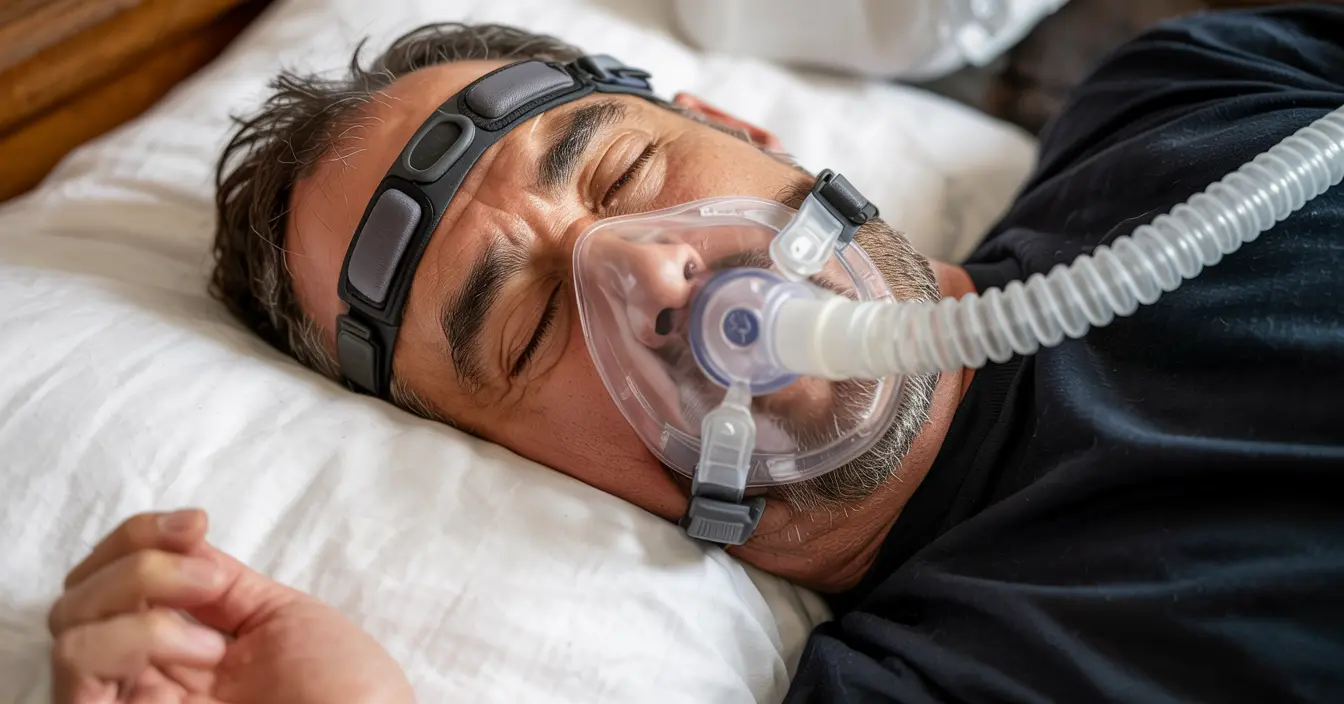
According to a 2016 PMC publication, obstructive sleep apnea (OSA) is a sleep disorder characterized by repeated pauses in breathing during sleep due to narrowing of the upper airway. This condition causes blood oxygen levels to drop drastically, which then triggers spikes in blood pressure, oxidative stress, and chronic inflammation of the blood vessels.
The combination of these factors creates a high cardiovascular burden, and in the long term, increases the risk of stroke, especially ischemic stroke in individuals with moderate to severe OSA.
A large 2025 MDPI meta-analysis showed that OSA increases the risk of stroke by about 2 times compared to the population without OSA.
According to the publication in PMC 2022, risk is higher if OSA is moderate to severe, characterized by a high frequency of apnea-hypopnea per hour of sleep (AHI).
Not only does it increase the risk of a first stroke, further studies in PMC 2024 also linked untreated OSA to a higher likelihood of recurrent stroke as well as a slower and less optimal post-stroke recovery process.
According to recent 2025 research from the European Society of Cardiology, many people with OSA are unaware that they have it. Classic symptoms like loud snoring, excessive daytime sleepiness, or chronic fatigue are often dismissed as normal or lifestyle-related. Because of this, sleep apnea is often referred to as a silent risk factor for stroke and heart disease.
If you want to read a more in-depth explanation about sleep apnea, its symptoms, diagnosis and prevention, check out the following article: Sleep Apnea and the Risk of Stroke.
Sleep apnea is more than just a sleep problem. If ignored, it can be a serious risk factor that increases the risk of sudden stroke. Early detection and treatment (such as using a CPAP machine or lifestyle changes) are crucial.
Bad cholesterol not only clogs heart vessels but can also trigger strokes if it attacks brain arteries. According to a publication in PMC 2022, high cholesterol, especially LDL (low-density lipoprotein) levels or also known as bad cholesterol, is one of the main risk factors for ischemic stroke.
When LDL levels are high, cholesterol builds up on artery walls, forming atherosclerotic plaque. If left untreated, this plaque can narrow or block blood vessels in the brain, or even rupture and trigger blood clots that can lead to stroke.
A meta-analysis study in the same journal (PMC 2022) showed that individuals with the highest LDL-C levels had approximately an 11% higher risk of ischemic stroke than those with the lowest LDL-C levels.
According to a 2022 medical review in Alodokter, plaque buildup due to high cholesterol also reduces artery elasticity and worsens blood vessel damage. The risk of stroke also increases, especially if high cholesterol is accompanied by other risk factors such as hypertension or diabetes.
High cholesterol sometimes doesn't cause obvious symptoms; the body may feel healthy, but plaque can continue to build up "silently." Therefore, regular lipid profile checks are highly recommended, especially for adults and those with other risk factors such as hypertension, obesity, or a family history of heart disease.
If you want to live a healthy lifestyle before considering protection, cholesterol control is one of the most important steps. Monitor saturated and trans fat foods, consume high-fiber, be active, and see your doctor regularly.

Excess weight is not only an aesthetic issue but also a trigger for various diseases that increase the risk of stroke. According to data from the Centers for Disease Control and Prevention (CDC) 2024, obesity or being overweight is one of the factors that increases the risk of stroke.
In addition, research published by National Institute of Diabetes and Digestive and Kidney Diseases (NIDDK) 2023 states that excess body fat can trigger chronic inflammation and blood vessel damage, increasing the risk of heart disease and stroke.
Therefore, maintaining an ideal body weight, not only for appearance but as part of a long-term health strategy, is very important to reduce the risk of stroke.

One of the habits that most damages blood vessels and increases the risk of stroke is smoking. According to 2025 data from the Centers for Disease Control and Prevention (CDC), smoking significantly increases the risk of stroke, because the chemicals in cigarettes such as nicotine and carbon monoxide can damage blood vessel walls, triggering inflammation, narrowing of the arteries, and blood clots.
Available meta-analyses show that active smokers have a higher risk of stroke than non-smokers, for example in a study published in PMC 2019, smokers showed an odds ratio (OR) ≈1.61 compared to non-smokers.
According to American Heart Association 2021, the combination of smoking and the use of hormonal contraceptives (such as birth control pills) can significantly increase the risk of ischemic stroke in women, especially when accompanied by other factors such as high blood pressure or age over 35 years. This combination creates a much higher risk than if these factors stood alone.
If you are an active smoker, the most effective step to reduce the risk of stroke and other cardiovascular diseases is to quit smoking now. A 2020 CDC study showed that quitting smoking can reduce inflammation, reduce the risk of blood clots, and improve circulation. This combination of benefits significantly reduces the risk of stroke.
Heart problems also directly affect blood flow to the brain. This is why coronary heart disease (CHD) is a cause for concern. Coronary heart disease (CHD) occurs when the coronary arteries supplying blood to the heart muscle become narrowed due to the buildup of atherosclerotic plaque. In a publication from American Stroke Association 2023, it is explained that this condition can trigger the formation of blood clots (thrombi) that, if they enter the brain's bloodstream, has the potential to cause an ischemic stroke.
The American Heart Association in 2024 noted that heart disease and stroke often occur together as part of a complex cardiovascular syndrome. This means that individuals with coronary heart disease or a history of heart attacks are more likely to experience a stroke within a given period.
This risk is also reinforced by findings in large studies published in a PMC-indexed scientific journal in 2023, which shows that people with heart disease, including coronary heart disease, are 2 to 4 times more likely to experience a stroke compared to the population without a history of heart disease.
Several types of autoimmune diseases, such as Systemic Lupus Erythematosus (SLE) and Antiphospholipid Syndrome (APS), can increase the risk of stroke, primarily due to their ability to trigger blood vessel inflammation and disrupt the blood clotting system. According to a 2019 PMC publication, lupus patients have about twice the risk of stroke compared to the general population. In fact, in younger age groups (under 50), the risk can increase up to tenfold.
A 2024 study in Frontiers in Immunology found that inflammatory autoimmune diseases such as lupus and APS are also associated with a significantly increased risk of ischemic stroke. These conditions often affect people of productive age and can present as early complications before a formal diagnosis is made.
Meanwhile, according to the results of an observational study published by PMC 2023, approximately 25.8% of patients with APS experience stroke, making APS one of the risk factors for stroke that needs to be watched out for even at a young age.

But if it is accompanied by an aura, the stroke risk is worth noting, especially in young women. According to a 2010 PMC publication, migraine, especially migraine with aura, is associated with a significantly increased risk of ischemic stroke.
The meta-analysis study found that the risk of stroke in migraine sufferers with aura was higher than in those who did not suffer from migraine. Further research also showed that the link between migraine and stroke primarily applies to migraine with aura, not migraine without aura.
According to reviews from American Headache Society 2017, women with migraine with aura, especially if accompanied by other risk factors such as smoking, use of birth control pills, or hypertension, have a higher risk of ischemic stroke compared to the group without migraine or migraine without aura..
Migraine with aura does not necessarily lead to stroke, but epidemiologically there is an association with a higher risk.
If you are among the group with migraine aura and have additional risk factors (such as young age, smoking, taking birth control pills, hypertension), it is a good idea to consult a doctor about risk management including blood pressure control, a healthy lifestyle, and regular monitoring of your condition.
This information is important as part of awareness that not only ‘classic’ factors such as hypertension and diabetes can trigger stroke migraine with aura is also worth being aware of.
Once you know the list of medical conditions that can silently trigger a stroke, the next step is to understand how to protect yourself as best as possible.
Many people think stroke is caused by a single factor, such as hypertension. However, as previously discussed, there are various underlying medical conditions that can increase stroke risk, even without obvious symptoms. Some conditions, such as diabetes, sleep apnea, or migraines with aura, are often not considered dangerous, but can lead to serious complications if left untreated.
It's also important to realize that stroke isn't just a threat to the elderly. Many cases occur in people of productive age and have a significant impact on quality of life and ability to work. For a deeper understanding, you can read our article on stroke at a young age and why you should be alert from now on.
Here are some steps you can take:
Routinely check your blood pressure, cholesterol, and blood sugar.
Be aware of symptoms such as heart palpitations, pauses in breathing during sleep, or recurring migraines.
Live an active lifestyle, maintain a healthy diet, and manage stress.
Consult your doctor about your risk of stroke if you have a chronic condition or family history.
Consider financial protection as an additional layer of security.
This is where comprehensive protection is crucial. One solution you might consider is stroke insurance from Oona.
Strokes can come on suddenly, and the cost of treatment is significant. From ICU admission, emergency procedures like thrombolysis or surgery, to recovery therapies like neurological rehabilitation and physiotherapy, all require significant time, effort, and expense.
This is where critical illness insurance, specifically stroke insurance from Oona, plays an important role.
Protection Feature | Explanation |
|---|---|
Cash Benefit Upon Diagnosis | The sum insured is paid immediately when you are diagnosed with a stroke. |
Flexible Usage | Funds can be used for medical expenses, transportation, recovery, or other family needs. |
Protection from a Young Age | Suitable for those of you who are still active, working, or at risk due to hereditary or lifestyle factors. |
No Hospitalization Requirement | Claims can still be made without having to be hospitalized. |
Easy Claim Process | Designed for convenience, without complicated bureaucracy. |
Disclaimer: The features above are a summary. For a complete explanation of benefits, limitations, and the claims process, please refer to the official policy or contact the Oona team.
With comprehensive coverage and a simple claims process, you can feel more prepared when facing the risk of stroke. Want to learn more about the cost and the right protection for you? Check Oona stroke insurance prices and benefits now.


