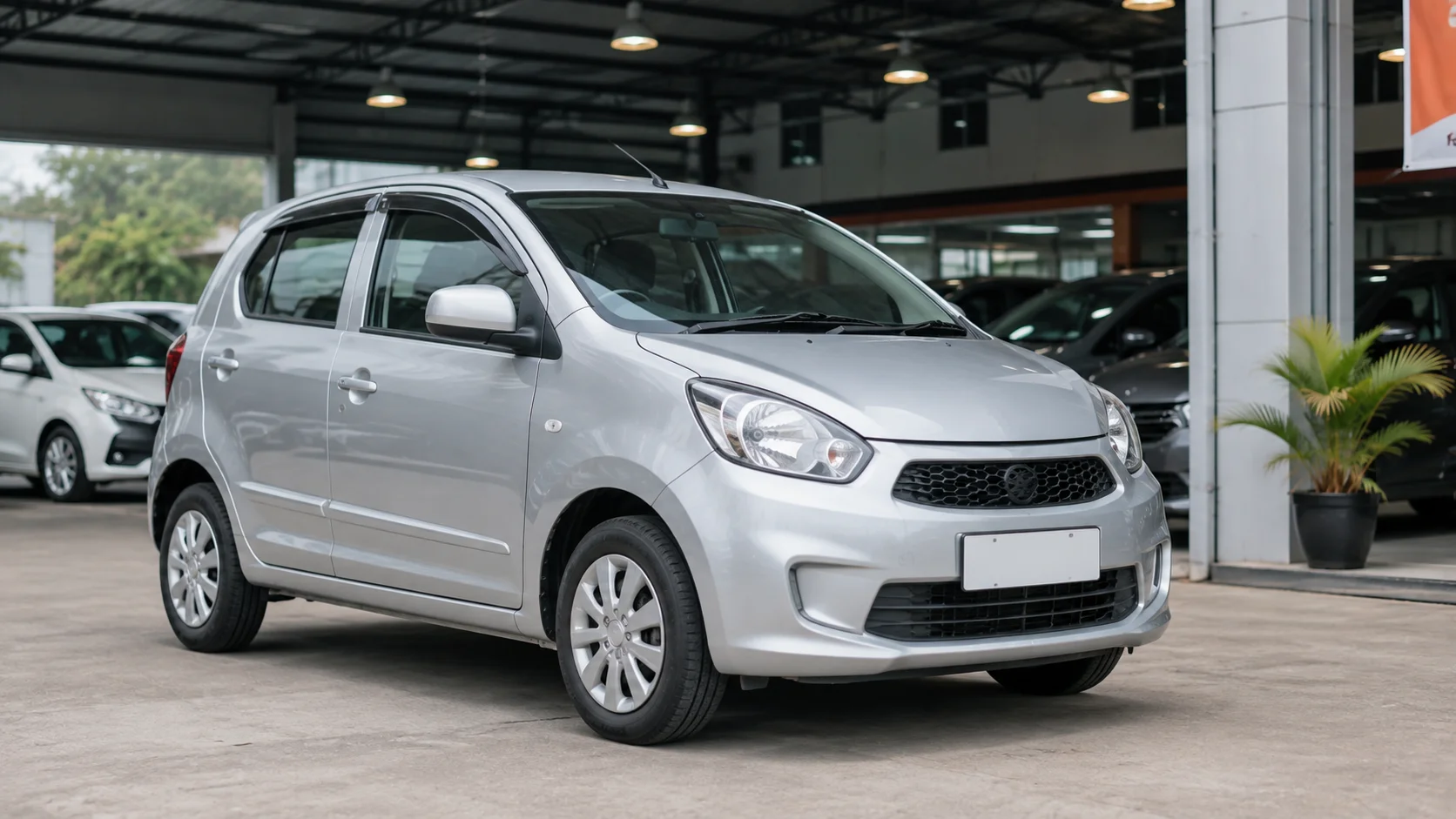
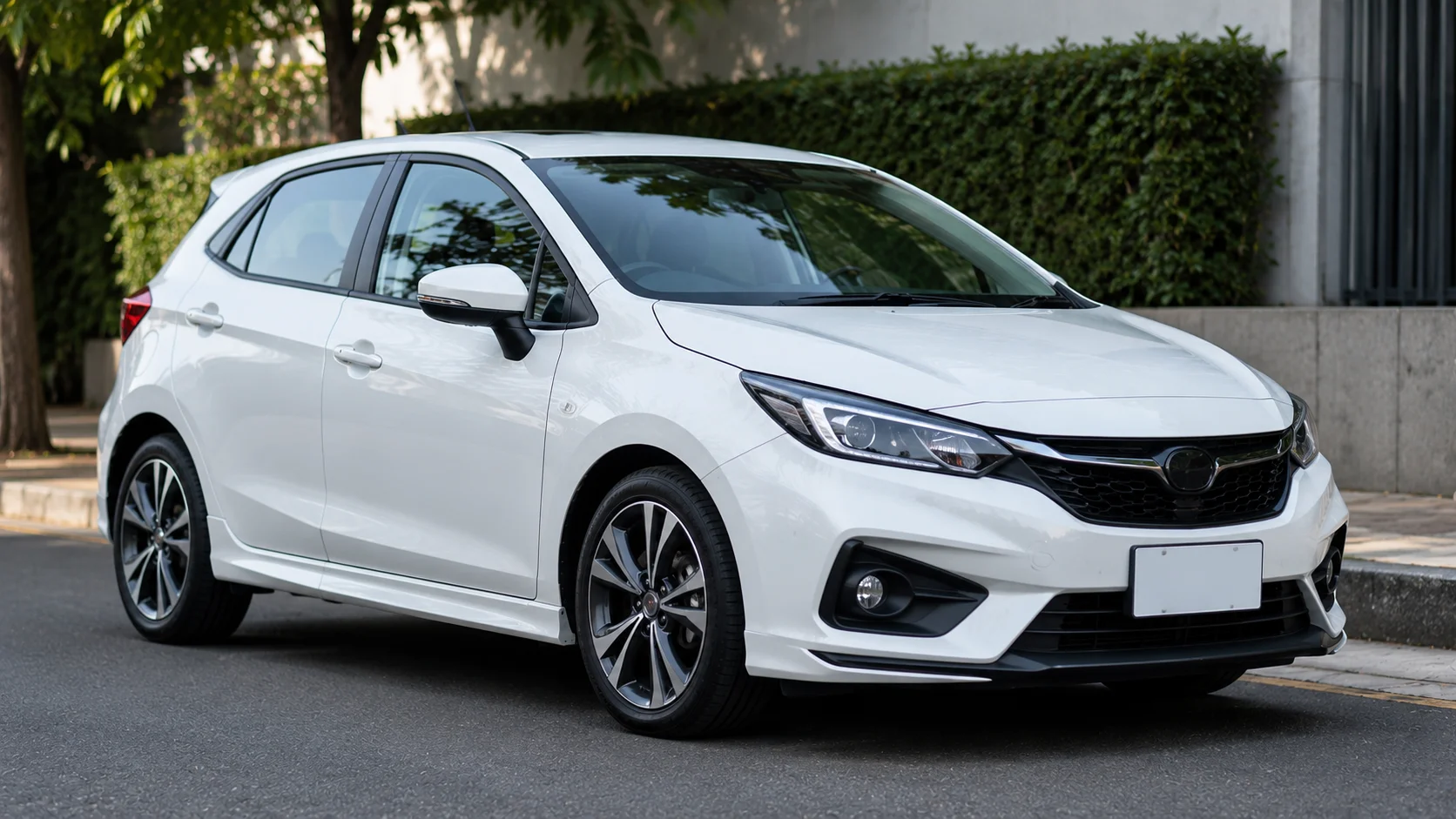
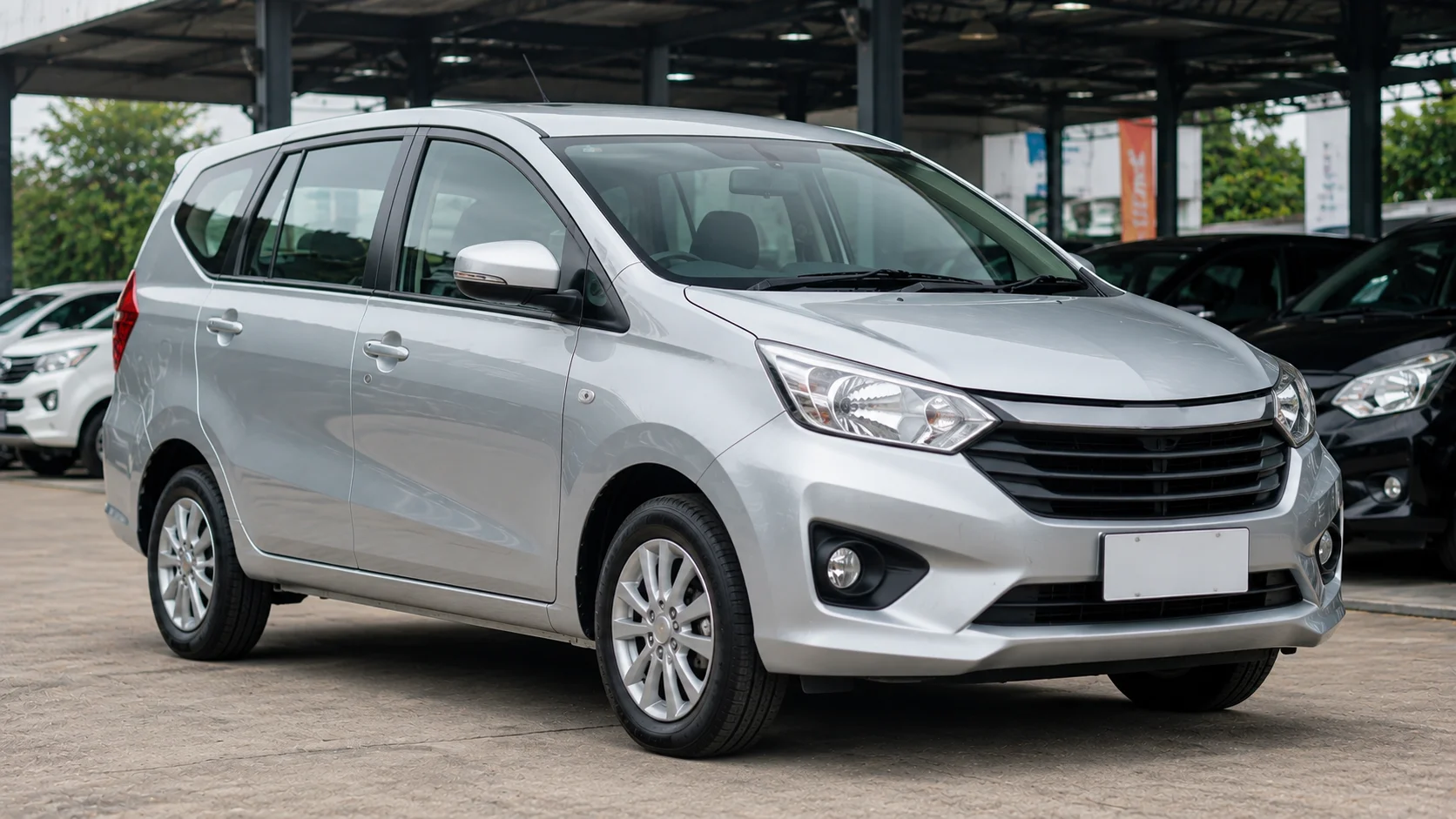
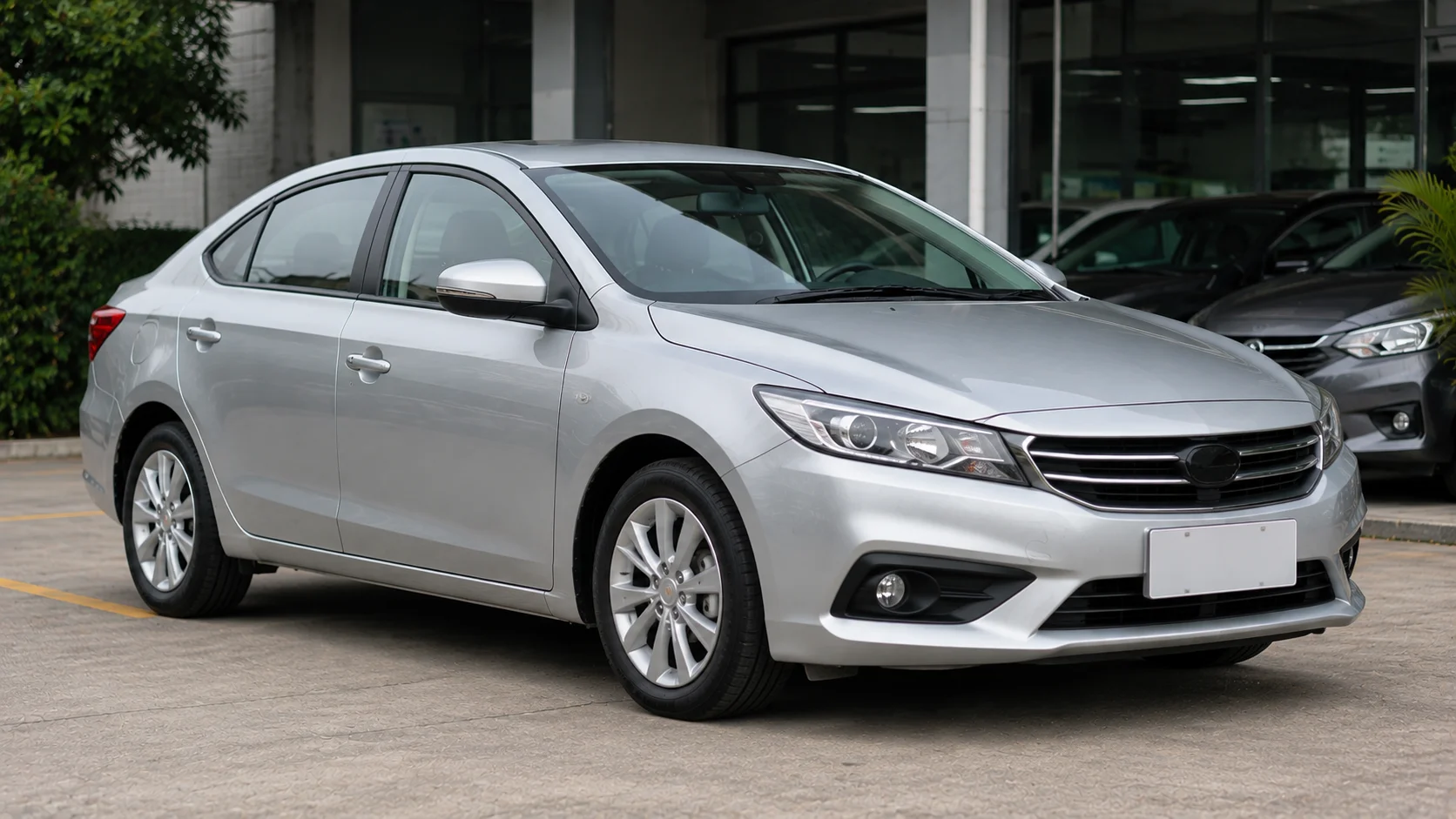
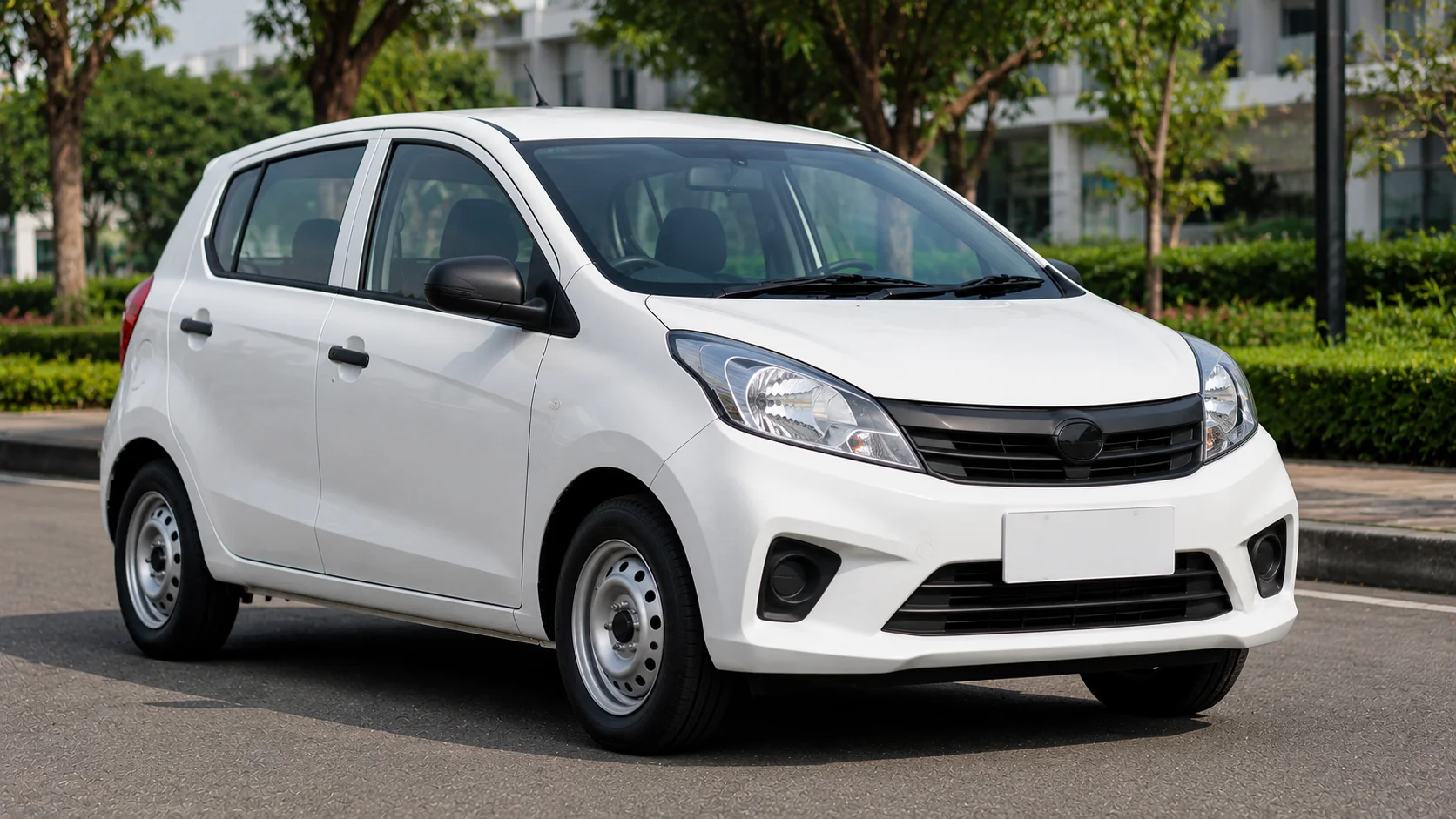
Some earlier-generation Low Cost Green Cars (LCGCs) can also be an alternative for those looking for a practical vehicle for everyday use. Depending on the model, production year, and condition, some units may be available within a budget of under IDR 100 million.
Although vehicle age can be one consideration, it should not be your only benchmark. The vehicle’s actual condition and maintenance history should still be checked before you decide to buy.
What to Check Before Buying a Used Car
Finding a car with the right price and model can certainly be exciting, but the process of choosing a used car should not stop at its appearance or the figure shown in the advertisement.
A more thorough inspection can help you understand the car’s condition while estimating the costs you may need to cover after the purchase. Here are several important things to consider.
1. Check the Exterior Condition
Start by examining the overall condition of the vehicle body. Check for differences in paint color, uneven panel gaps, rust, dents, or areas that appear to have been repaired.
These findings do not always mean that the vehicle has a major problem, but they can provide initial information about its condition and usage history. If you notice anything suspicious, ask the seller and carry out further checks.
2. Check the Engine Condition
The engine is one of the key areas to inspect when buying a used car. When the engine is started, pay attention to unusual noises, excessive vibration, fluid leaks, abnormal smoke, or warning lights on the instrument panel.
If you are not familiar with evaluating a vehicle’s technical condition, consider bringing a trusted mechanic or using a used-car inspection service. A pre-purchase inspection can provide a more comprehensive picture of the vehicle’s condition
3. Check the Undercarriage, Suspension, and Tires
The condition of the undercarriage and suspension affects both ride comfort and vehicle handling. During a test drive, listen for unusual noises when driving over uneven roads, turning, or braking.
Also check the condition of the tires, including the level of wear and whether the wear appears even. The condition of these components can also help you estimate whether maintenance or replacement may be required after buying the car.
4. Take a Test Drive
Do not assess the vehicle only while it is parked. If possible, take it for a test drive to understand how the car feels when driven.
Pay attention to engine and transmission response, steering, braking, suspension, cabin noise, and overall driving comfort. If possible, try the vehicle under different road conditions so you can get a more complete picture before making a decision.
5. Make Sure the Vehicle Documents Are Complete
In addition to the physical condition, the completeness and accuracy of the vehicle documents are also important to check before the transaction.
Make sure the information in the vehicle documents matches the car you intend to buy. Also check its tax status and other relevant information. If any data or documents are unclear, carry out further verification before making payment or taking delivery of the vehicle.
6. Calculate Post-Purchase Costs
Your car-buying budget should not cover only the vehicle price. Once ownership changes hands, there may be other expenses to prepare for, such as initial servicing, replacement of oil and other vehicle fluids, tires, the battery, certain components, taxes, and administrative costs.
Therefore, avoid using your entire budget solely for the purchase price. Setting aside additional funds can help you cover initial maintenance needs without placing too much strain on your finances.
7. Do Not Rush Just Because the Price Is Low
A price that is significantly lower than that of similar vehicles can certainly look attractive. However, before making a decision, find out what is behind the price difference.
Compare several vehicles with relatively similar models, production years, and conditions. Remember, the car with the lowest purchase price does not necessarily have the lowest ownership cost if it requires extensive repairs after purchase.
Tips for Choosing a Used Car Within Your Budget
Choosing the right used car is not only about finding a vehicle priced below IDR 100 million. Your choice should also suit your intended use and your ability to cover ownership costs after the purchase.
Here are several steps that can help you make a more considered choice.
1. Determine Your Main Needs
Before you start looking for a car, first determine how the vehicle will be used. Do you need it for your daily commute, family mobility, or weekend trips? Also consider the number of passengers who usually travel with you, the road conditions you frequently encounter, and your luggage-space needs.
Defining your needs from the outset can help narrow down your options so you are less likely to be tempted by an attractive vehicle that does not suit your everyday use.
2. Set Your Total Budget
Do not set your budget based on the vehicle purchase price alone. Calculate other costs that may arise after the transaction, such as a vehicle inspection, initial servicing, taxes, administrative costs, and component replacement if required.
By looking at the budget as a whole, you can get a more realistic picture of your financial ability to both purchase and maintain the vehicle.
3. Compare Several Options
Avoid immediately buying the first car that appears suitable. Compare several vehicles based on model, production year, condition, maintenance history, mileage, and asking price.
This comparison can help you understand market conditions while assessing the advantages and disadvantages of each vehicle before making your choice.
4. Check the Maintenance History
If available, ask for information about the vehicle’s service history. Maintenance records can provide an indication of how the car was cared for by its previous owner.
Review information on routine servicing, component replacements, and any repairs that have been carried out. The more complete the information, the more material you have to evaluate the vehicle’s condition.
5. Use an Inspection Service if Needed
Not everyone has an in-depth understanding of a vehicle’s technical condition. If you are not confident carrying out the inspection yourself, consider asking a trusted mechanic for help or using a vehicle inspection service.
A professional inspection can help identify certain conditions that may be difficult to detect through a visual check or a short test drive alone.
6. Set Aside Funds for Initial Maintenance
Even if the vehicle appears to be in good condition, you may still need to have it inspected or serviced after ownership changes hands.
Therefore, set aside part of your budget for initial maintenance. This can help ensure the vehicle is in suitable condition for use while reducing the risk of unexpected expenses after purchase.
Do Not Focus on Price Alone. Consider the Car’s Condition
Finding a used car for under IDR 100 million can certainly be an attractive option. However, the decision to buy a vehicle should not be based solely on an affordable-looking price.
The condition of the engine, transmission, undercarriage, tires, document completeness, and maintenance history can affect both the ownership experience and long-term costs. A car with a slightly higher price but better condition and maintenance history may be more suitable than a cheaper vehicle that requires extensive repairs.
Therefore, take the time to inspect the vehicle, compare several options, and calculate the overall cost of ownership. With careful consideration, you can choose a used car that fits not only your budget but also your everyday needs.
Complete Your Journey with Protection for Your Car
Once you have found the right car, your vehicle ownership journey is only beginning. In addition to regular servicing and maintenance, it is important to consider the various risks that may arise while the car is in use.
Damage caused by unexpected events, accidents, theft, and other risks can lead to significant costs. Therefore, car insurance can be considered as part of your vehicle protection planning.
You can also consider protection from Oona Insurance, which offers a range of car insurance plans that can be tailored to your needs and the condition of your vehicle. Before choosing a plan, make sure you understand the coverage benefits, covered risks, exclusions, sum insured, and applicable policy terms. For more information, read our guide on how to choose the best car insurance in Indonesia.
With proper vehicle maintenance and suitable protection, you can go about your daily activities with greater peace of mind.