globeimage

ENG

whitearrow

14 Mins read

Smart Budgeting During Eid: Managing THR Without Stress

Oona

Oona

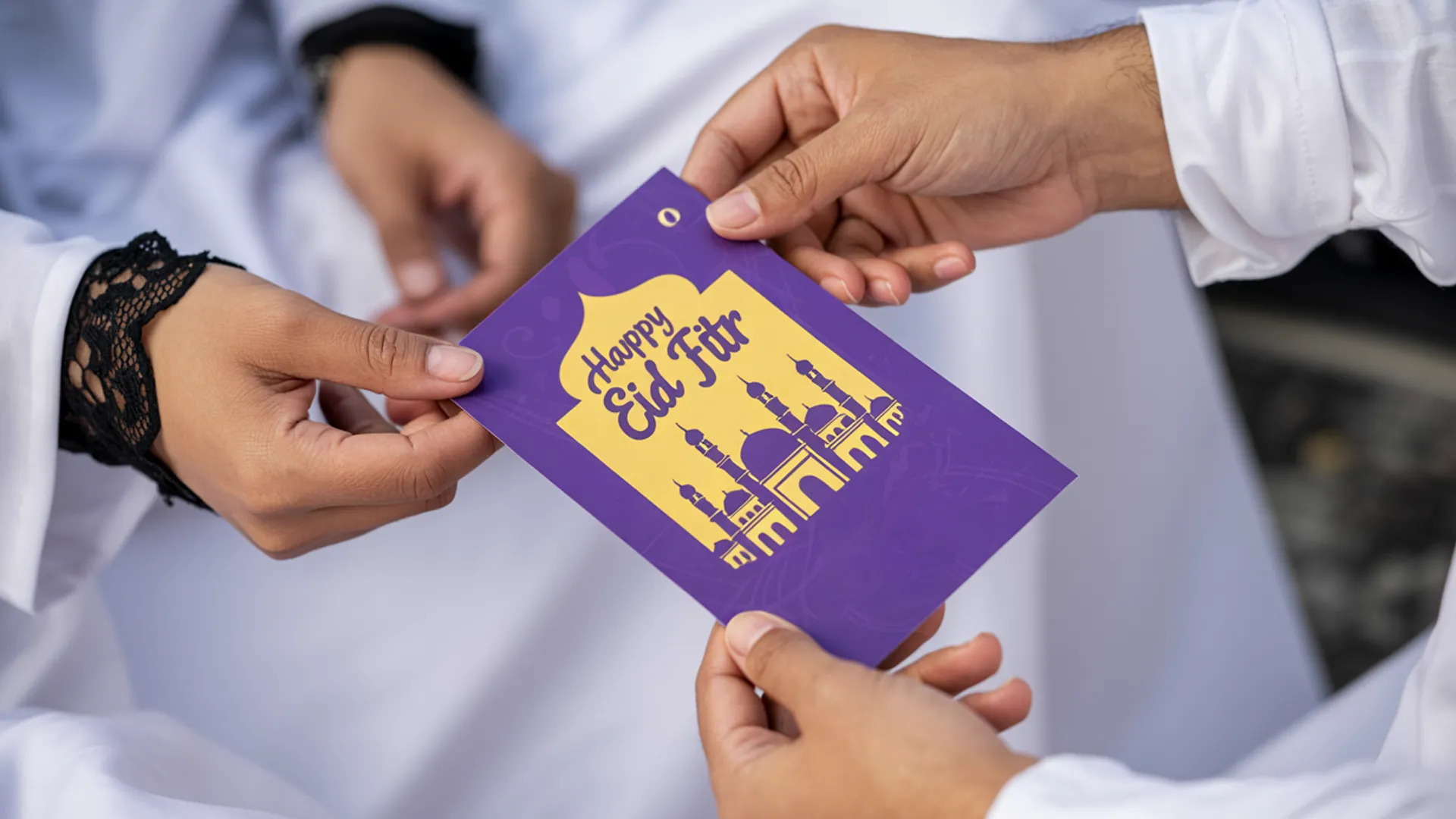
Smart budgeting during Eid

Eid is synonymous with joy, but it also brings a surge in expenses within a short period of time. Data shows that consumption and seasonal inflation increase during Ramadan and Eid al-Fitr. Without the right strategy, your THR may be depleted before the following month even begins. This article discusses how to manage your Eid budget using the 50/30/20 principle, anticipate the risks of homecoming travel and leaving your house unattended, and maintain stable cash flow before and after the holiday.

Smart Budgeting During Eid: Managing THR Without Stress

Eid is synonymous with happiness. This moment brings family visits, homecoming travel, and togetherness. However, behind the warm atmosphere, there is one aspect that is often overlooked: a surge in expenses within a short period.
 

Each year, household consumption increases significantly ahead of Eid al-Fitr. Bank Indonesia recorded that for the Ramadan and Eid al-Fitr 2026 period, it prepared Rp 185.6 trillion in cash, an increase compared to the previous year. This rise in cash demand reflects increased transaction activity and public consumption during that period.
 

On the other hand, Statistics Indonesia (BPS) recorded seasonal inflation during Ramadan. In March 2025, which coincided with the Ramadan period, Indonesia’s monthly inflation was recorded at 1.65 percent, with the food and beverage group being one of the main contributors. This figure was the highest for the month of Ramadan in the past five years and demonstrates a consistent pattern of price increases occurring ahead of Eid al-Fitr across various regions of Indonesia.
 

This means that not only do desires increase, but prices and overall economic activity also rise. For young executives and newly established families in Jakarta, this period becomes a test of cash flow management. Without careful planning, your THR can run out before the next month begins. 

The Post-Eid Financial Reality That Is Rarely Discussed

Most people focus on how to spend their THR, not on how to sustain themselves afterward.
 

In fact, after the long holiday, the following commonly occur:
 

  • Accumulated credit card bills

  • Reduced savings balances

  • Emergency funds being used

  • Vehicle servicing costs after homecoming travel

  • Unexpected expenses due to long-distance travel
     

If not managed strategically, the first month after Eid often feels heavier than a typical month. To prevent this scenario, planning the use of THR needs to be done in a structured manner, not reactively.

The 50/30/20 Eid Version Strategy for THR

THR is not merely a bonus. It is a seasonal financial stabilizer. Instead of dividing it without a plan, use the following structured approach.

More Controlled THR Allocation

Percentage

Allocation Focus

Example Use

Strategic Note

50%

Essential Needs

• Homecoming tickets or fuel and tolls

• Vehicle servicing before long-distance travel

• Basic household necessities

• Hosting family gatherings

Priority and non-deferrable. Ensure this category is secure before allocating to others.

30%

Social Obligations

• Eid envelopes

• Zakat and donations

• Social visits

Set a spending limit from the beginning. Discipline is important to avoid excessive emotional spending.

20%

Wants & Buffer

• New clothes

• Decorations

• Additional food

• Post-Eid reserve fund

Provides room to enjoy the moment while preparing a buffer for the weeks after Eid.


Disclaimer: This 50/30/20 distribution serves as a general guideline and may be adjusted according to financial conditions, number of dependents, and each family’s priorities. Re-evaluate the allocation if there are routine obligations or other urgent needs.

Allocation Simulation: If Your THR Is Rp 15 Million

Below is an example breakdown using the 50/30/20 principle:

Percentage

Fund Allocation

Amount

Notes

50%

Essential Needs

IDR
7.5 million

Homecoming tickets, fuel and tolls, vehicle servicing, basic necessities

30%

Social Obligations

IDR
4.5 million

Eid envelopes, zakat, donations, family visits

20%

Wants & Buffer

IDR
3 million

New clothes, decorations, additional food, and a buffer


Disclaimer: This simulation is illustrative. The amounts and percentages can be adjusted according to financial conditions, number of dependents, and each family’s obligations.


Additional Strategy: From the IDR 3 million in the last category, consider setting aside at least IDR 1 million as a post-Eid reserve. This fund helps maintain cash flow stability at the beginning of the following month without using your emergency fund.


However, a well-organized budget alone is not sufficient. The Eid period also brings increased risks that can disrupt financial plans if not anticipated from the outset.

Financial Risks That Are Often Overlooked During Eid

Eid is not only about shopping. It also brings higher exposure to risk.

1. Homecoming Travel Risks

Data from the Indonesian National Police Traffic Corps shows that traffic accidents increased during the 2025 Eid homecoming and return travel period. The report states that thousands of accidents occurred throughout the Eid operational period, in line with increased public mobility on land transportation routes. The increase in vehicle volume became the primary factor driving higher road risks.
 

Servicing your vehicle before homecoming is not merely about comfort, but part of financial risk mitigation against potential damage or accidents during long-distance travel.

2. An Empty House During Travel

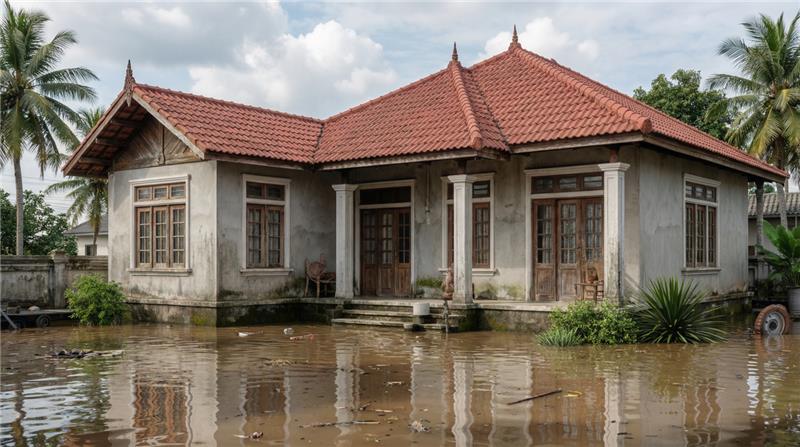
An empty house during travel


The National Disaster Management Agency (BNPB) recorded that 80,304 housing units were damaged due to hydrometeorological disasters throughout 2024. Risks such as flooding, strong winds, or extreme rainfall remain present even though the Eid period lasts only a short time.
 

A house left unattended tends to be more vulnerable to fire due to electrical short circuits or other disturbances. Allocating a budget for basic security measures, such as checking electrical installations or installing a simple monitoring system, is a rational preventive step compared to the potential cost of major repairs.

3. Health Risks During Dietary Changes

Changes in eating patterns and activities during Eid can increase the risk of health disturbances. Data cited by Suara.com from BPJS Kesehatan shows a significant discrepancy between the number of dengue fever claims and official reports, indicating that the burden on healthcare services due to seasonal illnesses may be greater than previously estimated.
 

This suggests that health risks can arise broadly and may lead to medical expenses that were not previously planned. In addition to understanding risks, controlling daily spending during the Eid period also determines whether the budget plan stays on target.

Budget Digitization for Better Control

Use a budgeting application or a simple spreadsheet to consistently record:
 

  • Envelopes that have been distributed

  • Food and additional consumption expenses

  • Travel and homecoming costs

  • Impulsive, unplanned expenses
     

Small expenses that go unrecorded often become the primary cause of budget overruns. Consistency in recording is far more important than the application being used.

Prioritize Asset Security Before Aesthetics

Prioritize asset security before aesthetics


The surge in mobility and activities during Eid increases risk exposure, whether related to vehicles, homes, or personal safety. Amid the focus on shopping and consumption, asset protection is often overlooked. In fact, a single incident can directly impact cash flow after the long holiday.
 

Before being tempted by Eid clothing discounts, conduct the following brief evaluation.

Asset Protection Checklist During Eid

Area

Main Risk

Financial Impact

Relevant Protection

Car

Accidents or damage during homecoming travel

Major repair costs and disruption to family mobility

Oona
Car Insurance

Motorcycle

Risk of theft or severe damage during high mobility

Significant loss due to theft or total damage

Oona
Motorcycle Insurance

Travel 

Injury or incidents during travel

Medical expenses and travel inconvenience

Oona Travel Insurance


Disclaimer: The information in this table serves as general reference for planning purposes. Protection needs and coverage benefits may vary depending on conditions, type of asset, and the terms of each policy.
 

During the Ramadan period, Oona Insurance is offering a special discount of up to 30% on insurance products tailored to your needs. This moment presents a timely opportunity to strengthen your financial protection with more efficient premium costs.
 

By identifying the main risks before the homecoming period begins, you are not only managing your budget, but also strengthening your financial system to remain stable after Eid.
 

The next step is ensuring that all planned expenses are truly controlled throughout the holiday period. After risks have been anticipated and assets secured, the following priority is to maintain financial stability once the high-consumption period ends.

Control Cash Flow After Eid

Many people focus on how to spend their THR, but rarely plan for the 30 days after the holiday. In fact, this phase often determines whether financial conditions remain stable or begin to feel strained.
 

After Eid, the following expenses usually arise:
 

  • Credit card bills from transactions before and during Eid

  • Replenishing savings balances that were used

  • Vehicle servicing costs after long-distance travel

  • Regular expenses resuming as usual
     

If not anticipated, financial pressure may feel heavier than in a typical month.

30-Day Post-Eid Strategy

To maintain stability, take the following steps:

1. Prioritize short-term obligations

Immediately allocate funds to pay credit card bills or installments to avoid additional interest charges.

2. Gradually restore your emergency fund

If part of your emergency fund was used, create a plan to replenish it within the next two to three months.

3. Evaluate actual spending versus the plan

Compare the prepared budget with actual spending. Identify categories that exceeded targets as lessons for the following year.

4. Avoid new financial commitments

After a period of high consumption, postpone major purchases or new installment commitments until cash flow returns to stability.
 

Ultimately, the Eid period can serve as a reflection of how strong the financial system you have built truly is.

A Momentum to Strengthen Your Financial System

The period after Eid can also become a moment for financial reflection. If you realize that your emergency fund was depleted too quickly or that a single incident nearly disrupted financial stability, this is a signal to strengthen your protection structure.
 

Healthy financial management is not only about controlled spending, but also about readiness to face risks without sacrificing long-term goals.
 

With disciplined planning before, during, and after Eid, you not only preserve the joy of the holiday, but also ensure that your financial foundation remains solid throughout the year.

Frequently Asked Questions

When is the best time to evaluate the family’s financial structure?

Answer
After a high-consumption period such as Eid is an appropriate time to review the strength of your emergency fund and asset protection.
Questions
When is the best time to evaluate the family’s financial structure?
Sequence Id
9
Tags

What indicates that a financial system is sufficiently stable?

Answer
The emergency fund is not used for consumption, short-term obligations can be paid on time, and cash flow remains positive after Eid.
Questions
What indicates that a financial system is sufficiently stable?
Sequence Id
10
Tags

What percentage of THR should ideally be used for Eid expenses?

Answer
The 50/30/20 approach can serve as an initial guideline. However, the percentages should still be adjusted according to your financial condition and number of dependents.
Questions
What percentage of THR should ideally be used for Eid expenses?
Sequence Id
1
Tags

Is insurance only relevant during the Eid period?

Answer
No. Protection functions throughout the year, but the Eid period increases risk exposure, making protection more relevant.
Questions
Is insurance only relevant during the Eid period?
Sequence Id
8
Tags

How can small expenses during Eid be controlled?

Answer
Record all transactions, including Eid envelopes and impulsive purchases, using a budgeting application or a simple spreadsheet.
Questions
How can small expenses during Eid be controlled?
Sequence Id
7
Tags

Does insurance replace an emergency fund?

Answer
No. An emergency fund and insurance serve different functions. An emergency fund maintains liquidity, while insurance transfers major financial risks.
Questions
Does insurance replace an emergency fund?
Sequence Id
11
Tags

Why do expenses often feel heavier after Eid?

Answer
Because there is usually an accumulation of bills, a decrease in savings balances, and the return of regular expenses occurring at the same time.
Questions
Why do expenses often feel heavier after Eid?
Sequence Id
3
Tags

Why do financial risks increase during the homecoming travel period?

Answer
High mobility increases the potential for accidents, vehicle damage, and the risk of leaving the house unattended.
Questions
Why do financial risks increase during the homecoming travel period?
Sequence Id
5
Tags

Can an emergency fund be used for Eid expenses?

Answer
An emergency fund should only be used for urgent and unforeseen situations, not for consumption that can already be planned.
Questions
Can an emergency fund be used for Eid expenses?
Sequence Id
4
Tags

How can Eid remain enjoyable without financial stress?

Answer
By planning THR allocation in a structured manner, consistently recording expenses, and anticipating risks before and during the homecoming travel period.
Questions
How can Eid remain enjoyable without financial stress?
Sequence Id
12
Tags

Is vehicle servicing before homecoming travel truly important?

Answer
Yes. Servicing before a long-distance trip helps reduce the risk of sudden damage that could trigger significant expenses.
Questions
Is vehicle servicing before homecoming travel truly important?
Sequence Id
6
Tags

Should THR be fully spent during Eid?

Answer
No. Ideally, part of the THR should be set aside as a post-Eid reserve to ensure that cash flow in the following month remains stable.
Questions
Should THR be fully spent during Eid?
Sequence Id
2
Tags

Manage Your THR Strategically, Celebrate Eid Without Financial Pressure

Get a Free Quote