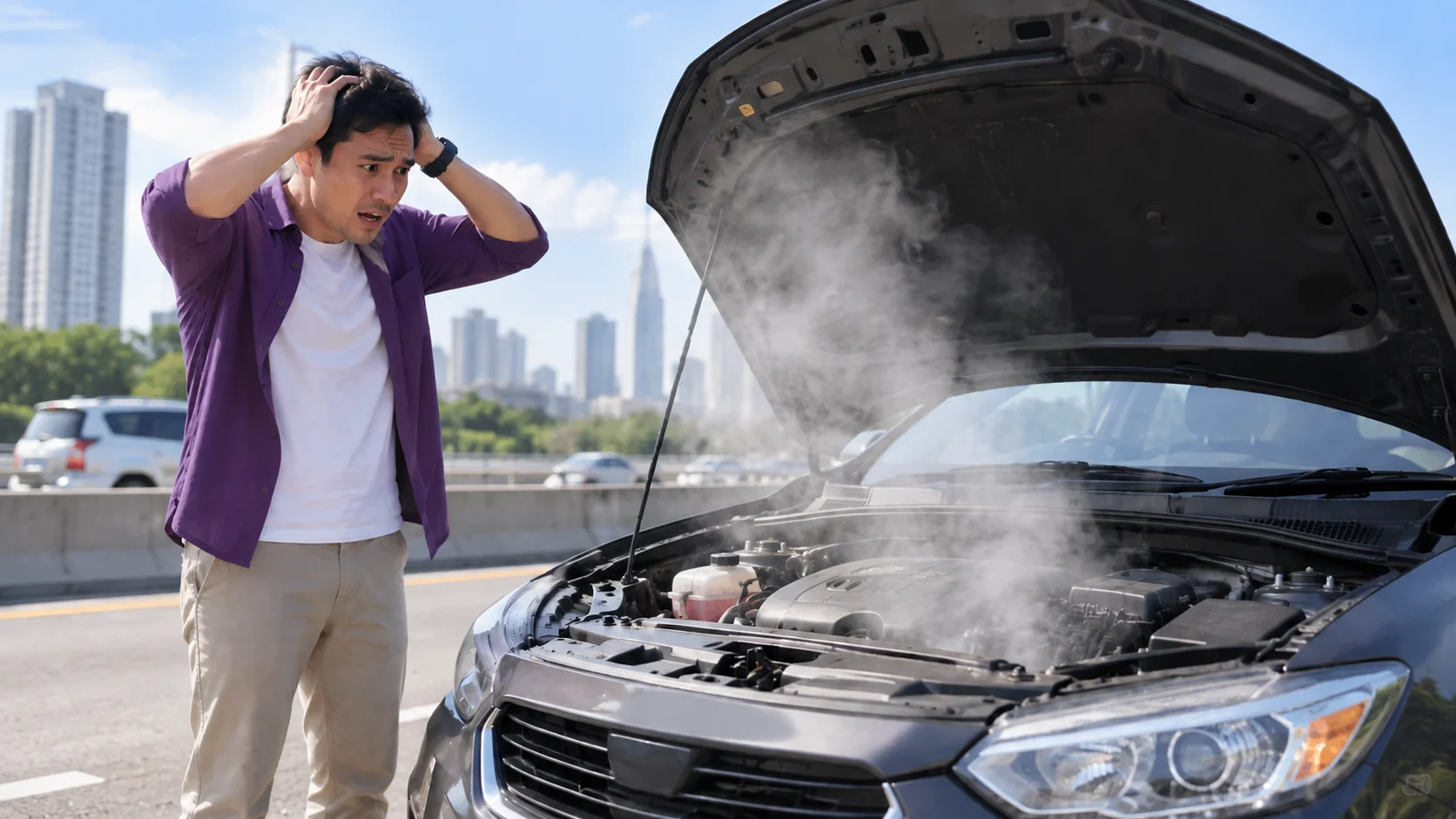
Car Overheating on the Road: Causes and How to Handle It
Cars remain an important part of mobility in Indonesia. Statistics Indonesia, or BPS, reported in its 2024 Land Transportation Statistics publication that motor vehicles remain a major part of land transportation in the country. The data also shows that passenger cars accounted for around 10.94 percent of registered motor vehicles in 2024, up from 10.86 percent in 2023.
With vehicles used extensively for daily mobility, their condition and maintenance deserve close attention. One issue that can occur while driving is overheating, a condition in which the engine temperature rises beyond its normal operating range.
A car can overheat when it is stuck in traffic, climbing an incline, traveling a long distance, or even during normal daily use. Causes can include low coolant, leaks in the cooling system, radiator problems, a faulty radiator fan, or problems with the thermostat or water pump.
If the engine temperature continues to rise and the vehicle is forced to keep moving, excessive heat can damage engine components and potentially lead to higher repair costs.
That is why drivers should recognize the signs of overheating, understand its possible causes, and know the safer steps to take when engine temperature begins to rise.
What Is Car Overheating?
Car overheating occurs when the engine temperature rises too high and the cooling system can no longer keep it within its normal operating range.
When the engine is running, combustion and friction between components generate heat. The cooling system helps regulate this temperature so the engine can continue operating properly. A car cooling system generally includes several key components, such as:
Coolant atau cairan pendingin, yang menyerap panas dari mesin.
Radiator, yang membantu melepaskan panas dari coolant ke udara.
Kipas radiator, yang membantu mengalirkan udara melewati radiator terutama ketika kendaraan bergerak lambat atau berhenti.
Water pump, yang membantu mensirkulasikan coolant melalui sistem pendingin.
Thermostat, yang mengatur aliran coolant berdasarkan temperatur mesin.
Selang dan reservoir, yang membantu menyimpan serta mengalirkan coolant di dalam sistem.
If one of these components does not work properly, the system may become less effective at controlling engine heat and the engine temperature may rise.
What Happens to the Engine When a Car Overheats?
Vehicle engines are designed to operate within a certain temperature range. The cooling system helps absorb and release the heat produced by the engine. When the system develops a problem, heat can build up faster than it can be dissipated.
For example, low coolant means there is less fluid available to absorb heat. A radiator fan that is not working can reduce airflow when the vehicle is stopped or moving slowly. A faulty thermostat or water pump can also disrupt coolant circulation.
If the condition continues, excessive temperature can affect various engine components. In serious cases, extreme heat can deform or damage parts and lead to more extensive repairs. A rising temperature indicator should therefore not be ignored even if the vehicle still seems driveable.
Signs That a Car Is Overheating
A vehicle usually shows several warning signs when engine temperature begins to become a problem. Recognizing them early can help the driver act before the situation becomes more serious. Here are several signs of overheating to watch for:
Sign
|
What to Look For
|
|---|
Temperature indicator rises
|
The temperature gauge moves above its normal position or approaches the warning area. In some vehicles, the indicator may appear as a warning light or digital message.
|
Dashboard warning appears
|
A warning light or message related to engine temperature or the cooling system may appear on the instrument panel.
|
Steam is visible from the engine compartment
|
Steam from under the hood can indicate a cooling system problem. Avoid opening any part of the cooling system while it is still hot.
|
Engine performance changes
|
The engine may lose power, run abnormally, or respond differently than usual.
|
An unusual smell appears
|
The smell of coolant, rubber, or overheated components may indicate a problem.
|
Fluid is visible under the vehicle
|
Leaking coolant may be visible under the vehicle or around the engine compartment. The location of visible fluid does not necessarily indicate the actual source of the leak.
|
Disclaimer: The signs above do not always mean the car is overheating because some symptoms may be related to other vehicle problems. Pay attention to the temperature indicator and dashboard warnings. If the temperature keeps rising, steam appears, there is a leak, or engine performance changes abnormally, stop in a safe place and have the vehicle checked further.
Most Common Causes of Car Overheating
Overheating is not a single type of failure. It can be a symptom of various problems involving the cooling system or the engine.
1. Low or Leaking Coolant
Coolant plays an important role in absorbing heat from the engine and carrying it to the radiator. If the coolant level drops, the cooling system may become less effective at controlling temperature.
Leaks can occur in hoses, connections, the radiator, reservoir, water pump, or other components. If coolant frequently drops even after being topped up, identify the cause of the fluid loss rather than simply refilling it.
2. Radiator Problems
The radiator helps release heat from the coolant into the air. A dirty, clogged, leaking, or damaged radiator can reduce the effectiveness of heat dissipation.
3. Radiator Fan Is Not Working Properly
The radiator fan helps increase airflow through the radiator when needed. This becomes especially important when the car is moving slowly or stopped in traffic because less natural airflow passes through the radiator.
Problems with the fan, fan motor, relay, sensor, or related electrical system can cause engine temperature to rise.
4. Thermostat Problems
The thermostat regulates coolant flow based on engine temperature. If it cannot open or operate properly, coolant flow to the radiator may be disrupted, reducing the system's ability to release engine heat.
5. Water Pump Problems
The water pump circulates coolant through the engine and radiator. If it is damaged or cannot circulate coolant effectively, engine temperature can rise even when the coolant level is sufficient.
6. Damaged Cooling System Hoses
Cracked, loose, or leaking hoses can allow coolant to escape from the system. Damage to connections or other supporting components can also disrupt cooling system pressure and circulation.
7. Internal Engine Problems
In some cases, overheating may be related to internal engine problems such as gasket damage or other component failures. These issues usually require further inspection by a technician because the cause cannot always be identified through a visual check alone.
Why Can a Car Overheat in Traffic?
A car whose engine temperature rises in traffic but remains relatively normal on a clear road can provide an initial clue about which components may need inspection.
When a vehicle is moving, air naturally passes through the radiator and helps release heat. When the vehicle is stopped or moving very slowly, airflow decreases and the radiator fan plays a greater role.
If the temperature rises mainly in traffic, the radiator fan and its supporting system are among the components that should be checked.
However, this does not automatically mean the radiator fan is the only cause. Coolant level, radiator, thermostat, water pump, and other components should still be inspected.
Differences Between Overheating in Traffic, on Clear Roads, and on Inclines
The situation in which overheating occurs can provide an initial clue about which parts of the vehicle may need inspection. For example, rising temperature in traffic may be related to airflow or radiator fan performance, while overheating on an incline can occur when the engine is working under a heavier load. Here are several situations to consider:
Condition
|
Possible Components to Check
|
Notes
|
|---|
In traffic or at low speed
|
Radiator fan, coolant, radiator, airflow
|
The fan plays a greater role when natural airflow decreases
|
On a clear road
|
Coolant, radiator, thermostat, water pump
|
Coolant circulation and heat dissipation issues should still be checked
|
On an incline or under heavy load
|
Cooling system and engine condition
|
A heavier engine load can generate more heat
|
Occurs repeatedly
|
Cooling system or engine problems
|
Do not simply add coolant without identifying the cause
|
Disclaimer: The table above provides only a general overview of components that may need inspection based on when overheating occurs. The actual cause can vary depending on the condition and type of vehicle. If the car overheats repeatedly or the temperature rises again after the engine has cooled, have the vehicle inspected at a workshop to identify the cause.
What Should You Do When Your Car Overheats on the Road?
If the temperature indicator rises abnormally or an overheating warning appears, do not ignore it. Prioritize safety and avoid actions that could increase the risk of vehicle damage or injury. Here are steps you can take if your car overheats on the road:
Step
|
What to Do
|
|---|
1. Find a safe place to pull over
|
Reduce speed and move the vehicle to a safe location without obstructing traffic. Prioritize the safety of the driver and passengers.
|
2. Reduce engine load
|
If it is not yet possible to stop safely, turn off the air conditioning to help reduce engine load. Once you find a safe location, stop the vehicle.
|
3. Turn off the engine if the temperature is too high
|
If the indicator shows a very high temperature or a serious warning appears, turn off the engine once the vehicle is in a safe location. Follow the owner's manual if available.
|
4. Do not open the radiator cap immediately
|
A hot cooling system may still be pressurized. Opening the radiator cap while the engine is hot can cause hot coolant or steam to spray out and may cause burns.
|
5. Wait until the engine has cooled sufficiently
|
Allow the engine and cooling system temperature to drop before inspecting the vehicle. Do not rush to open any part of the cooling system.
|
6. Carry out a visual inspection
|
Once the engine has cooled sufficiently and conditions are safe, check for coolant leaks, damaged hoses, or other visible signs of a problem.
|
7. Check the coolant after the engine has cooled
|
If the vehicle needs coolant, use the type of fluid and procedure recommended by the manufacturer. Do not pour coolant into a system that is still extremely hot.
|
8. Do not force the journey to continue
|
If the temperature rises again, there is a major leak, steam continues to appear, or the engine does not run normally, do not continue driving. Contact a technician or towing service to take the vehicle to a workshop.
|
Disclaimer: How to handle an overheating car can vary depending on the make, model, and condition of the vehicle. Always follow the instructions in the owner's manual. If you are unsure about the engine or cooling system condition, avoid inspecting it yourself and seek professional assistance.
Can You Open the Radiator Cap Immediately When the Car Overheats?
It is not recommended. When the engine overheats, coolant inside the cooling system can be at a very high temperature and pressure. Opening the radiator cap while the system is still hot can cause hot coolant or steam to escape suddenly and may result in burns.
Wait until the engine and cooling system have cooled sufficiently before carrying out an inspection. If you are unsure about the vehicle's condition, seek professional assistance rather than taking the risk of opening the cooling system yourself.
Common Mistakes When a Car Overheats
When a car overheats, the driver's response can influence how serious the problem becomes. Some actions that may seem simple can actually increase the risk of injury or worsen vehicle damage. Here are common mistakes to avoid:
Mistake
|
Why It Should Be Avoided
|
|---|
Opening the radiator cap immediately
|
Sistem pendingin yang masih panas dapat berada dalam kondisi bertekanan. Coolant atau uap panas dapat menyembur ketika tutup dibuka dan berisiko menyebabkan luka bakar.
|
Forcing the car to keep moving
|
Mesin yang terus bekerja dalam kondisi temperatur terlalu tinggi berisiko mengalami kerusakan yang lebih serius. Jangan memaksakan perjalanan hanya karena bengkel atau tujuan dianggap sudah dekat.
|
Ignoring the temperature indicator
|
Mobil yang masih dapat bergerak bukan berarti temperatur mesin berada dalam kondisi aman. Indikator yang meningkat perlu segera diperhatikan.
|
Only adding coolant
|
Coolant yang terus berkurang dapat menandakan adanya kebocoran atau masalah lain. Menambahkan coolant tanpa mencari penyebabnya tidak menyelesaikan sumber masalah.
|
Using an unsuitable fluid
|
Sistem pendingin setiap kendaraan dapat memiliki spesifikasi berbeda. Gunakan coolant dan prosedur yang direkomendasikan pabrikan.
|
Pouring water over a hot engine carelessly
|
Perubahan temperatur secara tiba tiba pada komponen yang sangat panas sebaiknya dihindari. Biarkan mesin mendingin secara bertahap dan ikuti prosedur kendaraan.
|
Restarting the engine repeatedly
|
Jika temperatur masih terlalu tinggi atau penyebab overheat belum diketahui, menyalakan mesin berulang kali dapat kembali menghasilkan panas dan memperburuk kondisi.
|
Assuming the problem is solved once the engine cools
|
Temperatur yang kembali normal tidak berarti penyebab overheat sudah hilang. Kebocoran, kipas, thermostat, water pump, atau komponen lain masih dapat bermasalah.
|
Disclaimer: If the car repeatedly overheats, the temperature rises again after restarting the engine, or there are leaks or other unusual symptoms, have the vehicle inspected by a technician before using it again.
Can You Keep Driving After the Car Overheats?
Not always. A temperature reading that returns to normal after the car stops and the engine cools does not automatically mean the vehicle is safe to continue driving.
What matters most is identifying the cause of the overheating. If the problem comes from a coolant leak, radiator, fan, thermostat, water pump, or another component, the temperature may rise again once the engine is running.
Before considering continuing your journey, assess the condition of the vehicle. Do not force the car to continue if:
Indikator temperatur kembali meningkat setelah mesin dinyalakan.
Uap kembali muncul dari ruang mesin.
Terlihat kebocoran coolant atau cairan dalam jumlah besar.
Mesin kehilangan tenaga atau bekerja tidak normal.
Muncul suara, bau, atau peringatan dashboard yang tidak biasa.
Penyebab overheat belum diketahui dan kondisi kendaraan diragukan.
If any of these conditions occur, roadside assistance or towing may be safer than risking more serious engine damage.
How to Prevent Car Overheating
Car overheating cannot always be predicted, but regular inspection and maintenance of the cooling system can help reduce the risk. Do not wait for the temperature indicator to rise before paying attention to the cooling system.
1. Check the Coolant Level Regularly
Coolant helps absorb heat from the engine and carry it to the radiator. Check the coolant level according to the owner's manual and make sure it remains within the recommended range.
If the coolant level keeps dropping over a relatively short period, do not simply keep topping it up. This may indicate a leak or another problem that needs inspection.
2. Use Coolant Recommended by the Manufacturer
Coolant type, specification, mixture, and replacement interval can vary by vehicle. Use products and procedures that follow the manufacturer's recommendations.
Avoid mixing coolants or using substitute fluids without knowing the specifications of the vehicle's cooling system.
3. Check the Radiator Condition
The radiator plays an important role in releasing heat from the coolant. Leaks, blockages, or damage can reduce cooling efficiency.
Watch for signs such as fluid leaks or unusual physical damage to the radiator and have it inspected if you notice a problem.
4. Inspect Hoses, Connections, and the Reservoir
Cooling system hoses can crack, harden, loosen, or become damaged as the vehicle ages and is used.
Also inspect the connections and coolant reservoir. Problems in these areas can cause coolant loss and interfere with cooling system performance.
5. Make Sure the Radiator Fan Works Properly
The fan helps move air through the radiator, especially when the vehicle is moving slowly or stopped and natural airflow is reduced.
If engine temperature tends to rise when the car is stuck in traffic or stopped but drops again once the vehicle moves, the fan system is one component that should be checked. However, the condition still needs proper diagnosis because the fan may not be the only cause.
6. Check the Water Pump and Thermostat
The water pump circulates coolant, while the thermostat regulates its flow according to engine temperature. A problem with either component can reduce the cooling system's ability to control temperature. A technician should inspect the vehicle if either component is suspected.
7. Service the Vehicle Regularly
Regular servicing involves more than oil changes. The cooling system should also receive attention according to the vehicle's maintenance schedule and recommendations.
Regular inspections can help identify leaks, worn components, or other problems before they develop into overheating.
8. Do Not Ignore the Temperature Indicator
Make a habit of monitoring the temperature indicator and warning lights on the dashboard.
If the indicator moves away from its normal position or a temperature warning appears, do not wait until steam comes from the engine compartment before taking action.
What to Do If Your Car Overheats on a Toll Road
Overheating on a toll road requires extra caution because vehicles are traveling at high speeds. Your first priority should be getting the vehicle and passengers to a safer location rather than immediately inspecting the engine.
If the temperature indicator rises while you are on a toll road:
Reduce your speed gradually. Avoid sudden braking or abrupt maneuvers unless necessary.
Find a safe place to stop. Move the vehicle to a permitted and safe stopping area based on the road conditions.
Turn on the hazard lights after stopping. This helps alert other road users that your vehicle has stopped or is experiencing a problem.
Keep the driver and passengers in a safe position. Avoid standing in areas exposed to passing traffic and follow the applicable toll road safety procedures.
Do not open the radiator cap immediately. Wait until the cooling system has cooled sufficiently because the coolant may still be at a very high temperature and pressure.
Contact roadside assistance if the vehicle is not safe to drive. Call toll road assistance or a towing service if the temperature rises again or the vehicle shows signs of a mechanical problem.
Do not force the car to continue driving just to reach an exit, rest area, or repair shop if the temperature indicator shows that the engine is still overheating.
Car Insurance for Unexpected Events
A car can overheat due to various cooling system problems, from low or leaking coolant to issues with the radiator, fan, thermostat, or water pump. Recognizing the early signs and taking appropriate action can help prevent the condition from developing into more serious damage.
Prevention remains important. Regular checks of the coolant, radiator, fan, hoses, and routine vehicle servicing can help keep the cooling system working properly. If the car has overheated before, make sure the cause has been identified and addressed before using the vehicle again, especially for a long trip.
Mechanical problems are not the only risks drivers may face. Accidents, collisions, vehicle theft, and other unexpected events can also lead to significant costs.
Alongside routine vehicle maintenance, car owners can also consider financial protection through Oona Car Insurance. Coverage options can be selected based on the vehicle's needs and the types of protection available.
Keep in mind that damage caused by overheating or mechanical problems is not automatically covered by car insurance. Coverage depends on the cause of the incident, the type of coverage, benefits, exclusions, and the applicable policy terms and conditions.