Car Insurance Claim Process at a Glance
In general, these are the steps you should follow:
Ensure everyone involved is safe and secure at the accident scene.
Take photos or videos of your vehicle, the damage, and the surrounding area.
Record the details of any third parties and witnesses, if applicable.
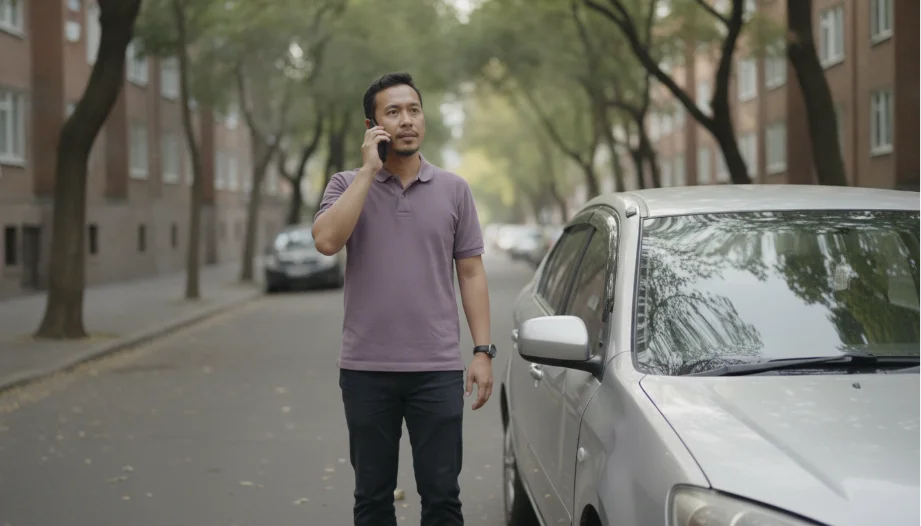
Report the incident to your insurance provider within the timeframe specified in your policy.
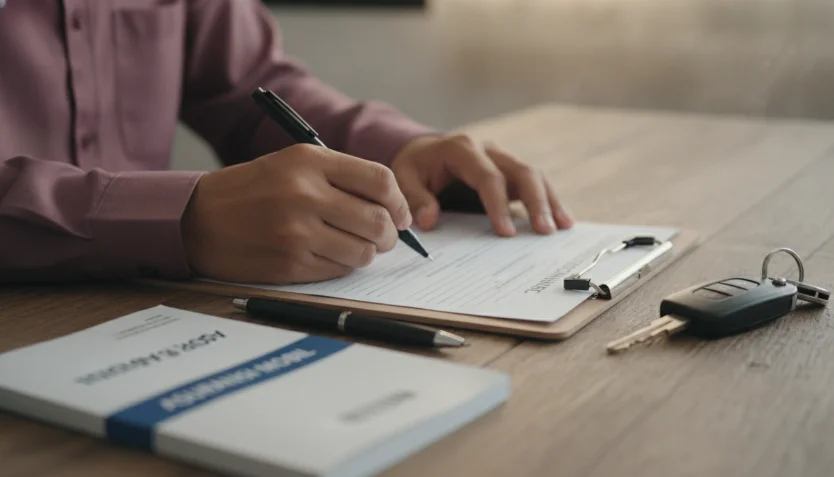
Complete the claim form, prepare your vehicle documents, and obtain a police report if required.
Do not repair your vehicle until you receive approval or further instructions from your insurance provider.
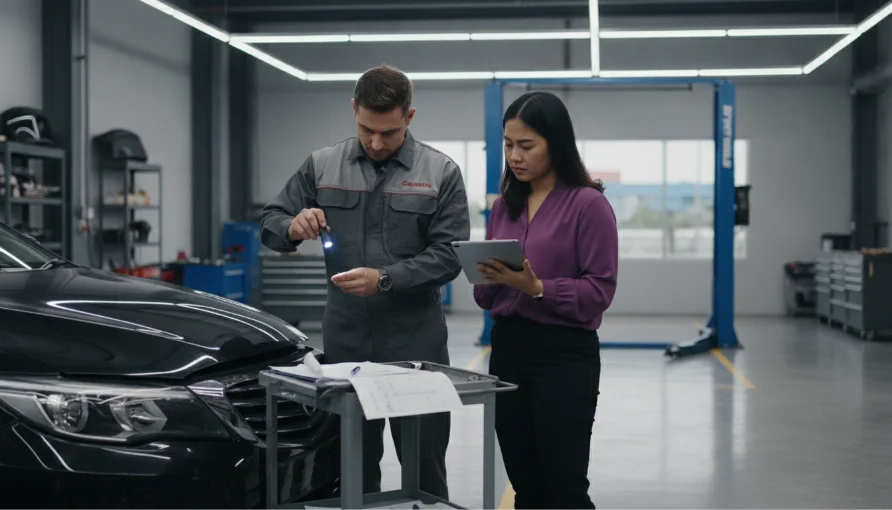
Follow the vehicle inspection, claim approval, and repair process at the designated repair shop.
What Is a Car Insurance Claim?
A car insurance claim is a formal request submitted to your insurance provider to receive benefits for a covered loss under your policy. Depending on the circumstances and your policy terms, the claim may result in vehicle repairs, reimbursement of approved expenses, or compensation for theft or total loss.
Filing a claim does not automatically mean that all damages will be covered. Before approving your claim, your insurance provider will assess the circumstances of the incident, your policy coverage, exclusions, supporting documents, the condition of your vehicle, and any applicable deductible.
Why It's Important to Understand the Car Insurance Claims Process
Accidents, theft, flooding, and vehicle damage can happen without warning. For historical context, 2024 data from Indonesia's Central Statistics Agency (BPS) recorded 139,258 road traffic accidents nationwide. Meanwhile, the 2024 TechSci Research report provides insight into the scale of the motor insurance market, while CEIC data offers historical context on non-life insurance claims.
In an emergency, emotional stress often causes vehicle owners to overlook important steps, such as failing to take sufficient photos, reporting the incident too late, providing inconsistent accounts of what happened, or repairing the vehicle before it has been inspected. These mistakes can delay the verification process and, depending on the terms of the policy, may even result in a claim being denied.
Simply having car insurance is not enough. You also need to understand how to use your coverage correctly so that your policy can provide the protection you need when an incident occurs.
Before looking at the claims process in detail, it's important to understand what risks are typically covered by car insurance. Knowing your policy's coverage will help you determine whether a particular incident is likely to be eligible for a claim.
What Does Car Insurance Usually Cover?
Type of Coverage
|
General Description
|
|---|
Accidental Damage
|
Covers repair costs resulting from collisions, crashes, or other incidents covered under the policy.
|
Theft or Total Loss
|
Provides compensation if the vehicle is stolen or declared a total loss in accordance with the policy terms.
|
Natural Disasters (if included as an add-on)
|
Covers damage caused by floods, earthquakes, falling trees, and other natural disasters included in the policy's optional extensions.
|
Third-Party Liability (if included as an add-on)
|
Covers damage or losses suffered by a third party for which the insured is legally liable, up to the policy limit.
|
Personal Accident (if included)
|
Provides benefits for the driver or passengers, subject to the coverage and limits specified in the policy.
|
Disclaimer: Coverage, benefit limits, deductibles, and exclusions vary by policy. Always review your Policy Summary and Policy Wording before submitting a claim.
Understanding Your Coverage Before Filing a Claim
The claims process starts with understanding the type of coverage you have purchased. In Indonesia, the two most common types of car insurance are Total Loss Only (TLO) and Comprehensive (All Risk) coverage. Each provides different levels of protection and has different claim eligibility requirements.
How Claims Work Under a Total Loss Only (TLO) Policy
A Total Loss Only (TLO) policy generally provides coverage when your vehicle suffers severe damage that meets the policy's total loss threshold or is stolen. Minor damage, such as scratches, small dents, or cracked windows, is typically not covered under a TLO policy.
How Claims Work Under a Comprehensive Policy
A Comprehensive (All Risk) policy may cover both partial damage and total loss, subject to the terms and conditions of your policy. Coverage can include minor damage caused by collisions, accidents, or malicious acts by third parties. However, policyholders should also be aware of the applicable deductible for each claim.
Commonly Overlooked Coverage Extensions
Protection against floods, earthquakes, riots, and third-party liability is often available only as optional policy extensions. Claims for risks that are not included in your policy or activated as an add-on are generally not covered. Learn more in our guide to the differences between TLO and Comprehensive (All Risk) car insurance.
When and Where Should You File a Car Insurance Claim?
Report the incident as soon as it is safe to do so. Do not assume that every policy has the same reporting deadline. Some insurers require claims to be reported within hours, while others allow several days. Always refer to your own policy for the applicable time limit.
Claims can usually be submitted through the insurer's official website or mobile app, hotline, WhatsApp, online claim form, branch office, or authorized repair workshop. To ensure your claim is properly recorded, use only the official channels listed in your policy documents or on your insurer's website.
If you're insured with Oona, you can start your claim through the Oona Claims page. To confirm the latest requirements and available submission channels, you can also contact the Oona Claims team.
How to File a Car Insurance Claim
Filing a car insurance claim may seem complicated, but the process becomes much easier when you know what to do from the start. From ensuring everyone's safety at the accident scene to completing the vehicle repair process, each step plays an important role in ensuring your claim is processed smoothly.
1. Ensure Everyone's Safety First
Before thinking about your insurance claim, make safety your top priority. If anyone is injured, contact emergency services immediately. If it is safe and necessary to do so, move your vehicle to a secure location to prevent further danger. Turn on your hazard lights and place a warning triangle if available.
2. Document the Vehicle Damage and Accident Scene
Take clear photos and videos of your vehicle from multiple angles before anything changes. Capture the damaged areas, the vehicle's position, road conditions, traffic signs, weather, and any other vehicles or objects involved. Make sure the images are well lit and the license plate is clearly visible.
3. Collect Information from Third Parties and Witnesses
If another party is involved, record their name, phone number, vehicle registration number, and any other relevant details. If there are witnesses, ask for their contact information. Avoid admitting fault or agreeing to any private settlement before documenting the incident and consulting your insurance provider.
4. Report the Incident to Your Insurance Provider
Provide the date, time, and location of the incident, a brief description of what happened, the vehicles involved, the extent of the damage, whether there were any injuries, and whether a third party was involved. Request a claim reference or registration number, and note the name of the representative handling your report.
5. Complete the Claim Form and Police Report (If Required)
Complete the claim form accurately and ensure it matches your original account of the incident. For theft, major accidents, criminal acts, or claims involving third parties, your insurer may require a police report or official police statement. Submit all required documents within the specified deadline.
6. Follow Instructions for Vehicle Recovery and Authorized Repair Shops
Do not repair your vehicle before receiving approval from your insurer. If the vehicle is not drivable, ask whether towing services are available and follow the approved recovery procedures. Take the vehicle to the authorized repair shop or inspection location designated by your insurance provider.
7. Complete the Inspection, Approval, and Repair Process
A claims surveyor will inspect the vehicle to verify that the damage matches the reported incident and supporting documents. Once the repair scope has been approved, the authorized workshop can begin the repairs. Ask which repairs have been approved, what costs (if any) you are responsible for, and the estimated repair timeline.
Documents Required for a Car Insurance Claim
Submitting complete documentation helps your insurance provider verify your identity, vehicle details, the circumstances of the incident, and your policy coverage. The documents commonly required include:
Document
|
Description
|
|---|
Policy Document or Policy Summary
|
Proof of insurance coverage, policy period, and applicable benefits.
|
Claim Form
|
The insurer's official claim form, completed and signed.
|
Driver's License
|
Proof that the driver holds a valid license for the type of vehicle being driven.
|
Vehicle Registration Certificate
|
Proof of the vehicle's identity and registration status.
|
National ID or Policyholder's Identification
|
Used to verify the identity of the policyholder or the person submitting the claim.
|
Photos or Videos of the Incident
|
Evidence documenting the vehicle damage, accident scene, and any other parties involved.
|
Police Report (if required)
|
May be required for theft, major accidents, criminal acts, or third-party claims, depending on the insurer's requirements.
|
Supporting Expense Receipts (if approved)
|
For example, towing receipts or other approved out-of-pocket expenses.
|
Additional Documents
|
Any other documents required based on the type of claim, vehicle ownership, financing arrangements, or verification requirements.
|
Disclaimer: The required documents vary depending on the type of incident, your policy, and your insurer's requirements. Confirm the required documentation when you first report the incident, and keep copies of everything you submit.
For more detailed guidance, read our articles on car insurance claim requirements and what to do after a car accident.
Common Car Insurance Claim Scenarios and How to Handle Them
Not every car insurance claim arises from the same type of incident. The situation you experience can affect the documents required, how the claim is handled, and the factors you should consider before filing a claim. Understanding some of the most common scenarios can help you respond appropriately when they occur.
Minor Damage from a Scrape or Minor Collision
Document the damage and the accident scene, record the other party's details if applicable, and report the incident within your policy's reporting deadline. Before filing a claim, compare the estimated repair cost with your policy deductible to determine whether making a claim is worthwhile.
Collision Involving Another Vehicle
Prioritize everyone's safety and contact the authorities if anyone is injured, there is a dispute, or traffic is disrupted. Take photos showing the position and damage to both vehicles, record the other driver's details and license plate number, and collect witness contact information if available. Do not change your account of the incident or make a private settlement that could complicate the claims verification process.
Vehicle Damaged by Flooding
Do not start the engine if your vehicle has been submerged, as doing so may cause further damage. Contact your insurance provider for recovery assistance and confirm that flood coverage is included as an active policy extension. You can also read our guide on what to do if your car is trapped in a flood.
Vehicle Stolen
Report the theft to both the police and your insurance provider as soon as possible. Prepare the official police report, all vehicle keys, proof of ownership, and any other documents requested by your insurer. Theft claims generally require a longer verification and investigation process than damage claims.
Tips to Help Prevent Your Car Insurance Claim from Being Rejected
A successful claim depends not only on the type of damage but also on following the requirements and procedures outlined in your policy. Simple mistakes, such as reporting the incident too late or repairing the vehicle before receiving approval, can delay the claims process or even result in your claim being denied. The following tips can help your claim proceed more smoothly.
Do Not Repair or Alter the Damage Before Approval
You may move the vehicle if necessary for safety reasons or if instructed by the authorities, but document its condition first whenever possible. Do not repair, dismantle, or replace any damaged parts until your insurance provider has given approval.
Report the Incident Promptly
Follow the reporting deadline stated in your policy, and do not delay notifying your insurer simply because you have not yet gathered all the required documents. Many insurers allow you to submit an initial report first and provide additional documents afterward.
Provide Honest and Consistent Information
Your description of the incident, the vehicle's use, the driver's identity, and the condition of the vehicle should all be accurate and consistent. Inaccurate information, including undeclared modifications or vehicle usage, may affect the outcome of your claim.
Understand Your Policy's Exclusions and Optional Coverage
Do not assume that every type of loss is automatically covered. Review your policy's exclusions, coverage territory, permitted vehicle use, authorized drivers, and any optional extensions such as flood protection or third-party liability.
Keep Evidence and Records of All Communications
Keep your claim reference number, claim forms, photos, emails, messages, the names of the representatives you spoke with, and the dates and times of your communications. Well-organized records make it easier to track your claim and consistently explain the circumstances of the incident if needed.