Why Is Europe an Attractive Winter Holiday Destination?
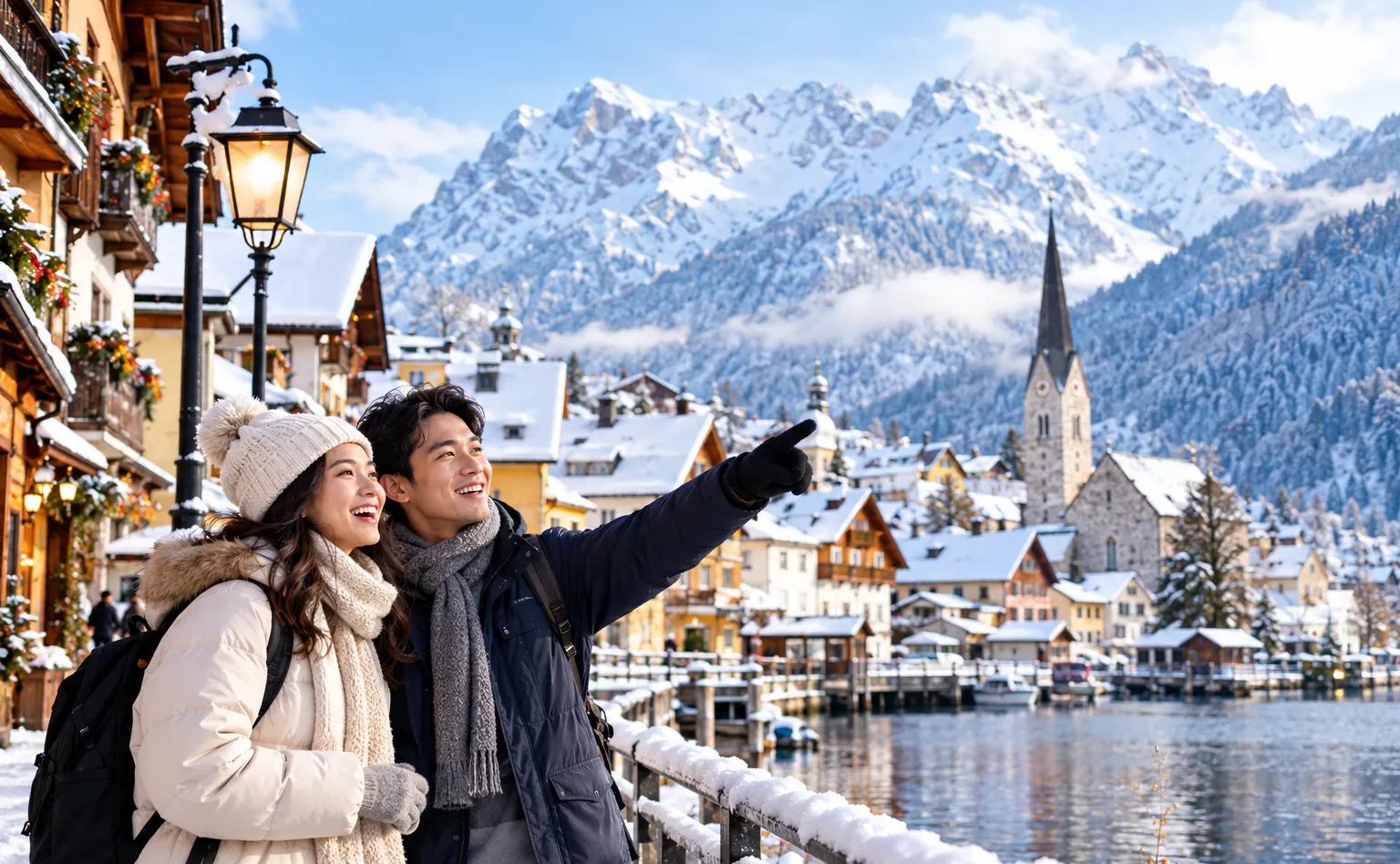
A winter holiday in Europe offers a unique experience for Indonesian travelers. From traditional Christmas markets in Germany and Austria to the snow-covered Alps in Switzerland and historic cities illuminated with festive lights, there is something special to discover at every destination.
Winter in Europe generally lasts from December to February, making it an exciting time to enjoy light festivals, skiing activities, and snowy cityscapes. However, weather conditions vary across countries. Temperatures in some regions can drop below 0°C, while mountainous areas may experience significantly colder conditions.
For Indonesian travelers accustomed to a tropical climate, these conditions require extra preparation. Beyond cold temperatures, risks such as slippery roads, weather-related transportation delays, delayed baggage, and emergency medical needs should also be anticipated.
Therefore, understanding potential travel risks is an important part of planning a winter holiday. This article explores common risks Indonesian travelers may face during winter in Europe, essential safety tips, estimated travel costs, and the importance of choosing suitable travel insurance.
Several popular destinations offer different winter experiences:
Switzerland: Admire the breathtaking Alpine scenery, enjoy panoramic train journeys, and experience skiing in Zermatt or the Jungfrau region.
Austria: Visit traditional Christmas markets in Vienna and Salzburg while enjoying classical music performances.
Germany: Explore Christmas markets in Munich, Nuremberg, and other historic cities.
France: Experience the winter atmosphere in Paris, Strasbourg, or the mountainous region of Chamonix.
Northern Italy: Discover the Dolomites, known for their spectacular mountain landscapes and winter sports activities.
However, not all parts of Europe experience snowfall throughout winter. Cities in lower-altitude areas may experience rain or cold weather without snow, while mountainous regions generally have a higher chance of snowfall.
Common Risks Faced by Indonesian Travelers During Winter in Europe
1. Extremely Cold Temperatures and Difficulty Adjusting
The temperature difference between Indonesia and Europe can reach several tens of degrees Celsius. Travelers accustomed to tropical weather may feel uncomfortable when walking, waiting for transportation, or spending extended periods outdoors.
Prolonged exposure to cold temperatures can also increase the risk of hypothermia and frostbite, especially when clothing becomes wet or the body is exposed to strong winds.
How to Prepare: Use a layered clothing system consisting of thermal innerwear, fleece or sweaters, and a windproof and waterproof jacket. Complete your winter outfit with gloves, a hat, scarf, and warm socks.
2. Slippery Roads Due to Ice and Snow
Snow that melts and refreezes can form a thin layer of ice, known as black ice, which can be difficult to see. This increases the risk of slipping, even on city sidewalks, station stairs, and areas around hotels.
How to Prepare: Wear winter shoes with non-slip soles and good traction. Avoid rushing, especially when carrying luggage or walking downhill.
3. Train, Flight, or Bus Delays
Europe has an integrated transportation network, but heavy snowfall, frozen railway tracks, fog, and strong winds can disrupt travel schedules. A disruption to one journey can affect subsequent connections, particularly when an itinerary includes several cities or countries within a short period.
How to Prepare: Avoid tight connections. Monitor updates through official airline and railway operator apps, and allow extra time before your return flight.
4. Delayed Baggage or Luggage Arriving Separately
Traveling from Indonesia to Europe often involves connecting flights. When flight disruptions or schedule changes occur, checked baggage may arrive later than passengers.
This situation can be particularly inconvenient during winter because travelers need warm clothing immediately upon arrival.
How to Prepare: Keep personal medications, travel documents, chargers, thermal innerwear, and a change of clothes in your carry-on baggage. Wear or carry your winter jacket so you remain protected if your checked luggage is delayed.
5. Health-Related Risks
Cold, dry air can cause cracked skin, dry lips, and respiratory discomfort. Excessive physical activity, lack of sleep, and temperature changes can also affect your physical condition during the trip.
Healthcare expenses abroad may become an unexpected financial burden, especially if travelers require medical examinations or emergency treatment.
How to Prepare: Stay hydrated, get enough rest, use moisturizer, and bring necessary personal medications. Also, review the emergency medical benefits of your travel insurance before departure.
6. Risks Associated with Skiing or Snowboarding
Skiing and snowboarding are major attractions in the Alps. However, these activities carry injury risks from falling, losing balance, or colliding with other slope users.
Beginners who have not yet mastered braking techniques or speed control may face a greater risk of accidents when attempting slopes beyond their abilities.
How to Prepare: Choose beginner-friendly slopes, wear a helmet and appropriate protective equipment, and consider taking lessons with an instructor. Also, make sure your travel insurance policy covers the winter sports activities you plan to participate in.
7. Shorter Daylight Hours and Limited Outdoor Activities
In December, daylight hours in many European cities are shorter than in summer. In Amsterdam, for example, the sun generally sets around 4:30 PM in late December. This can limit the time available for outdoor sightseeing, particularly when visiting several attractions in one day.
How to Prepare: Schedule nature visits, parks, and photography activities during daylight hours. Use the late afternoon or evening to visit museums, restaurants, shopping centers, or Christmas markets that are still open.
8. Higher Hotel Prices and Limited Availability During Peak Season
The Christmas and New Year holiday period can increase demand for hotels, flights, and transportation in popular destinations. Accommodation near train stations, city centers, or ski resorts may also sell out more quickly.
How to Prepare: Book hotels and transportation early, compare cancellation policies, and prioritize locations with convenient access to public transportation.
Estimated Cost of a Winter Holiday in Europe
The cost of a winter holiday in Europe depends on the destination countries, travel duration, exchange rates, and planned activities.
As a general guide, here is an estimated budget for a 10-day trip from Jakarta for one person traveling on a budget to mid-range basis.
Expense Category
|
Estimated Cost
|
|---|
Round-trip flights
|
IDR 10,000,000–18,000,000
|
Accommodation for 9 nights (shared room)
|
IDR 6,000,000–12,000,000
|
Food and beverages
|
IDR 3,000,000–5,000,000
|
Local and intercity transportation
|
IDR 2,000,000–5,000,000
|
Attraction tickets and activities
|
IDR 1,500,000–4,000,000
|
Total Estimated Cost
|
IDR 22,500,000–44,000,000
|
Disclaimer: The figures above are planning estimates, not actual prices or official offers. The estimates exclude Schengen visa fees, travel insurance, personal shopping, and specialized skiing activities. Costs may vary depending on the destination, exchange rates, holiday season, and booking period.
To save money, consider visiting cities connected by rail, minimizing hotel changes, and booking intercity transportation in advance.
How to Prepare for Travel Risks Before Departure
1. Check the Weather in Every City
Review temperature forecasts, snowfall predictions, and wind conditions for all destinations. Do not rely solely on the weather in one city, especially if your itinerary includes mountainous regions.
2. Build Extra Time into Your Itinerary
Allow additional time for train connections, flights, and activities. Avoid scheduling intercity travel too close to your return flight.
3. Choose Appropriate Shoes and Clothing
Wear layered clothing, a waterproof jacket, and shoes with good traction. Adjust your clothing to the conditions at your destination, as winter clothing requirements in Paris may differ from those in the Alps.
4. Keep Essential Items in Your Carry-On Baggage
Store your passport, visa documents, personal medications, chargers, valuables, and basic winter clothing in your carry-on baggage, in accordance with airline regulations.
5. Save Emergency Numbers and Important Contacts
Keep contact details for your hotel, airline, transportation operators, and the nearest Indonesian embassy or diplomatic mission. The general emergency number 112 is available in European Union countries and several other European countries.
6. Check Schengen Visa Requirements
Indonesian travelers holding ordinary passports generally need a Schengen visa for tourism in countries within the Schengen Area.
For short-stay visas, Schengen travel medical insurance generally requires minimum coverage of €30,000, including emergency medical expenses and repatriation, subject to applicable requirements.
Schengen visa applications can generally be submitted up to six months before the intended trip and should be lodged at least 15 calendar days before departure. However, applying earlier is strongly recommended to allow for appointment availability and administrative processing.
Why Is Travel Insurance Important for Winter Holidays in Europe?
Winter travel comes with different risks compared to holidays during other seasons. Extreme temperatures, transportation disruptions, delayed baggage, and winter sports activities can result in unexpected additional expenses.
Even when travelers take various preventive measures, such as preparing appropriate clothing, monitoring weather conditions, and carefully planning their itineraries, unexpected incidents can still occur during the trip.
Therefore, travel insurance is an important form of protection that can help reduce the financial impact of risks that cannot be completely avoided.
Oona Travel Insurance for Schengen can be considered to help protect your journey according to the benefits, terms, and conditions of the policy, including coverage related to emergency medical needs, travel disruptions, and certain baggage issues.
For travelers planning to ski or snowboard, it is important to check the availability of additional winter sports coverage. Not all sports activities are automatically included in standard coverage, so make sure the protection you choose matches your planned holiday activities.