10 Must-Visit Destinations in Japan Beyond Tokyo and Osaka
Japan is one of the favorite overseas holiday destinations for Indonesian travelers. Tokyo's metropolitan energy and Osaka's celebrated food scene make both cities appealing, but Japan has many other destinations that offer equally memorable experiences.
From historic cities filled with traditional temples and snow-covered mountain regions to tropical beaches, every part of Japan has something unique to offer. Some cities also provide a more relaxed atmosphere than the country's busiest tourist hubs.
If you're planning a holiday in Japan, exploring places beyond Tokyo and Osaka is a great way to discover the country's culture, cuisine, and natural beauty. Here are 10 Japanese destinations worth adding to your itinerary, complete with attractions, local dishes, and practical travel tips.
1. Kyoto – Experience Traditional Japanese Culture
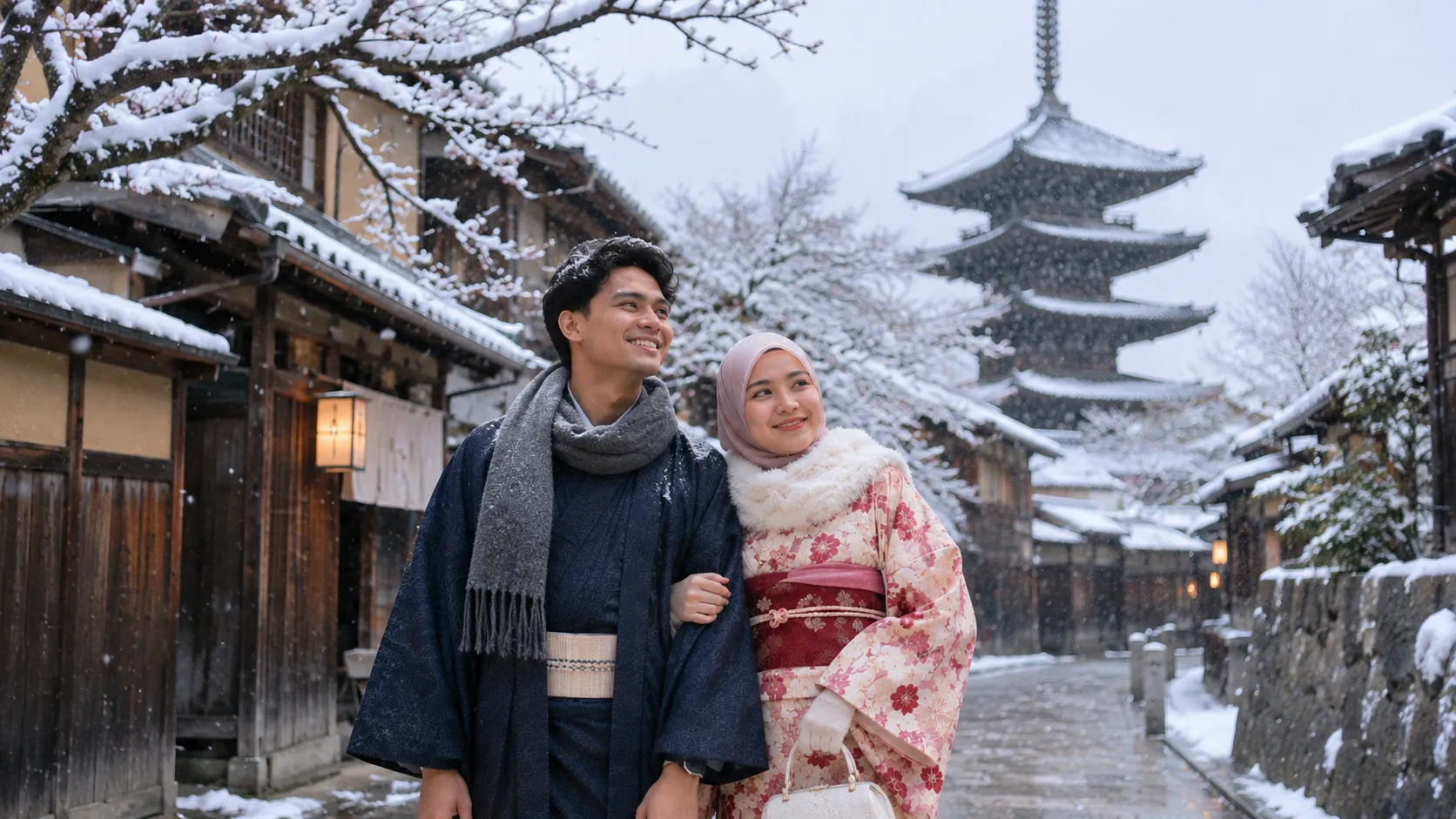
Kyoto is a must-visit Japanese city, especially for travelers interested in history and traditional culture. Once Japan's capital, it is known for its historic temples, Japanese gardens, traditional wooden houses, and geisha districts.
Popular attractions include Fushimi Inari Taisha, with its thousands of red torii gates; Kiyomizu-dera, which offers sweeping city views; and Arashiyama Bamboo Grove, famous for its towering bamboo forest.
Explore the Gion district to experience old Kyoto. In spring, the city is a favorite destination for cherry blossoms, while autumn brings beautiful red and golden foliage.
For a culinary experience, try Uji matcha, yudofu (simmered tofu), and kaiseki, a traditional multi-course Japanese meal. A stay of 2–3 days is recommended. Kyoto is accessible from Osaka by train in approximately 30–60 minutes, depending on the service and departure station.
For more information on cultural attractions and sightseeing areas, see the Japan National Tourism Organization (JNTO) guide to Kyoto.
2. Sapporo – A Winter Holiday Destination in Japan
If you want to experience snow during your trip to Japan, Sapporo is an excellent option. Hokkaido's largest city is known for its long winters, snow festivals, and distinctive northern Japanese cuisine.
One of its biggest attractions is the Sapporo Snow Festival, usually held in February. The festival features impressive snow and ice sculptures displayed at several locations, including Odori Park.
Beyond the festival, visit Mount Moiwa for panoramic city views, the Sapporo Beer Museum, or Susukino, a district known for its restaurants and nightlife.
Sapporo is also a great destination for food lovers. Must-try specialties include miso ramen, Hokkaido soup curry, fresh seafood, and local dairy products.
A 3–4-day stay is recommended, especially if you want to take a day trip to Otaru. Travelers from Tokyo can usually fly to New Chitose Airport and continue by train to central Sapporo. Check the weather and JNTO's Hokkaido travel guide before visiting, particularly in winter.
3. Kanazawa – Japanese Gardens and Samurai Heritage
Kanazawa is an appealing destination for travelers who enjoy traditional culture, art, and history. Located in Ishikawa Prefecture, the city is known for its beautiful landscaped gardens and well-preserved historic neighborhoods.
One of its best-known attractions is Kenrokuen Garden, a traditional Japanese garden that offers a different landscape in every season.
Visit Higashi Chaya District, a historic area of traditional wooden teahouses. Nagamachi Samurai District offers a glimpse into the neighborhoods where samurai families once lived.
Food lovers should stop by Omicho Market for fresh seafood, sushi, and other local specialties.
Kanazawa is also famous for gold-leaf craftsmanship. Visitors can find handmade products, souvenirs, and even desserts decorated with edible gold leaf. A 1–2-day visit is recommended. From Tokyo, Kanazawa is approximately 2.5–3 hours away via the Hokuriku Shinkansen.
For trip planning, consult JNTO's Hokuriku-Shinetsu destination guide.
4. Hiroshima – History and the Beauty of Miyajima Island
Hiroshima combines important historical sites with natural beauty. Hiroshima Peace Memorial Park and Hiroshima Peace Memorial Museum document the 1945 atomic bombing and convey a powerful message of world peace.
Hiroshima also offers beautiful natural and cultural attractions, especially Miyajima Island. The island is known for Itsukushima Shrine and its large torii gate, which appears to float on the sea at high tide. Explore traditional streets, sample local snacks, or hike Mount Misen for views over the Seto Inland Sea.
Don't miss Hiroshima-style okonomiyaki, a layered savory dish made with batter, cabbage, noodles, and various toppings. Allow around two days to explore the city and Miyajima. More information is available in JNTO's Hiroshima travel guide.
5. Fukuoka – A Food Lover's Paradise
Fukuoka, one of the largest cities on Kyushu Island, is known for its food, shopping districts, and comfortable urban atmosphere. It is an excellent choice for travelers who prefer a less hectic Japanese holiday.
A highlight is dining at a yatai, a small street-food stall that typically opens in the evening. Here you can try Hakata ramen, yakitori, oden, and other Japanese dishes.
Other popular attractions include Ohori Park, Kushida Shrine, and Canal City Hakata. If you have extra time, visit Dazaifu Tenmangu, a famous shrine in Dazaifu, a short journey from Fukuoka.
A 2–3-day stay is recommended. Fukuoka Airport is relatively close to the city center, making transportation convenient. Find more attractions and activities in JNTO's Fukuoka travel guide.
6. Nara – Meet the Deer and Explore Historic Temples
Nara is famous for its spacious park where deer roam freely. The city is ideal for travelers looking to combine nature with Japanese history.
Its main attraction is Nara Park, where visitors can observe free-roaming deer. These protected wild animals have cultural significance for the local community.
Other highlights include Todai-ji, a renowned Buddhist temple housing a giant Buddha statue, and Kasuga Taisha, famous for its stone and bronze lanterns. Naramachi is also worth exploring for traditional houses, craft shops, and charming cafés.
Nara can be visited on a day trip from Kyoto or Osaka. The train journey generally takes around 35–60 minutes, depending on the route. Only feed the deer permitted deer crackers and follow local safety guidelines. See Japan's official tourism website for more information about Nara.
7. Nagasaki – A Port City with a Rich Cultural Blend
Nagasaki is a port city on Kyushu Island with a long history of international trade. Foreign cultural influences remain visible in its historic buildings, harbor districts, and local cuisine.
Popular attractions include Glover Garden, which features Western-style historic houses from Japan's international trading era, and Dejima, a former Dutch trading post that is now a heritage attraction.
Nagasaki Peace Park and the Atomic Bomb Museum offer important insights into World War II. For panoramic views of the city and harbor, head to Mount Inasa, especially after dark.
Nagasaki's signature dish is champon, a noodle soup with vegetables and seafood influenced by Chinese cuisine.
A stay of 1–2 days is recommended. Nagasaki can be reached from Fukuoka by a combination of limited express train and Shinkansen in approximately 1.5–2 hours. Explore more attractions in JNTO's Nagasaki travel guide.
8. Takayama – A Traditional Mountain Town
Takayama is a small city in Gifu Prefecture known for its traditional Japanese atmosphere and mountain scenery. It is ideal for travelers seeking a quieter destination filled with historic architecture.
One of its most popular areas is Sanmachi Suji, an old-town street lined with traditional wooden buildings, souvenir shops, restaurants, and local food stalls. Visit Takayama Jinya, a historic government building, and Miyagawa Morning Market for local produce and handicrafts.
Takayama is known for Hida beef, a premium local beef served in dishes ranging from steak to meat sushi. Many visitors combine Takayama with Shirakawa-go, a traditional village famous for its steep thatched-roof gassho-zukuri houses.
Allow 1–2 days, or longer if you plan to explore Shirakawa-go and the surrounding area. Learn more in JNTO's Gifu travel guide.
9. Kobe – Harbor Views, Mountains, and Wagyu Cuisine
Kobe is a port city in Hyogo Prefecture that combines seaside scenery, mountains, and modern city life. Its proximity to Osaka makes it a convenient addition to a Kansai itinerary.
Explore Kobe Harborland and Meriken Park for waterfront views. Kitano Ijinkan is also worth visiting for its Western-style buildings that reflect Kobe's history of international trade.
Nature lovers can visit Mount Rokko for elevated city views or ride the ropeway to Nunobiki Herb Gardens to enjoy flower gardens and panoramas of Kobe.
Kobe is famous for Kobe beef, a premium type of wagyu that must meet specific quality standards. For a traditional Japanese bathing experience, consider visiting Arima Onsen.
A 1–2-day stay is recommended. Kobe is approximately 20–40 minutes from Osaka by train, depending on the stations and service. Explore more in JNTO's Hyogo Prefecture guide.
10. Okinawa – A Tropical Beach Destination in Japan
Unlike Japanese destinations known for snow and mountains, Okinawa offers a tropical escape with white-sand beaches and clear blue water. This southern island prefecture has a distinctive Ryukyu culture that sets it apart from other parts of Japan.
One of its most famous attractions is Okinawa Churaumi Aquarium, home to a variety of marine species, including whale sharks. Visitors can also explore Shurijo Castle Park to learn about the Ryukyu Kingdom and shop or dine along Kokusai-dori.
For ocean enthusiasts, Okinawa offers snorkeling, diving, and beach activities. These should be planned around the season, weather, and safety conditions. Local specialties include Okinawa soba, goya champuru, and purple sweet potato dishes.
A 3–5-day visit is recommended. Travelers can fly from Tokyo or Osaka to Naha Airport. Check JNTO's Okinawa travel guide for seasonal information and activity suggestions.
Choosing Japanese Destinations Based on Your Travel Style
With so many places to visit in Japan, choosing where to go can be challenging. To make your itinerary more efficient, select destinations based on your interests, the season, and the length of your trip.
Travel Style
| Recommended Destinations
|
|---|
Culture and history
| Kyoto, Nara, Hiroshima, Kanazawa
|
Snow and winter holidays
| Sapporo
|
Food and culinary experiences
| Fukuoka, Kobe, Nagasaki
|
Traditional towns and small cities
| Takayama, Kanazawa
|
Beaches and ocean activities
| Okinawa
|
Short trips from Osaka
| Kyoto, Nara, Kobe
|
Disclaimer: These Japanese destination recommendations can be adjusted according to your interests, travel season, trip duration, and budget. Choosing cities within the same region can make your journey more efficient and reduce time spent traveling between destinations.
For first-time visitors, Kyoto, Nara, and Kobe can easily be combined into one Kansai itinerary. Travelers looking for a different experience can consider Fukuoka and Nagasaki in Kyushu, or Sapporo and Otaru in Hokkaido.
The Best Time to Visit Japan
Japan has four distinct seasons, each offering a different travel experience. Choosing the right time to visit can help you make the most of your destinations.
Season
| Typical Period
| Highlights
|
|---|
Spring
| March–May
| Cherry blossoms and gardens
|
Summer
| June–August
| Festivals and outdoor activities
|
Autumn
| September–November
| Red and golden foliage
|
Winter
| December–February
| Snow, skiing, and winter festivals
|
Cherry blossom and autumn foliage seasons vary by region and annual weather conditions. For example, cherry blossoms generally bloom later in Hokkaido than in Tokyo or Kyoto. Check seasonal information and destination recommendations on the official Japan National Tourism Organization website.
Tips for Planning a Japan Trip for Indonesian Travelers
After choosing your destinations in Japan, the next step is to prepare thoroughly for your journey.
1. Plan Your Itinerary by Region
Japan has an extensive transport network, but not every destination is a short journey away. For a 5–7-day trip, consider focusing on one region, such as Kyoto, Osaka, Nara, and Kobe. If you want to explore Hokkaido or Okinawa, allow extra time for domestic flights.
2. Compare Transportation Costs
The Shinkansen bullet train is a convenient option for intercity travel, but costs should be considered. Compare regular trains, Shinkansen services, intercity buses, and domestic flights before finalizing your route.
3. Pack for the Season
Weather conditions vary significantly across Japan. Sapporo can experience below-freezing temperatures in winter, while Okinawa has a warmer subtropical climate.
Bring suitable clothing, footwear, and equipment for your destinations and planned activities.
4. Check Japan's Visa Requirements
Indonesian travelers should check visa requirements based on their passport type. Eligible Indonesian e-passport holders may use the visa exemption scheme for short visits of up to 15 days after completing the required pre-departure registration.
Registration is available through the Japan Visa Exemption System (JAVES). Holders of regular passports generally need to apply for a visa appropriate to their travel purpose.
For the latest requirements, consult the official visa information page of the Embassy of Japan in Indonesia. You can also explore the 2026 Japan visa updates for year-end holidays.
5. Prepare Cash and Payment Methods
Although cashless payments are becoming more common, some small shops, traditional markets, and local facilities may still prefer cash.
Carry enough Japanese yen and ensure your international payment cards will work during your trip.
6. Book Accommodation Early
Hotel demand can increase during cherry blossom season, year-end holidays, Golden Week, and major festivals. Booking early can help you find accommodation that suits your itinerary and budget.
7. Arrange International Travel Insurance
In addition to flights, accommodation, and your itinerary, travel protection should be part of your holiday preparations.
Illness, accidents, flight disruptions, and baggage problems can occur unexpectedly. International travel insurance can help travelers manage the financial impact of risks covered by their policy.
Why Japan Travel Insurance Matters During Your Holiday
Traveling in Japan often involves moving between cities, using public transport, and taking part in outdoor activities. Even with a carefully planned itinerary, unexpected events can disrupt your trip.
According to the Japan National Tourism Organization (JNTO), travelers are strongly encouraged to have travel insurance because medical treatment in Japan can result in significant expenses in the event of illness or injury.
Travel insurance can provide financial protection through policy benefits such as medical expenses for illness or injury, compensation for travel delays, and coverage for lost or delayed baggage.
However, every insurance product has different benefits, coverage limits, conditions, and exclusions. Review the policy before purchasing, particularly if you plan to ski or participate in water sports.
For greater peace of mind, consider Oona Japan Travel Insurance, which offers travel protection options based on your needs and the terms of the policy.
Prepare for Your Japan Holiday with the Right Protection. Explore Oona's travel insurance options and choose benefits that suit your travel needs.
Explore More of Japan with Thoughtful Travel Planning
Tokyo and Osaka are not the only destinations worth visiting in Japan. Kyoto offers traditional cultural experiences, Sapporo is known for winter attractions, Kanazawa boasts historic neighborhoods, and Okinawa provides a tropical beach escape. By choosing destinations based on your interests, the season, and the length of your trip, you can create a more comfortable itinerary and enjoy a wider range of experiences.
Before departing, make sure everything is prepared, from travel documents and transportation to accommodation and international travel insurance, to help you manage unexpected risks during your holiday.