A 3–4 Day Singapore Itinerary
Singapore is perfect for travelers who only have a few days to explore. Here's a suggested itinerary that you can customize according to your interests.
Day 1: Marina Bay and the City Center
Start your trip in Marina Bay, one of Singapore's most iconic districts. Explore the outdoor areas of Gardens by the Bay for free, or purchase tickets to visit Cloud Forest and Flower Dome for a more immersive experience.
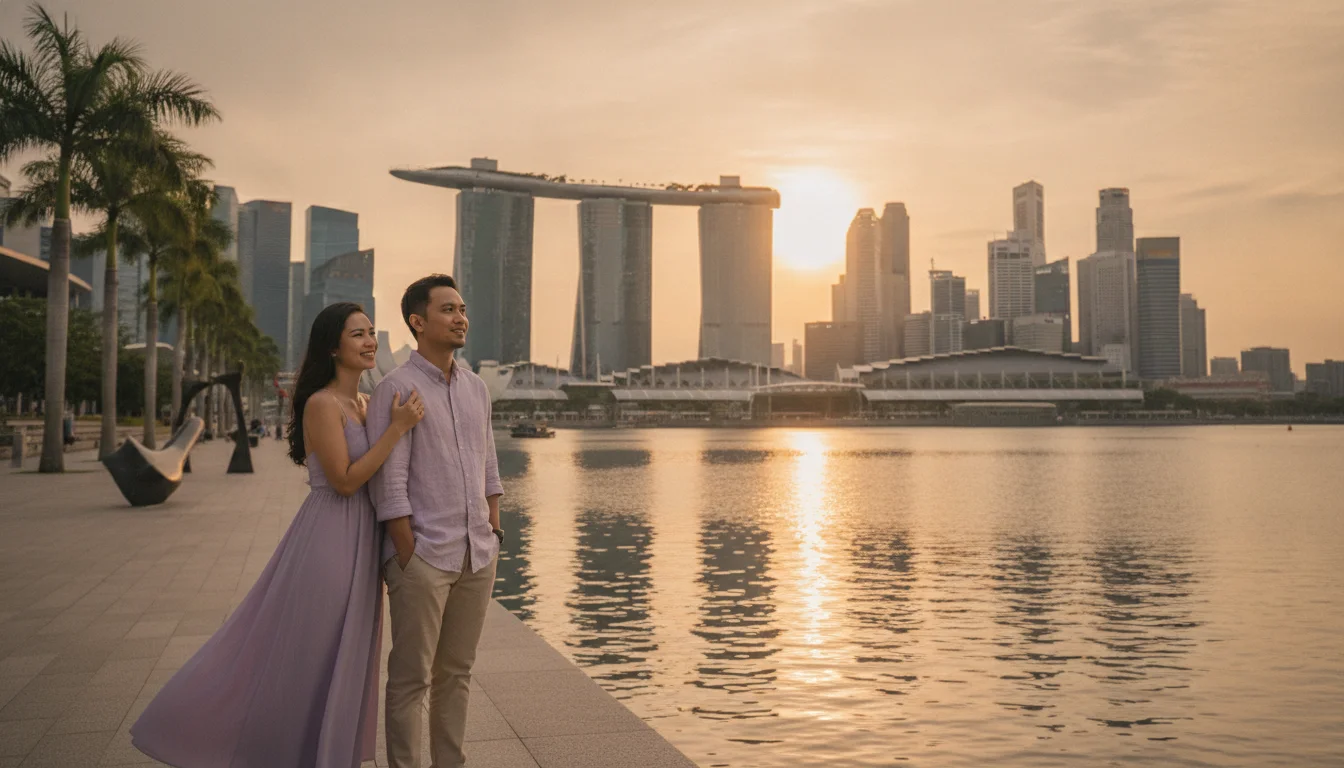
Afterward, walk along the Marina Bay Sands waterfront and enjoy Singapore's impressive skyline. The area becomes especially beautiful in the evening when the city lights come on and the fountain show begins.
For dinner, head to Clarke Quay or Boat Quay, where you'll find a wide range of restaurants overlooking the Singapore River.
Day 2: Chinatown, Little India, and Kampong Glam
Spend your second day discovering Singapore's cultural diversity. Explore Chinatown for its historic temples, souvenir markets, and affordable local eateries. Continue to Little India, known for its colorful streets, spice shops, and authentic Indian cuisine.
Then visit Kampong Glam, Singapore's Malay-Arab heritage district, where you'll find the iconic Sultan Mosque and the trendy Haji Lane filled with boutiques and unique cafés. All three neighborhoods are easily accessible by MRT.
Day 3: Sentosa Island
Dedicate a day to entertainment and relaxation on Sentosa Island. Visit Universal Studios Singapore, S.E.A. Aquarium, or enjoy the island's water attractions. If you prefer a slower pace, relax at Palawan Beach or Siloso Beach. While the beaches aren't as expansive as those in Indonesia, they still offer a pleasant seaside atmosphere. For families traveling with children, Sentosa is almost always a highlight.
Day 4: Orchard Road and Departure
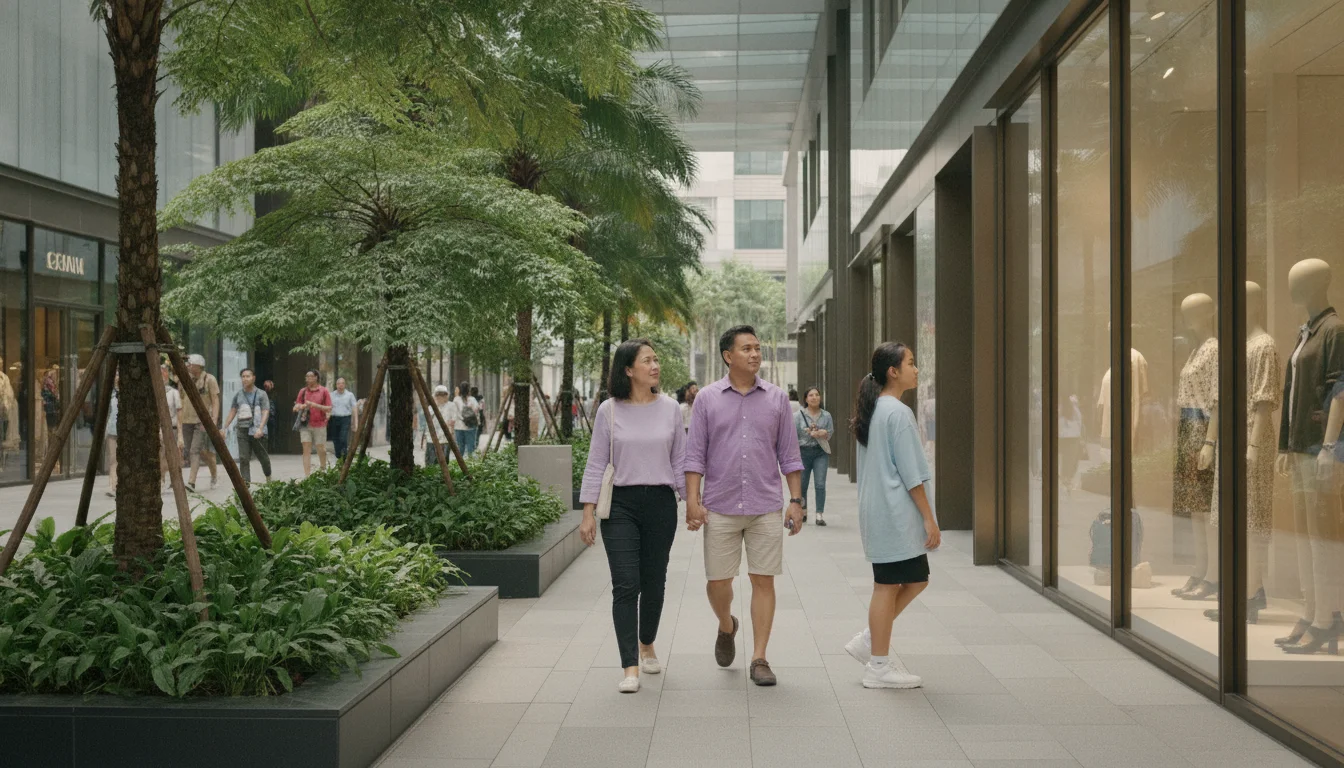
Spend your final day shopping along Orchard Road. From luxury malls like ION Orchard and Paragon to more affordable shopping centers, Orchard Road offers something for every budget.
If time allows, stop by nearby Fort Canning Park for a peaceful escape before returning to your hotel and heading to the airport.
Estimated Cost of Traveling to Singapore
Singapore is one of the most expensive cities in Asia, and your overall travel expenses will depend on your travel style and accommodation preferences. The estimates below serve as a general guide, as prices vary depending on the exchange rate and travel season
Category
| Estimate
(Per Person Per Day)
| Notes
|
|---|
Accommodation
| Varies
(hostel to five-star hotel)
| A very wide choice, from dormitories to luxury suites
|
Food
| Affordable at hawker centres, expensive at restaurants
| Hawker centres are one of the best ways to enjoy affordable local food
|
Transport
| MRT and buses are highly efficient
| Use an EZ-Link card for convenient public transport journeys
|
Attractions
| From free admission to paid entry per attraction
| Many outdoor attractions are free; the Gardens conservatories require paid tickets
|
Shopping
| Varies greatly
| Orchard Road for premium shopping; Lucky Plaza for more affordable options
|
Disclaimer: These estimates are intended as general guidance and may not reflect current prices. Always check the latest rates directly with service providers or booking platforms.
For a more comfortable family trip, you can also read our guide on traveling with young children for additional tips and practical advice.
Once you've planned your itinerary and budget, make sure you've completed all the necessary preparations before departure to ensure a smoother trip.
Tips Before Traveling to Singapore
After planning your itinerary and budget, it's time to prepare everything you need before departure. From travel documents and transportation to payment methods, proper preparation will help make your trip more comfortable, efficient, and hassle-free.
Travel Documents
Make sure your passport is valid for at least six months from your departure date. Indonesian passport holders can enter Singapore visa-free for tourist visits of up to 30 days. However, it's recommended to carry proof of accommodation (hotel booking) and a confirmed return ticket, as immigration officers may request them upon arrival.
EZ-Link Card for Public Transportation
Singapore's MRT (Mass Rapid Transit) is the easiest way to get around the city. Purchase or top up an EZ-Link card at any MRT station after you arrive. The card can be used on MRT trains, public buses, and at selected merchants.
Currency and Payments
The Singapore Dollar (SGD) is the official currency. Exchanging money in Indonesia or at licensed money changers in Singapore usually offers better exchange rates than airport exchanges.
Credit cards are widely accepted throughout Singapore, although some hawker centres still prefer cash payments.
Weather and Clothing
Singapore has a tropical climate with temperatures ranging from approximately 25–32°C (77–90°F) year-round.
Lightweight, breathable clothing is the best choice. Bring a compact umbrella or lightweight rain jacket, as brief showers can occur at any time, especially in the afternoon.
Besides travel documents and other essentials, there's one preparation that is often overlooked but can provide valuable protection when unexpected situations arise during your trip.
Why Travel Insurance Is Still Important Even for Singapore
Because Singapore is so close and familiar, many Indonesian travelers underestimate the importance of travel insurance. However, the same risks still exist—unexpected illness, minor accidents, flight delays, and lost luggage can happen anywhere, even in nearby destinations.
The difference lies in the cost.
Medical treatment in Singapore can be significantly more expensive than in Indonesia, even for relatively minor conditions. A single visit to a private clinic or hospital emergency department can result in an unexpected bill that wasn't included in your travel budget.
Comprehensive travel insurance ensures that if something unexpected happens during your trip, you can focus on receiving the care you need instead of worrying about medical expenses.
Consider exploring Oona Travel Insurance for your Singapore trip and get a free quote before you travel.
Public Transportation in Singapore
One of the reasons Singapore is so popular with Indonesian travelers is its integrated and easy-to-use public transportation system.
Getting Around by MRT
The MRT network covers nearly every major tourist destination, from downtown Singapore to Changi Airport.
Stations are clearly signposted, multilingual information is widely available, and transfer stations make changing lines simple. Travelers familiar with Jakarta's MRT will find Singapore's system easy to navigate.
If you're traveling with children or carrying large luggage, try to avoid weekday rush hours in the morning and evening.
Convenient Payment Options
Paying for public transportation is now more flexible than ever. You can use a rechargeable transport card purchased at MRT stations or simply tap eligible contactless payment cards if they are supported.
Before your trip, check with your bank to ensure your card is enabled for international transactions.
Taxis and Ride-Hailing Services
For late-night travel, family trips with heavy luggage, or destinations that are less convenient by MRT, taxis and ride-hailing services are practical options.
Although they cost more than public transportation, using them selectively can help keep your transportation budget under control.
Food Guide for Indonesian Travelers
For many Indonesian visitors, food is one of the highlights of any trip to Singapore. Fortunately, finding meals that suit your taste and dietary preferences is easy.
Experience Hawker Centres Like a Local
Hawker centres are Singapore's famous open-air food courts, offering a wide variety of affordable local dishes.
They're similar to Indonesia's culinary centers, with dozens of food stalls gathered in one place.
Arrive slightly before lunchtime to avoid the longest queues, and remember local etiquette by reserving your seat appropriately and returning your tray after eating.
Finding Halal Food
Singapore offers plenty of halal dining options, from certified hawker stalls to dedicated halal restaurants. Areas such as Kampong Glam are particularly well known for their wide selection of halal food. If you're unsure whether a stall is halal, look for certification signs or ask the vendor before ordering.
Managing Your Food Budget During the Holiday
A common approach among experienced travellers is to eat affordably at hawker centres for most meals, while setting aside a budget for one or two special restaurant experiences during the trip. This keeps total spending reasonable without taking away from a memorable food experience.
Rules and Etiquette Travelers Should Know in Singapore
Singapore is well known for its cleanliness and public order, largely because its rules are consistently enforced. As a visitor, understanding a few basic guidelines will help you enjoy a smooth and trouble-free trip.
Keep public spaces clean, as littering laws are strictly enforced. Eating and drinking are prohibited on MRT trains and within MRT stations. Smoke only in designated smoking areas, as smoking in unauthorized places can result in hefty fines. Respect queues at all times, queuing is an important part of Singaporean culture.
It's also important to check Singapore's customs regulations before departure to ensure you do not bring restricted or prohibited items into the country.
These rules are straightforward and mostly reflect good everyday habits. Following them will help you experience the comfort and efficiency Singapore is known for.
Planning a Realistic Budget for Your Singapore Trip
Singapore is often considered an expensive destination, but with thoughtful planning, it's possible to enjoy the city on almost any budget.
Accommodation is usually the largest expense. Hotels in the city center tend to be the most expensive, while properties slightly farther away are often more affordable and still easily accessible thanks to Singapore's extensive MRT network.
The second major expense is paid attractions. Prioritize the attractions you want to experience most, as many of Singapore's best experiences, such as exploring cultural neighborhoods, enjoying free light shows, and walking through historic districts, cost nothing at all.
Food and transportation expenses can also be kept under control by eating at hawker centres and relying on public transportation.
Book tickets for popular attractions well in advance through official channels to secure your preferred time slots.
Finally, leave some room in your budget for spontaneous purchases or experiences, unexpected moments often become the most memorable parts of a trip.
If you're traveling with family, a few additional preparations can make the experience much more comfortable for both parents and children.