5 Mins read

Must-Try Japanese Foods During Winter

Oona

Oona

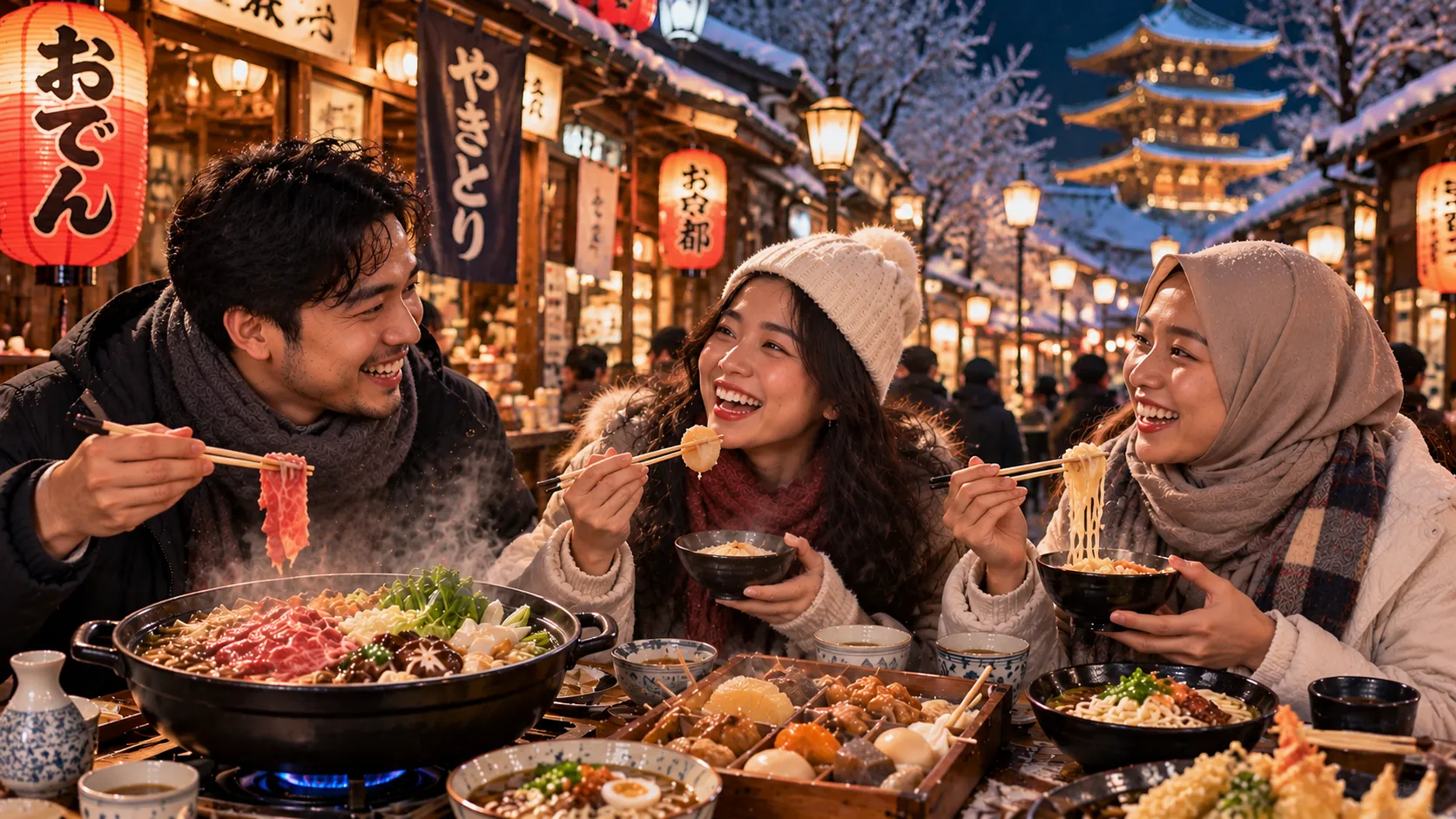
A group of Indonesian friends enjoying winter food in Japan

Exploring Japanese cuisine during winter offers Indonesian travelers a memorable experience. Alongside fresh sushi and Osaka takoyaki, warming dishes such as ramen, udon, and okonomiyaki are perfect after a day of sightseeing in the cold. You can also try tempura, wagyu, kaiseki, and mochi associated with Japanese New Year traditions. Here are some culinary favorites worth trying during the year-end holidays.

Enjoy Japanese Cuisine During Winter

Japan is one of the favorite destinations for Indonesian travelers, including those planning a winter holiday. According to the Japan National Tourism Organization (JNTO), international visitor arrivals in Japan reached approximately 36.9 million in 2024, reflecting strong interest in the many experiences the country offers, including its cuisine.
 

During winter, exploring Japanese cuisine feels even more special. Cold temperatures make warming dishes such as ramen, udon, oden, and nabe especially appealing after a full day of sightseeing. Meanwhile, Japanese favorites enjoyed year-round, such as sushi, tempura, and wagashi, are still worth adding to your must-try list.
 

So, which Japanese foods should you try during winter? Explore the following recommendations to make your holiday even more memorable.

1. Sushi at Tsukiji Market or Local Restaurants

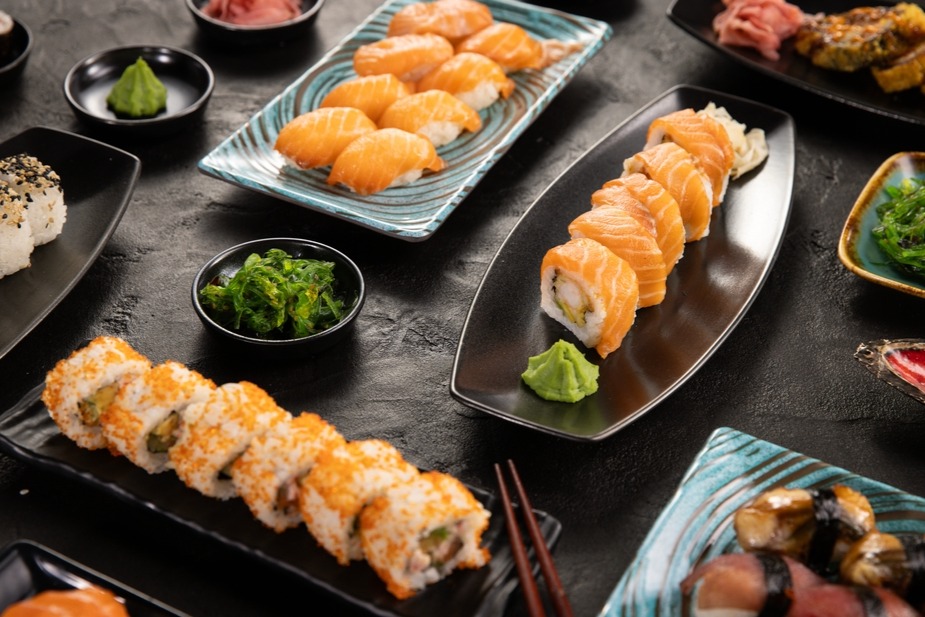
Must-Try Japanese Food: Sushi


Although sushi is not specifically a winter dish, trying it in Japan is still a very different experience from enjoying it elsewhere. At markets such as Tsukiji or Toyosu, you can find fresh sushi prepared by skilled sushi chefs right before your eyes. Top recommendations include otoro (fatty tuna) and uni (sea urchin) for an authentic taste.

2. Ramen at Local Ramen Restaurants

Must-Try Japanese Food: Ramen


A steaming bowl of ramen is an excellent choice in cold weather. Each region of Japan has its own distinctive ramen style.
 

  • Hokkaido: Miso ramen with a savory, rich flavor and texture.

  • Fukuoka: Tonkotsu ramen with a smooth pork-bone broth.

  • Tokyo: Shoyu ramen with a distinctive soy sauce flavor.
     

Many ramen restaurants use ticket vending machines for ordering, making the experience even more interesting.

3. Takoyaki in Osaka

Must-Try Japanese Food: Takoyaki


Served hot, takoyaki is perfect for enjoying while exploring Osaka in winter. Osaka is known as a street food hub, and takoyaki is one of its most famous snacks. These batter balls filled with pieces of octopus are served with sweet-savory sauce, mayonnaise, and bonito flakes (dried fish shavings). Be sure to try them along the streets of Dotonbori.

4. Tempura at Specialty Tempura Restaurants

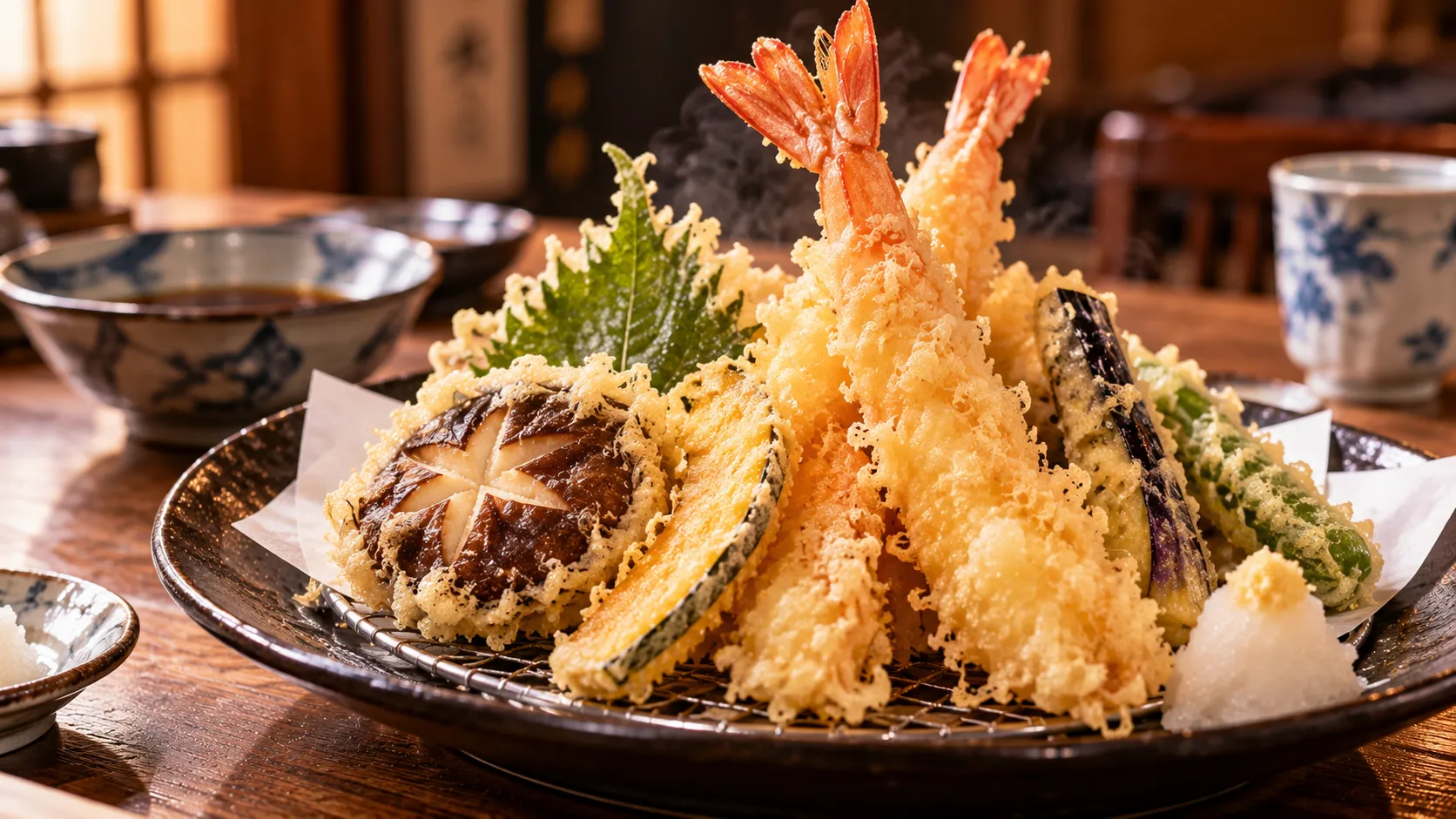
Must-Try Japanese Food: Tempura


Freshly fried tempura is particularly enjoyable in cold weather. Try tempura at restaurants such as Tendon Tenya or Tsunahachi. This crispy fried seafood and vegetable dish is often served with rice or udon. What makes Japanese tempura distinctive is its light batter, which keeps it from tasting overly oily.

5. Fresh Udon and Soba

Must-Try Japanese Food: Udon and Soba


In winter, choose udon or soba served in hot broth to warm yourself up. Thick, chewy udon noodles and buckwheat-based soba are perfect for a quick yet satisfying meal. Small restaurants at train stations often serve authentic, budget-friendly udon and soba.

6. Okonomiyaki in Hiroshima or Osaka

Must-Try Japanese Food: Okonomiyaki


Served hot off the grill, okonomiyaki is ideal for cold weather. This savory Japanese pancake is especially popular in Hiroshima and Osaka. You can cook it yourself on a tabletop grill or ask the chef to prepare it. Fillings such as meat, seafood, and vegetables, combined with a signature sauce, make it a flavorful dish.

7. Wagyu and Kobe Beef

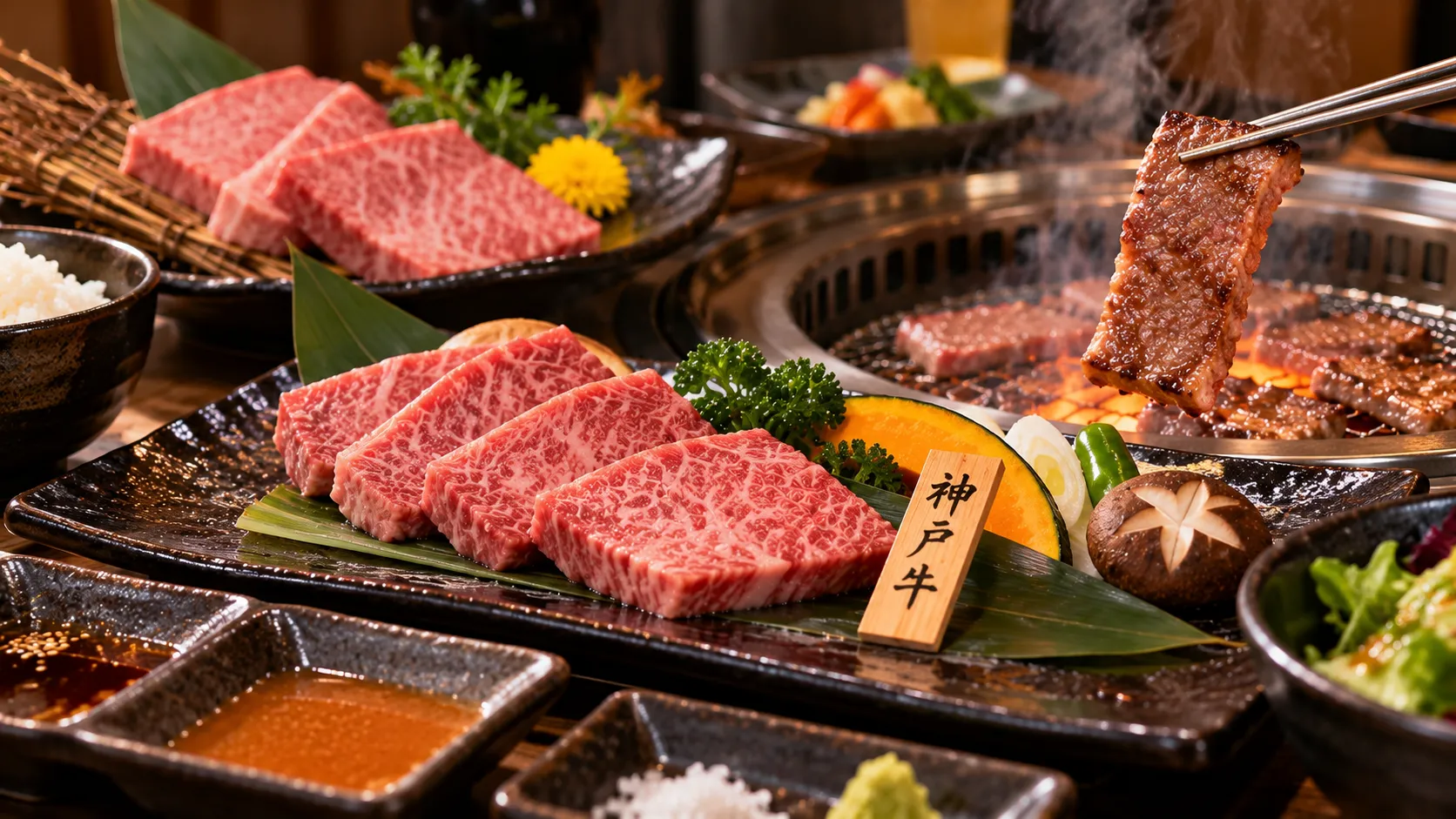
Must-Try Japanese Food: Wagyu and Kobe Beef


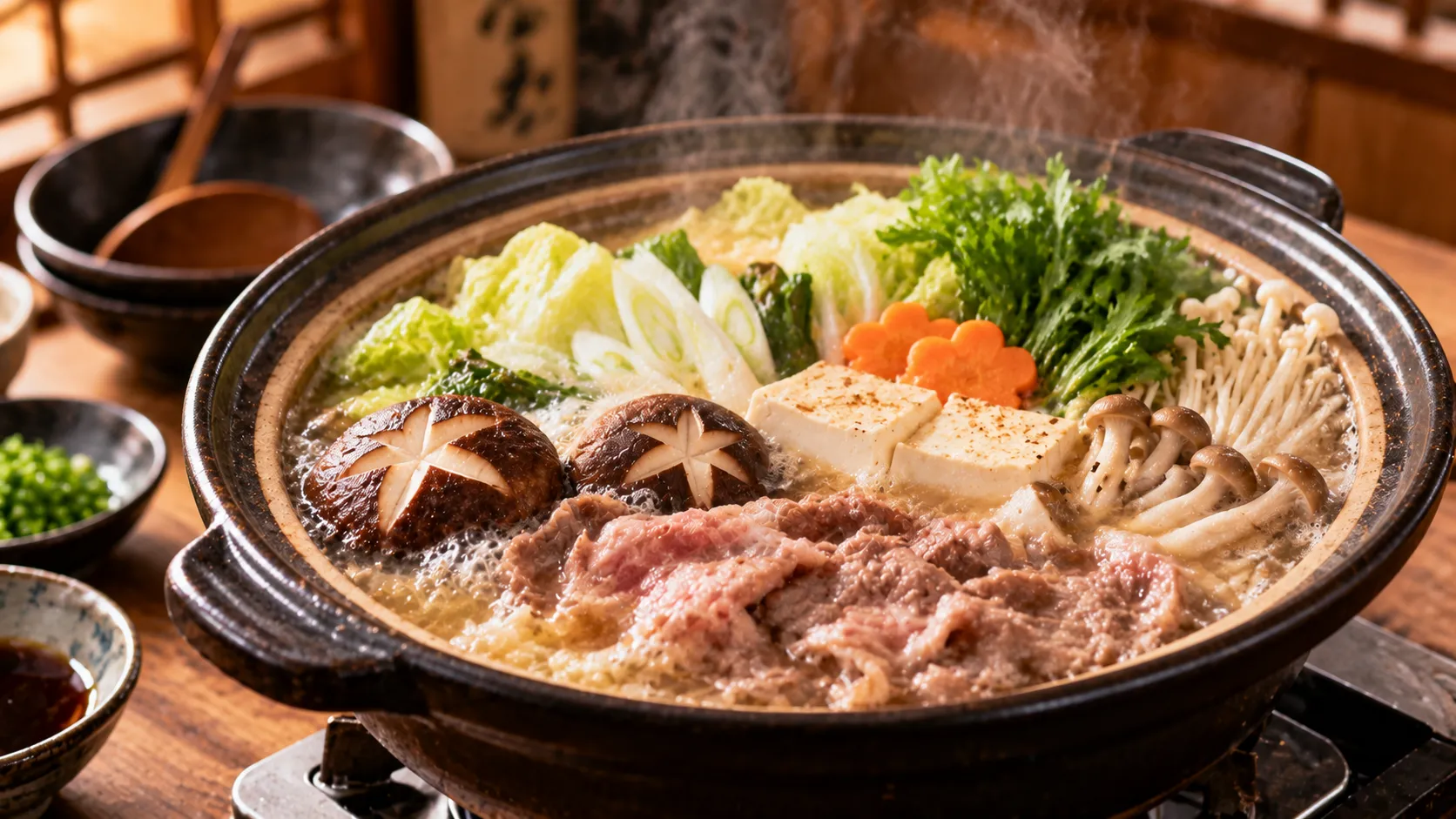
In cold weather, warming wagyu dishes such as sukiyaki or shabu-shabu are also worth trying. For meat lovers, wagyu and Kobe beef offer an extraordinary experience. Carefully prepared beef has a tender texture and delicious flavor. Try it at a steak restaurant in Kobe or Tokyo for an exceptional taste.

8. Traditional Mochi and Wagashi

Must-Try Japanese Food: Wagyu and Kobe Beef


Mochi is also connected to Japanese New Year traditions, including ozoni, a soup containing mochi. Traditional Japanese sweets such as mochi, dorayaki, and wagashi offer delicate sweetness. Japanese green tea is often an ideal accompaniment. Look for fresh mochi in Kyoto for an authentic experience.

9. Kaiseki in Kyoto

Must-Try Japanese Food: Kaiseki


Kaiseki menus often highlight seasonal ingredients, including winter seafood and vegetables. For a formal dining experience, try kaiseki, a traditional Japanese multi-course meal that brings together different flavors and textures in one sitting. Kyoto is an excellent place to experience kaiseki, as many restaurants there have been operating for hundreds of years.

10. Street Food at Nishiki Market

Must-Try Japanese Food: Street Food


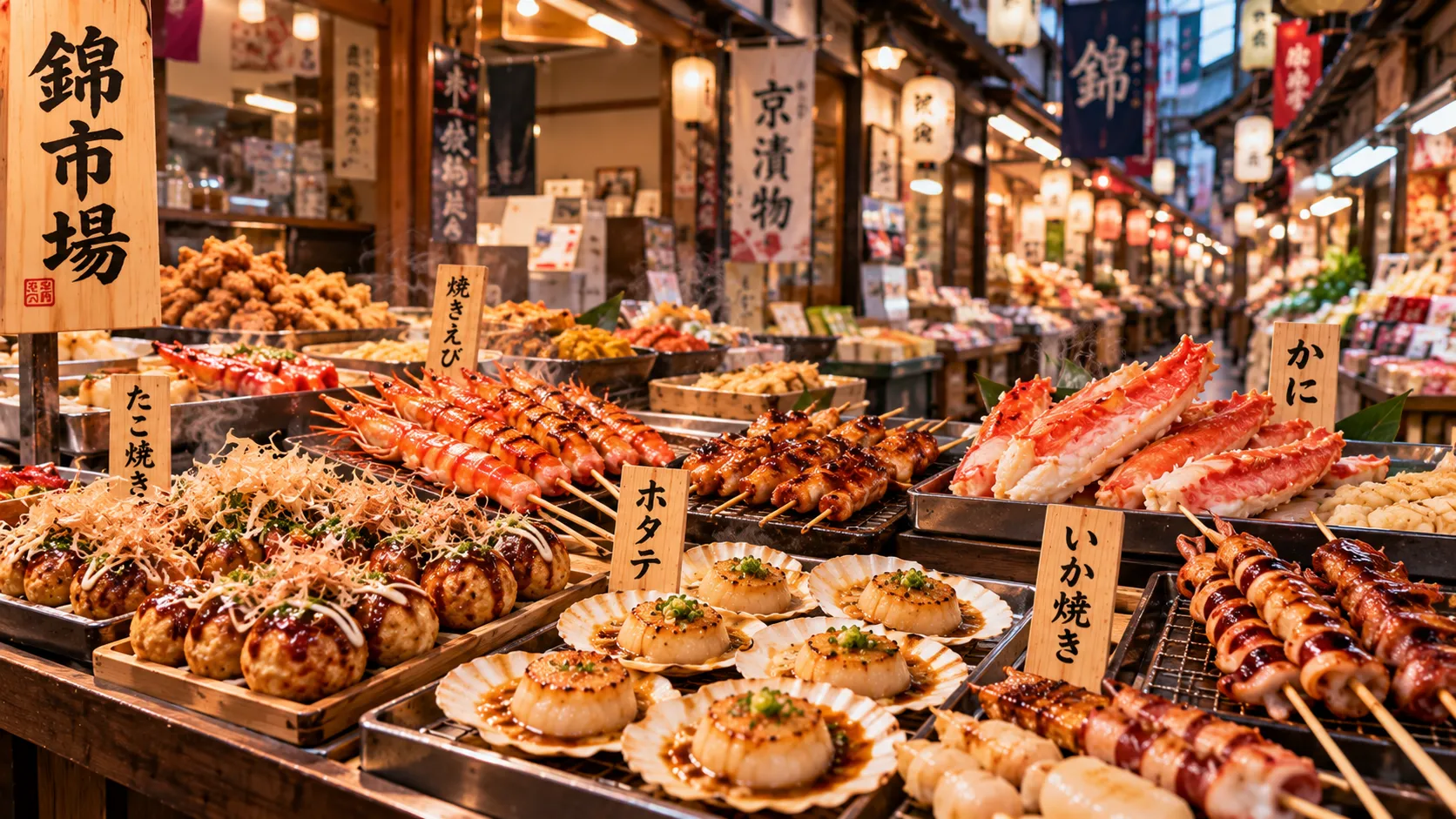
During a winter holiday, check shop opening hours, especially around New Year. In Kyoto, Nishiki Market offers a variety of authentic street foods, such as yakitori (chicken skewers), yatsuhashi (a triangular sweet snack), and dango (skewered mochi-like dumplings). The market is ideal for sampling small bites while exploring local culture.

Additional Winter Specialties: Oden and Nabe

Must-Try Japanese Food: Nabe


If you want to try dishes more closely associated with winter, look for oden (assorted ingredients simmered in warm broth) or nabe (Japanese hot pot). Both are popular in cold weather and are great for sharing with family or friends.

Tips for Enjoying Japanese Cuisine in Japan

  • Explore Street Food: Dress warmly and check operating hours during the New Year holiday. Traditional markets and areas such as Dotonbori in Osaka and Nishiki in Kyoto offer many local specialties.
     

  •  Try Something New: Do not hesitate to sample unusual dishes, such as natto (fermented soybeans) or fugu (poisonous pufferfish that requires specialized preparation).
     

  • Consider Halal Options: Look for halal-certified restaurants or vegetarian menus if needed.
     

  • Learn Dining Etiquette: Use chopsticks properly and avoid sticking them upright into rice, as this is considered disrespectful.
     

In winter, Japanese cuisine is also a way to experience seasonal ingredients and traditions. Japan’s food culture reflects a harmony of flavors, aesthetics, and attention to detail. Every dish is a work of art designed to delight not only the palate but also the eyes and heart. Tasting food in Japan is both delicious and a way to deepen your understanding of Japanese culture.

Enjoy Japanese Cuisine During Winter with the Right Travel Protection

Exploring Japanese cuisine during winter is an experience not to be missed. Warming dishes such as ramen, udon, and okonomiyaki are perfect when temperatures drop. Meanwhile, sushi, takoyaki, tempura, wagyu, and the many street foods at Nishiki Market remain exciting additions to your culinary journey.


Beyond making a list of foods to try, it is important to prepare for your trip. Cold weather, changes to flight schedules, and the risk of lost baggage are among the things to anticipate during a holiday in Japan.


To help manage these risks, consider Japan Travel Insurance from Oona Insurance, which offers protection against various travel-related risks, including:

  • Medical coverage: Helps cover emergency medical treatment and hospitalization costs during your trip.

  • Trip cancellation or delay: Provides benefits under the policy terms when a covered travel disruption occurs.

  • Baggage protection: Helps reduce financial losses resulting from lost or damaged baggage covered by the policy.

  • Convenient purchase: Travel insurance can be purchased online, making pre-departure preparations easier.
     

All coverage benefits are subject to the coverage scope, limits, terms, and exclusions stated in the policy.
 

With careful preparation and travel protection suited to your needs, you can enjoy Japan’s beauty and discover its winter cuisine with greater peace of mind.
 

Plan your year-end holiday and explore Oona Insurance’s Japan Travel Insurance options before you depart!

Frequently Asked Questions

Is halal food available in Japan?

Answer
Yes, many restaurants in Japan now offer halal or vegetarian menu options.
Questions
Is halal food available in Japan?
Sequence Id
3
Tags

What makes Japanese cuisine unique compared with other countries?

Answer
Japanese cuisine combines flavors, presentation aesthetics, and rich traditional values, setting it apart from other cuisines.
Questions
What makes Japanese cuisine unique compared with other countries?
Sequence Id
5
Tags

Where are the best places to try street food in Japan?

Answer
Dotonbori in Osaka and Nishiki Market in Kyoto are street food paradises.
Questions
Where are the best places to try street food in Japan?
Sequence Id
2
Tags

How can I choose an authentic restaurant in Japan?

Answer
Look for restaurants with good reviews, experienced chefs, and a focus on fresh local ingredients.
Questions
How can I choose an authentic restaurant in Japan?
Sequence Id
4
Tags

Get Oona Travel Insurance Now!

Get a Free Quote