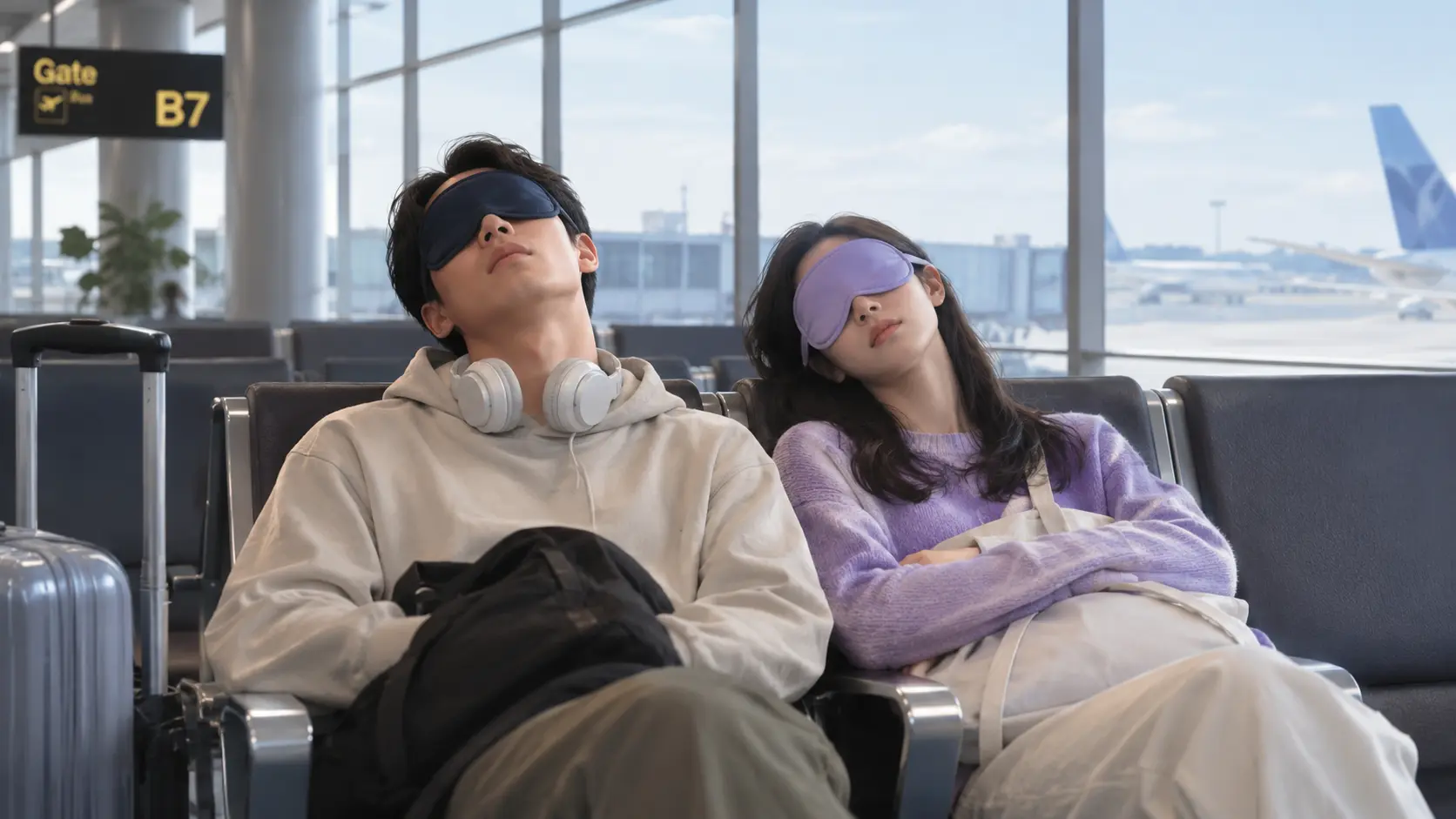
What Is Jet Lag?
According to Mayo Clinic, jet lag is a temporary sleep problem. It is associated with a disruption to the body’s circadian rhythm, or biological clock, which has not yet aligned with the time at the destination.
The circadian rhythm helps regulate various body functions, especially the sleep and wake cycle. When you move to a different time zone, your biological clock does not always immediately follow the local time. As a result, you may still feel sleepy when it is daytime at your destination or have difficulty sleeping when it is already nighttime.
Jet lag is more likely to occur when you:
Travel across several time zones in one trip
Take a long distance flight
Travel east or west and experience a significant change in local time
Need to immediately follow a schedule of activities after arriving
Experience changes to your sleep schedule during the journey
What Causes Jet Lag?
The main cause of jet lag is a change in time zones that prevents the body’s circadian rhythm from immediately adjusting to the local time.
At home, your body is accustomed to a certain pattern of light and darkness and a regular sleep schedule. After traveling across several time zones, this pattern can change suddenly. Your body then needs time to readjust its sleep and wake schedule to the new environment.
Changes in sleep timing can make jet lag symptoms more noticeable. For example, your body may still be accustomed to sleeping at a certain time based on your original time zone, while that same time is already daytime at your destination. This can cause sleepiness at times that do not match the local schedule.
Several factors can make jet lag more noticeable:
1. Changes in Time Zones
The more time zones you cross, the greater the adjustment your body needs to make. For example, if you usually sleep at night, a time difference may make your body feel that it is not yet time to sleep even though it is already nighttime at your destination.
2. Changes in Light Exposure
Light is an important signal that helps the body regulate its circadian rhythm. Changes in sunrise and sunset times after arriving at your destination can affect the body’s adjustment to local time.
3. Long Distance Flights
Flights that last for several hours, prolonged sitting, and changes in routine during travel can make your body feel more tired and uncomfortable. These effects may occur together with jet lag symptoms after you arrive.
4. Changes in Sleep, Meal, and Activity Schedules
Traveling to a different time zone can change your sleep, meal, exercise, and daily activity schedules. Your body then needs to readjust these routines to the schedule at your destination.
What Are the Symptoms of Jet Lag?
Jet lag symptoms can vary from person to person. The condition mainly affects sleep patterns, but it can also make you feel tired or uncomfortable while your body adapts to a new time zone.
Possible symptoms of jet lag include:
Difficulty sleeping at night
Sleepiness during the day
Waking up too early or waking frequently during sleep
Feeling tired or lacking energy
Difficulty concentrating
Mood changes
Headache
Changes in appetite or meal times
Feeling generally unwell
The intensity and duration of symptoms can vary from person to person. The number of time zones crossed, direction of travel, sleep pattern, and individual condition can affect the adjustment process.
How Long Does Jet Lag Last?
Jet lag is generally temporary and may improve as your body adjusts its circadian rhythm to the new time zone. The adjustment process can take several days and varies from person to person.
The more time zones you cross, the greater the change your body needs to adapt to. The direction of travel can also affect the adjustment process because your sleep and activity schedule needs to follow the new local time.
If symptoms feel severe, increasingly interfere with daily activities, persist, or are accompanied by other concerning symptoms, consider consulting a healthcare professional.
How to Manage Jet Lag After a Long Flight
Several steps can help your body adapt to a new time zone after a long flight.
1. Adjust Your Sleep Schedule to Local Time
After arriving, try to follow the sleep and wake schedule at your destination. Avoid following your original time zone schedule for too long so your body can begin receiving signals that your routine has changed.
2. Get Light Exposure at the Right Time
Natural light helps your body recognize the difference between daytime and nighttime. Spend some time outdoors according to the local schedule and your physical condition.
3. Stay Hydrated
Long air travel can make your body feel uncomfortable. Make sure you get enough fluids during the journey and after arriving at your destination.
4. Limit Caffeine Before Bedtime
Caffeine can make it harder for some people to sleep. If you are trying to adjust your sleep schedule, limit caffeinated drinks close to bedtime.
5. Avoid Excessive Alcohol Consumption
Alcohol can interfere with sleep quality and make you feel less comfortable. Avoid excessive alcohol consumption, especially while your body is adapting to a new time zone.
6. Avoid an Overly Packed Schedule
Give your body time to adjust, especially on the first day after a long flight. An overly packed itinerary can make your trip more tiring.
7. Adjust Meal Times to the Local Schedule
After arriving, gradually adjust your meal times to the schedule at your destination. A consistent routine can help your body follow the new daily pattern.
8. Keep Moving After Travel
Walking casually or doing light stretching can help your body feel more comfortable after sitting during a long journey. Adjust the intensity of your activity to your physical condition.
9. Keep Naps Short
If you are very sleepy, a short nap can help reduce fatigue. However, avoid napping for too long or too close to nighttime sleep because this can make it harder to adjust your sleep schedule.
10. Give Your Body Time to Adjust
Not everyone can immediately return to a normal sleep pattern on the first day. Prioritize enough sleep, a consistent schedule, and activities that match your physical condition.
Preparation Checklist to Reduce Jet Lag While Traveling
Preparing before a long flight can make the journey more comfortable while giving your body an opportunity to begin adjusting to the time difference.
Category
| What to Prepare
| What to Consider
|
|---|
Time Zone
| Time difference between origin and destination
| Check the time difference before departure
|
Sleep
| Sleep schedule
| Adjust gradually if possible
|
Flight
| Departure and arrival times
| Consider the local time at the destination
|
Hydration
| Drinking water
| Get enough fluids
|
Light
| Natural light exposure
| Adjust according to local time
|
Caffeine
| Caffeinated drinks
| Limit close to bedtime
|
Alcohol
| Alcoholic drinks
| Avoid excessive consumption
|
Activities
| Itinerary
| Do not make the first day too busy
|
Naps
| Rest time
| Avoid naps that are too long
|
Travel Essentials
| Eye mask, neck pillow, earplugs
| Choose items that are comfortable to use
|
Documents
| Identity card, passport, tickets, bookings
| Make sure travel details are correct
|
Insurance
| Travel insurance
| Check the benefits and policy terms
|
Physical Condition
| Personal needs
| Consult a healthcare professional if needed
|
Example First Day Schedule After a Flight
If you arrive at your destination in the morning, you can keep your first day lighter so your body has time to adjust to the new time zone.
Activity
| Example Time
|
|---|
Wake up and breakfast
| 07.00 to 08.00
|
Light exposure and light activity
| 08.00 to 10.00
|
Lunch
| 12.00 to 13.00
|
Relaxed activities
| 13.00 to 16.00
|
Dinner
| 18.00 to 19.00
|
Prepare for bed
| 20.00 to 21.00
|
Sleep
| 21.00 to 22.00
|
This schedule is not a mandatory rule. Sleep, meal, and activity times can be adjusted based on your arrival time, physical condition, time zone, and travel needs.
Tips to Reduce Jet Lag When Traveling With Family
Traveling with family may require additional adjustments because each family member can have different rest needs and activity patterns.
1. Avoid an Overly Packed Itinerary
Allow time for rest, especially on the first day after arrival. Children and other family members also need time to adjust to changes in their schedule.
2. Maintain Familiar Routines
When possible, maintain familiar routines such as meal times, rest periods, or bedtime habits so the change does not feel too sudden.
3. Prepare Snacks and Drinking Water
Having basic needs within easy reach can make the trip more comfortable, especially when meal times change or activities last for a long time.
4. Adjust Activities to Your Family’s Condition
Not every family member will adjust at the same pace. If someone appears very tired, reduce activities and give them time to rest.
5. Avoid Forcing the Schedule
The goal of a trip is not only to visit as many places as possible, but also to enjoy time together while staying comfortable.
Jet lag is generally temporary. However, if symptoms feel severe, persist, get worse, or are accompanied by other concerning symptoms, you should consult a healthcare professional.
Do not assume that every symptom after a long flight is caused by jet lag. Different or severe symptoms may have other causes and should be assessed based on each individual’s condition.
Do You Need Travel Insurance When Experiencing Jet Lag?
Jet lag is related to the body’s adjustment to a change in time zone and is not automatically a risk covered by every travel insurance policy.
However, long distance travel can involve other risks, such as travel delays or cancellations, lost baggage, or certain conditions whose coverage depends on the benefits and terms of the policy.
Oona provides Travel Insurance with protection according to the selected product and applicable policy terms. Before purchasing travel insurance, review the type of protection, benefits, coverage limits, exclusions, premium, claims procedure, and applicable terms and conditions.
Travel insurance cannot prevent jet lag or make your body immediately adjust to a new time zone. However, suitable protection can help manage the financial impact of travel risks that are covered by the policy.
Therefore, in addition to preparing your sleep schedule and itinerary, check travel protection that suits your travel needs and destination. Learn about the benefits and terms to find protection that suits your travel needs.