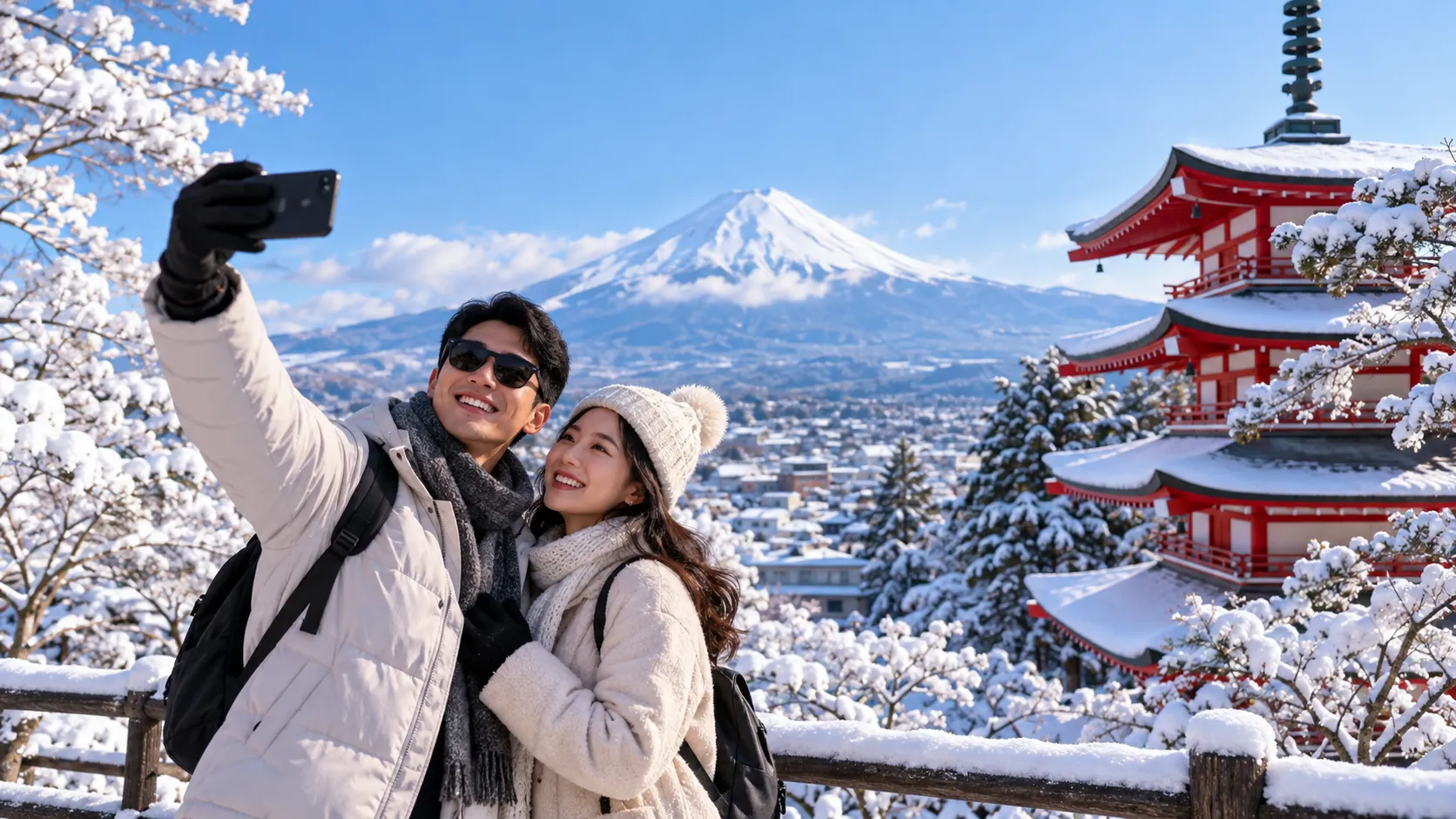
Preparing for a Winter Holiday in Japan: A Guide for Indonesian Travelers
Japan remains a popular international travel destination, including among Indonesian tourists. According to the Japan National Tourism Organization (JNTO), Japan recorded approximately 42.68 million international visitor arrivals in 2025, up 15.8% from the previous year. In December 2025 alone, arrivals reached approximately 3.62 million, setting a record for that month.
One of Japan’s attractions is the different travel experience each season offers. During winter, generally from December to February, visitors can enjoy snowy scenery, winter festivals, hot springs or onsen, skiing, and snowboarding. According to JNTO, January and February tend to offer the most reliable snow conditions at many Japanese ski resorts.
However, winter conditions vary across Japan. Tokyo, Kyoto, and Osaka generally have milder temperatures and less snowfall than Hokkaido, Tohoku, and mountainous areas such as Nagano. Understanding these differences is especially important for Indonesian travelers who may not be accustomed to cold weather.
Beyond choosing a destination, winter travel requires special preparation. Below-freezing temperatures, slippery roads, and possible weather-related transport disruptions are among the factors to consider. Travelers should also adapt their clothing, equipment, itinerary, and budget to winter conditions.
So, what should you prepare before enjoying winter in Japan? From visa requirements and snowy destinations to winter gear and travel insurance, the following guide offers practical tips to help Indonesian travelers plan a more comfortable and safer trip.
Prepare Your Japan Visa Before Departure
Indonesian citizens holding ordinary passports generally need to apply for a visa before traveling to Japan for tourism. Eligible Indonesian e-passport holders may use the visa waiver scheme after completing the required registration and receiving approval. Holding an e-passport alone does not automatically grant visa-free entry.
Check the latest requirements through the Embassy of Japan or official visa application channels. Start preparing several weeks before departure and allow extra time, especially when traveling during the year-end holiday period.
Document
|
Description
|
|---|
Passport
|
Ensure your passport’s validity and condition meet travel requirements.
|
Visa application form
|
Provide information consistent with your passport and supporting documents if a visa is required.
|
Itinerary
|
List the cities, travel dates, and planned winter activities.
|
Proof of funds
|
Prepare documents based on your visa category and the latest requirements.
|
Flights and accommodation
|
Check whether reservations are required for your application type.
|
Additional documents
|
Follow the official document checklist applicable when you apply.
|
Disclaimer: Required documents, procedures, fees, and processing times may change. Always refer to the latest official information.
Choose the Best Time and Destinations for Winter Travel
If you want to see snow, choosing the right region is just as important as choosing the right month. Hokkaido and mountainous areas generally have longer snow seasons than lowland cities. Snow conditions, festival schedules, and ski resort operations vary each year, so verify the details before booking.
Travelers can enjoy snow festivals, hot springs or onsen, traditional villages blanketed in snow, and skiing or snowboarding according to their ability.
Destination
|
Winter Experience
|
|---|
Sapporo, Hokkaido
|
Snowy city views, warming cuisine, and snow festivals if they coincide with your visit.
|
Niseko, Hokkaido
|
Ski and snowboard resorts, suitable for travelers who want to try snow activities with an instructor.
|
Shirakawa-go, Gifu
|
Traditional steep-roofed houses in a winter landscape; access may be affected by weather.
|
Nagano / Hakuba
|
Mountains, ski resorts, and outdoor winter activities.
|
Zao Onsen, Yamagata
|
Trees covered in ice and snow, known as snow monsters, depending on natural conditions.
|
Disclaimer: Not every destination receives snowfall every day. Check weather forecasts, transport service updates, operating hours, and local safety rules.
Pack Suitable Winter Clothing and Essentials
Temperatures can fall below freezing in some parts of Japan. Dress in layers: a base layer that helps keep your skin dry, a middle layer for warmth, and an outer jacket that protects against wind or snow.
Shoes with slip-resistant soles are especially useful on icy surfaces. Match your clothing to the forecast and your activities; walking around Tokyo requires different gear from skiing in Hokkaido.
Item
|
Purpose
|
|---|
Thermal base layers
|
Help retain warmth as the base layer.
|
Sweater or fleece
|
Provide insulation and can easily be removed indoors.
|
Winter jacket
|
Protects against cold temperatures, wind, and snow according to its specifications.
|
Gloves, scarf, and beanie
|
Help protect body parts exposed to cold air.
|
Slip-resistant shoes and warm socks
|
Help you walk more comfortably on cold or slippery surfaces.
|
Moisturizer and lip balm
|
Help reduce dryness caused by cold air.
|
Disclaimer: Choose equipment based on actual temperatures, ground conditions, and activity levels. Do not assume one jacket will suit every situation.
Enjoy Japanese Food That Is Perfect for Winter
In addition to snowy destinations, winter is an excellent opportunity to enjoy warming Japanese dishes. Choose food based on your preferences, dietary needs, and destination.
Dish
|
Why It Is Great in Winter
|
|---|
Ramen
|
A warming bowl of noodles in a variety of broths.
|
Nabe or hot pot
|
A simmered dish with vegetables, tofu, and protein.
|
Oden
|
An assortment of ingredients simmered in dashi broth, widely available.
|
Sukiyaki
|
Meat and vegetables in a sweet-savory broth.
|
Udon
|
Thick noodles served in hot broth.
|
Yakiimo
|
Warm roasted sweet potatoes, popular as a seasonal snack.
|
Disclaimer: Menus, ingredients, prices, and availability vary by restaurant and region.
Plan a Flexible Itinerary and Budget
Avoid an overly packed winter itinerary. Allow extra time for traveling through snow, attraction queues, and possible train or flight delays. If you plan to ski, budget for equipment rental, lift passes, and instructor lessons.
For example, a 7–10-day trip could focus on Tokyo and one snowy area such as Nagano, or explore Hokkaido with Sapporo as a starting point. Choose a route that suits your interests, budget, and transport connections.
Planning Item
|
Considerations
|
|---|
Cities and activities
|
Prioritize snowy destinations and have indoor activities as alternatives during bad weather.
|
Transport
|
Compare individual tickets, regional passes, and the Japan Rail Pass; a pass is not always cheaper.
|
Accommodation
|
Book early for busy dates and check accessibility during snowfall.
|
Daily budget
|
Include meals, transport, attraction tickets, equipment, and ski activities.
|
Emergency funds
|
Set aside money for schedule changes, medical needs, or extra accommodation.
|
Travel insurance
|
Review policy benefits for travel disruption, baggage, and emergency medical needs.
|
Disclaimer: Travel costs and access to destinations depend on the season, exchange rates, weather, and service schedules. Keep an alternative plan ready.
Enjoy Winter in Japan with the Right Preparation and Protection
A winter holiday in Japan offers memorable experiences, from snowy landscapes and hot springs or onsen to skiing, snowboarding, and warming Japanese cuisine. For a more comfortable trip, prepare your travel documents, choose suitable destinations, pack appropriate winter gear, and plan a flexible itinerary and budget.
It is also important to consider potential risks, including slips on snow or ice, exposure to low temperatures, and transport delays caused by extreme weather. If you plan to ski or snowboard, follow safety instructions and choose activities suited to your ability.
To complement your preparations, consider Oona Travel Insurance, which may help provide protection against certain risks, such as travel disruptions, baggage problems, and emergency medical needs, subject to policy benefits and terms. Before purchasing, review coverage limits, exclusions, claims procedures, and the conditions that apply to winter sports such as skiing and snowboarding.
With thoughtful planning and travel protection suited to your needs, you can enjoy Japan’s winter attractions with greater peace of mind.