Japanese Etiquette and Customs Every Visitor Should Know
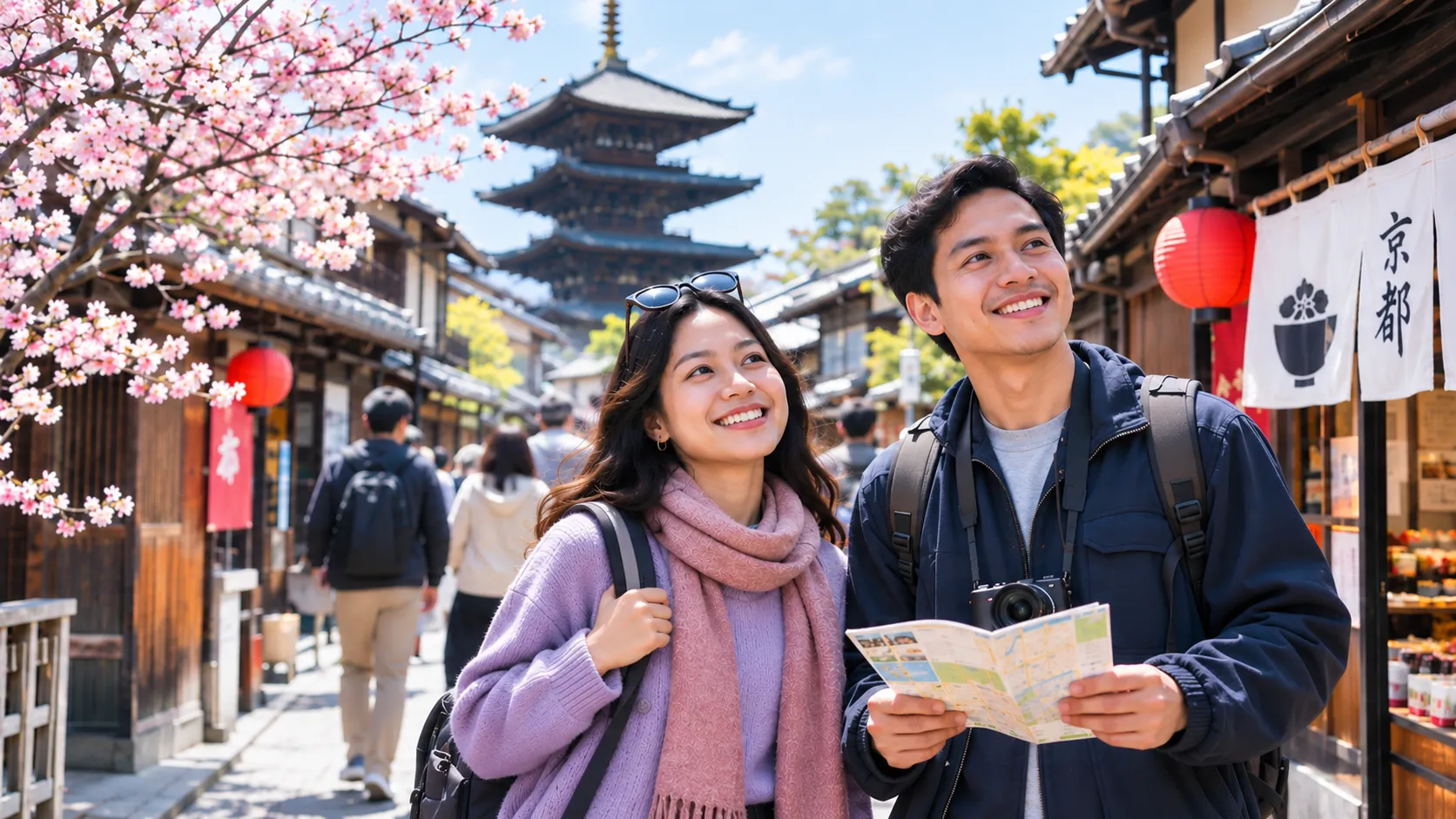
Japan is a favorite destination among Indonesian travelers thanks to its beautiful scenery, rich culture, cuisine, and modern transportation system. Beyond these attractions, Japan is also known for placing great importance on discipline, cleanliness, courtesy, and consideration for others.
For first-time visitors, some everyday Japanese customs may feel different from those in Indonesia. These include keeping quiet on public transportation, queuing properly, and following certain rules when dining or visiting places of worship. Although they may seem simple, these practices are an important part of everyday etiquette in Japan.
Through its Travel Etiquette for the Future guide, the Japan Tourism Agency reminds visitors to respect local cultures and traditions. The guide also emphasizes the importance of being a responsible traveler while visiting Japan.
Not every custom in Japan is a legal requirement. Some are social norms that reflect respect for other people and the surrounding environment. That is why understanding the do's and don'ts in Japan is an important part of preparing for a trip, whether you are visiting Tokyo, Osaka, Kyoto, or other destinations.
By knowing what to do and what to avoid, travelers can prevent misunderstandings, interact more comfortably with local people, and make their first trip to Japan more enjoyable.
Important Do's and Don'ts in Japan for Travelers
Before exploring destinations across Japan, it is important to understand the local customs and rules. From taking public transportation and enjoying food to visiting attractions, there are several points of etiquette to keep in mind.
As a starting point, here is a summary of the do's and don'ts in Japan that travelers, especially first-time visitors, should know.
Situation
| Do's
| Don'ts
|
|---|
Public Transportation
| Queue, keep quiet, and arrive on time
| Make phone calls or speak loudly
|
Dining
| Use chopsticks politely
| Stick chopsticks upright in rice or insist on tipping
|
Tourist Attractions
| Follow photography rules and respect local culture
| Take photos in restricted areas or enter private property
|
Cleanliness
| Carry a small trash bag and sort waste
| Litter
|
Ryokan or Traditional Restaurants
| Remove shoes when required
| Wear shoes on tatami floors
|
Temples and Shrines
| Keep quiet and respect worshippers
| Disrupt religious activities
|
Onsen
| Wash before entering the bath
| Put towels in the bathwater
|
Escalators
| Follow safety instructions
| Ignore escalator rules
|
Communication
| Use simple Japanese phrases
| Speak too loudly in public
|
Payments
| Carry some cash as a backup
| Rely entirely on digital payments
|
Streets and Stations
| Keep luggage out of walkways
| Block pedestrian paths
|
Public Spaces
| Use designated smoking areas
| Smoke in prohibited areas
|
Food Districts
| Eat in designated areas
| Eat while walking where prohibited
|
Disclaimer: Each custom has its own reasons and rules. To understand how they apply during your trip, explore the following explanations of what to do and what to avoid while visiting Japan.
Do's in Japan: Things Travelers Should Do
1. Queue Properly
Queuing is highly valued in Japan, particularly at train stations, bus stops, restaurants, and tourist attractions. Follow the queue markings and let passengers exit the train before boarding.
2. Keep Quiet on Public Transportation
Trains in Japan are generally quiet. Put your phone on silent, avoid making calls inside train cars, and keep your voice down when speaking.
3. Remove Your Shoes Where Required
Some traditional restaurants, ryokan inns, and tatami-floored rooms require visitors to remove their shoes. Follow the signs at the entrance and use the slippers provided when appropriate.
4. Carry a Small Bag for Your Trash
Public trash bins are not always easy to find in Japan. Carry a small bag to store your trash temporarily, then dispose of it in the appropriate category when you find a suitable bin.
5. Respect Rules at Temples and Shrines
When visiting Buddhist temples or Shinto shrines, speak quietly, follow posted instructions, and avoid disturbing people who are worshipping. Pay attention to areas where photography is prohibited.
6. Use Simple Japanese Phrases
Although some tourist attractions provide information in English, simple phrases such as arigatou gozaimasu (thank you), sumimasen (excuse me or sorry), and onegaishimasu (please) can make it easier to communicate with local people. They also show respect for Japanese culture.
7. Be Punctual
Punctuality is highly valued in Japan, particularly when using public transportation, joining tours, or arriving for restaurant reservations. Try to arrive a few minutes early so you do not miss your scheduled activity or inconvenience others.
8. Follow Escalator Rules
When using escalators at stations or shopping centers, follow the posted safety instructions. Some regions have customs about which side to stand on, but many transportation operators advise passengers not to walk on escalators for safety reasons.
9. Carry Some Cash as a Backup
Although digital payments are increasingly common in Japan, some small restaurants, traditional shops, and tourist attractions still prefer cash. Keep a reasonable amount of yen on hand, particularly when traveling outside major cities.
Don'ts in Japan: Things Travelers Should Avoid
1. Eating While Walking Where It Is Prohibited
Eating while walking is not banned throughout Japan. However, some markets and tourist areas discourage or restrict it. Enjoy your food in designated eating areas whenever possible.
2. Tipping Service Staff
Tipping is not customary in Japan. Good service is generally part of the expected standard. A polite thank-you is enough to show your appreciation.
3. Taking Photos Without Consideration
Avoid photographing other people without permission, entering private property, or taking pictures in restricted areas. Do not block walkways or disturb local residents just to get a photo.
4. Sticking Chopsticks Upright in Rice
Placing chopsticks vertically in a bowl of rice is associated with funeral rituals in Japanese culture. Also avoid passing food directly from one pair of chopsticks to another.
5. Ignoring Onsen Rules
Before entering an onsen bath, visitors are generally required to wash their bodies thoroughly. Do not put towels in the bathwater, and check the facility’s policies on tattoos and clothing.
6. Littering
Japan is known for its clean environment and orderly waste-sorting practices. Do not leave trash on streets, in parks, or at tourist attractions. If no trash bin is available, keep your waste until you find a place where you can dispose of it according to local rules.
7. Blocking Walkways with Luggage
Stations and sidewalks in Japan can be crowded, especially during rush hour. Avoid stopping suddenly in the middle of a walkway or leaving suitcases where they obstruct others. If you have large luggage, consider using station lockers or luggage delivery services.
8. Smoking in Prohibited Areas
Some Japanese cities have strict rules on smoking in public spaces, including bans on smoking on certain streets. Use designated smoking areas and follow posted signs to avoid violating local regulations.
9. Entering Private Areas Without Permission
Not every narrow street, traditional building, or residential courtyard in Japan is open to tourists. Do not enter private property just to take photos or find a shortcut. Respect no-entry signs and use designated visitor routes.
Additional Tips for Your First Trip to Japan
Besides understanding local etiquette and customs, travelers should prepare essential travel arrangements to make their first visit to Japan go more smoothly. From transportation and payment methods to internet access, here are several things to consider:
Learn how public transportation works: Japan has an extensive rail network operated by different companies. Use Google Maps or Japan Travel by NAVITIME to check routes, departure times, fares, and transfer points. IC cards such as Suica, PASMO, and ICOCA can also make paying for transportation easier in many parts of Japan.
Prepare cash and alternative payment methods: Although credit cards and digital payments are increasingly accepted, some small restaurants, traditional markets, and attractions still take cash. Bring enough Japanese yen and a debit or credit card that works for international transactions.
Check travel documents and entry requirements: Make sure your passport meets the applicable validity requirements. Check whether you need a visa or qualify for Japan’s visa exemption for eligible Indonesian e-passport holders who have completed the required registration. Review the latest information on the official Japanese Embassy website before departure.
Book accommodation and activities early: Popular destinations such as Tokyo, Osaka, and Kyoto can be crowded during cherry blossom season, Golden Week, and the year-end holidays. Book hotels, attraction tickets, and intercity transportation in advance to find suitable schedules and prices.
Arrange internet access: Consider an eSIM, local SIM card, or pocket Wi-Fi to access maps, transportation schedules, translation apps, and travel information. Check that your device supports your chosen service before leaving.
Learn basic Japanese: Expressions such as sumimasen (excuse me or sorry), arigatou gozaimasu (thank you), and onegaishimasu (please, depending on context) can help you communicate with locals, particularly in places without English-language services.
Check the weather and season: Japan has four seasons with different weather conditions. Check the forecast for your destination and pack suitable clothing, footwear, and travel essentials. If visiting in winter, bring warm layers and be aware that snow may disrupt transportation.
For more thorough preparation, travelers can also explore tips for choosing travel insurance before visiting Japan, covering transportation planning, accommodation, and travel protection. With proper preparation, a first trip to Japan can be more comfortable and enjoyable.
Enjoy a More Worry-Free Trip to Japan with Oona Travel Insurance
Understanding the do's and don'ts in Japan is an important step toward respecting local culture and avoiding mistakes while traveling. However, in addition to planning your itinerary, transportation, and accommodation, you should also consider Travel Insurance as part of your preparations before departing for Japan.
Unexpected events can happen during international travel, from flight delays or cancellations and lost baggage to medical emergencies that require treatment abroad. Without proper preparation, these situations can disrupt your holiday plans and lead to additional expenses.
To help you manage these risks, Oona Travel Insurance offers international travel protection options with benefits that may include:
Emergency medical expenses: Helps cover medical treatment costs arising from illness or accidents during your trip, subject to the policy terms.
Trip delays or cancellations: Provides benefits for certain travel disruptions that meet the coverage requirements.
Lost or delayed baggage: Helps protect against losses related to baggage issues, according to the benefits stated in the policy.
Emergency travel assistance: Provides access to assistance services available under your selected Travel Insurance plan.
By choosing Oona Travel Insurance that suits your needs, you can better prepare for your first trip to Japan. Be sure to review the benefits, coverage limits, and exclusions before purchasing Travel Insurance.
Make Oona Travel Insurance part of your Japan holiday preparations for a more comfortable and worry-free journey, from departure until you return to Indonesia.