What Is Sunmori?
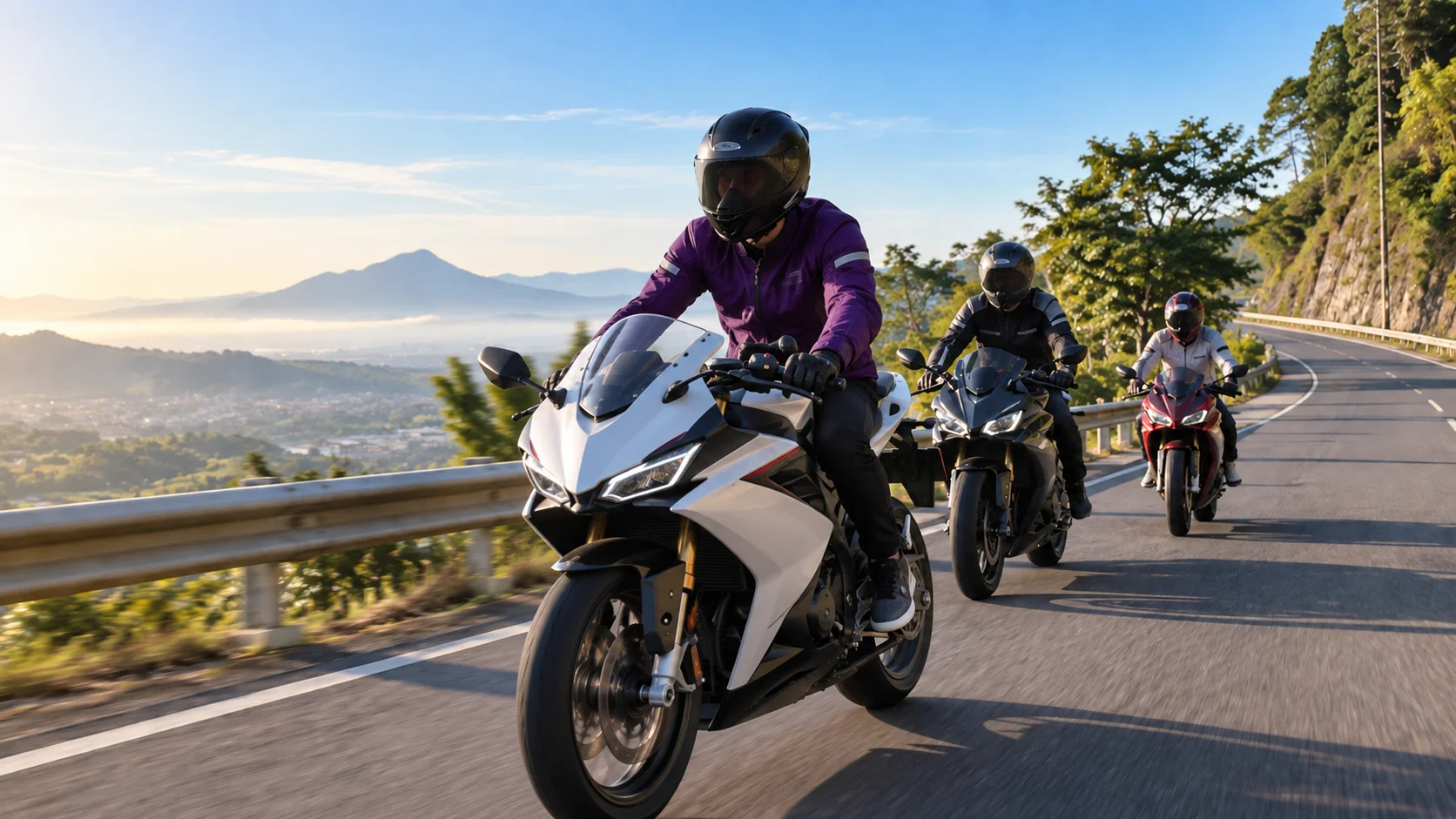
Sunmori is short for Sunday Morning Ride, a motorcycle riding activity generally done on Sunday mornings. It can be done alone, with friends, or as part of a motorcycle group or community. There are no specific rules about the distance or duration required for a ride to be called sunmori. Some riders choose short routes around the city for one to two hours, while others ride to mountain areas, tourist attractions, coffee shops, or another city before returning home on the same day.
What mainly distinguishes sunmori from everyday motorcycle trips is the purpose of the journey. Motorcycles are often used for commuting to work, school, or other daily activities, while sunmori is more closely associated with recreation, enjoying the ride, and meeting fellow riders.
This riding culture is especially relevant in Indonesia, where motorcycles are a major part of everyday mobility. As an illustration, the Indonesian Motorcycle Industry Association, or AISI, recorded domestic sales of 6,412,769 units throughout 2025, an increase of around 1.3% from the previous year. By August 2026, domestic distribution had reached around 4.36 million units.
The dominance of two wheeled vehicles can also be seen in regions with large numbers of registered vehicles. BPS data shows that in 2024 there were around 23.35 million motorcycles in West Java, representing 86.14% of all motor vehicles in the province. In Jakarta, motorcycles accounted for around 76% of registered motor vehicles in 2024.
For motorcycle communities, sunmori is not always only about riding. It can be an opportunity to strengthen relationships among members, welcome new members, visit particular destinations, or take part in social activities. This is why the concept and route of sunmori can vary from one community to another.
Why Is Sunmori Popular?
One of the attractions of sunmori is that it combines a passion for riding, recreation, travel, and social interaction in one activity. Because it is usually done on weekends, it can also be relatively easy for riders to fit into their schedules.
Some common reasons people enjoy this activity include:
1. Enjoying the morning atmosphere
Riding in the morning offers a different experience from a routine commute to work or other activities. Riders can choose scenic routes, stop for breakfast, or simply enjoy the journey before Sunday activities begin.
2. Enjoying an automotive hobby
For some motorcycle owners, riding is more than a transportation need. Sunmori is an opportunity to enjoy the performance and character of a motorcycle on a recreational ride. There is no specific type of motorcycle required for sunmori. Sport bikes, naked bikes, scooters, classic motorcycles, and everyday motorcycles can all be used as long as the vehicle is roadworthy and suitable for the planned journey.
3. Meeting friends and communities
Sunmori also has a strong social element. Riders can meet friends with similar interests, get to know new community members, or simply ride together before stopping at the destination.
4. Exploring new destinations
A sunmori destination does not have to be far away. Coffee shops, breakfast spots, tourist areas, scenic roads, and hilly areas can all become destinations. This variety allows sunmori routes to change and offer a different experience from one weekend to another.
5. Enjoying a weekend recreational activity
After the routine of the working week, a short motorcycle ride can be one option for weekend recreation. Riders can enjoy the journey without having to plan a long trip or an overnight stay.
Sunmori Still Requires Attention to Safety
Although it is a recreational activity, sunmori still takes place on public roads, so riding risks need to be considered. Road conditions, weather, traffic density, fatigue, and the behavior of other road users can all affect safety.
Data from Korlantas Polri shows that as of August 5, 2024, 79,220 traffic accidents had been recorded in Indonesia. Of all vehicles recorded as being involved in accidents, 76.42% were motorcycles. Other Korlantas data recorded 26,839 deaths from traffic accidents throughout 2024.
These figures are not specific to sunmori accidents and should not be presented as if sunmori caused them. However, they provide context for why recreational riding still requires proper preparation.
Before going on a sunmori ride, riders should therefore consider more than just where they want to go. They should also check the condition of the motorcycle, riding gear, physical condition, route, weather, and how the group will ride together.
Common Activities During Sunmori
Not every sunmori has the same agenda. Some are short rides to find breakfast, others explore routes outside the city, and some are community activities involving many participants. The activities are usually adjusted to the travel distance, number of riders, route conditions, and the purpose of each group.
In general, common sunmori activities include:
1. Meeting at the departure point
Participants usually choose an easy to find meeting point, such as a parking area, gas station, rest area, or another location where the group can gather safely. Departure is generally scheduled in the morning so the ride can finish before it gets too late in the day.
2. Holding a briefing before departure
For group sunmori rides, a briefing helps ensure that everyone understands the route. Information can include the destination, stopping points, road conditions that require extra attention, group riding rules, and emergency contacts.
In larger groups, roles are often assigned. The road captain leads the ride and manages the group pace, while the sweeper helps make sure no participant is left behind.
3. Riding to the destination
After the briefing, the ride begins along the agreed route. The destination may be a hilly area, tourist attraction, coffee shop, breakfast spot, or simply a scenic route.
When riding together, participants should maintain a safe distance and follow traffic rules. Riding in a group does not give participants special priority on the road, so the safety and interests of other road users must still be respected.
4. Stopping and regrouping
On longer rides, the group can stop at selected points to rest and regroup. This is an opportunity to make sure everyone is still with the group, check the motorcycles, refuel, or rest before continuing.
5. Having breakfast or coffee together
This is one of the activities commonly associated with sunmori. Many routes are planned around a breakfast spot or coffee shop as the final destination. After riding, participants can rest and spend time talking with friends or other community members.
6. Taking photos and documenting the ride
Sunmori is also often an opportunity to photograph motorcycles, the group, or scenery along the route. Documentation should be done only after the vehicle has stopped in a safe place that does not disrupt traffic.
7. Holding community activities
For community organized sunmori rides, the agenda does not always end after the ride. Some groups hold gatherings, road safety discussions, social activities, donation programs, or visits to other communities.
8. Returning to the final point or going home
After the agenda is complete, the group can return to a designated final point or participants can head home independently. On longer rides, physical condition should still be considered because the return journey is also part of the overall riding activity.
These activities will not always be the same on every sunmori ride. The purpose, travel distance, and number of participants can create different sunmori experiences. This has led to several types of sunmori that riders can choose according to their preferences.
Common Types of Sunmori
Sunmori does not always mean a large convoy or a long distance journey. The format can be adjusted to the purpose, available time, riding experience, and number of participants. Here are several common types of sunmori:
1. Casual Sunmori
A casual sunmori usually follows a relatively short route at a comfortable pace. The goal is not to cover as much distance as possible, but to enjoy the journey and the morning atmosphere.
This type of sunmori can be done with a few friends or independently. The destination can be simple, such as riding around the city and then stopping for breakfast or coffee before heading home.
2. Community Sunmori
A community sunmori involves a group of riders and may include a larger number of participants. The activity usually has a predetermined meeting point, departure time, route, and stopping points.
In larger groups, roles such as road captain and sweeper can help with coordination during the ride. A briefing before departure is also important so every participant understands the route and the group riding rules.
Large scale sunmori events have been held by various motorcycle communities in Indonesia. For example, the Suzuki Sunday Morning Ride in Banten in 2019 was attended by more than 450 riders from 45 communities. This shows how sunmori can grow from a small group ride into an activity that brings together different riding communities.
3. Exploration Sunmori
An exploration sunmori usually follows a longer route to a destination outside the rider’s usual activity area. Destinations may include mountain areas, beaches, hills, or other tourist attractions.
Because the journey is longer, preparation should be more thorough. Motorcycle condition, tire pressure, brakes, fuel, riding gear, physical condition, weather, and the planned route should all be checked before departure.
Riders should also take the return journey into account so they do not push themselves when already tired.
4. Culinary Sunmori
As the name suggests, a culinary sunmori makes a particular food or dining destination one of the main purposes of the ride.
The route is usually planned around a breakfast spot, coffee shop, or local specialty in a particular area. The ride may be short or relatively long depending on the location.
This concept makes sunmori not only a riding activity, but also an opportunity to explore new places through food.
5. Tourism Sunmori
A tourism sunmori focuses on visiting a particular destination, such as a natural area, historical site, or tourist attraction. The ride becomes part of the experience of reaching the destination.
If the destination is relatively far away, riders should consider opening hours, road conditions, parking availability, weather, and the time needed for the return trip.
6. Social Sunmori
Sunmori can also be combined with social activities. In addition to riding together, participants may make donations, visit certain locations, take part in environmental activities, or run community social programs.
Because these rides can involve more participants and activities, coordination becomes increasingly important. The route, timing, activity location, and participant safety should be planned from the beginning.
7. Solo Sunmori
Sunmori does not have to be done with a community. Riders can also do a solo sunmori by choosing their own route and destination.
The advantage is greater flexibility because riders can choose their departure time, riding pace, stopping points, and return time according to their needs.
However, because there is no group member who can immediately help if a problem occurs, riders should make sure both the motorcycle and their physical condition are good, carry the necessary equipment, know the route, and tell someone close to them about the travel plan if the ride will be relatively far.
Whatever type of sunmori you choose, the principle remains the same: ride safely and respect other road users. An interesting route and a comfortable motorcycle can make the journey more enjoyable, but preparation before departure is just as important.
Preparation Before Sunmori
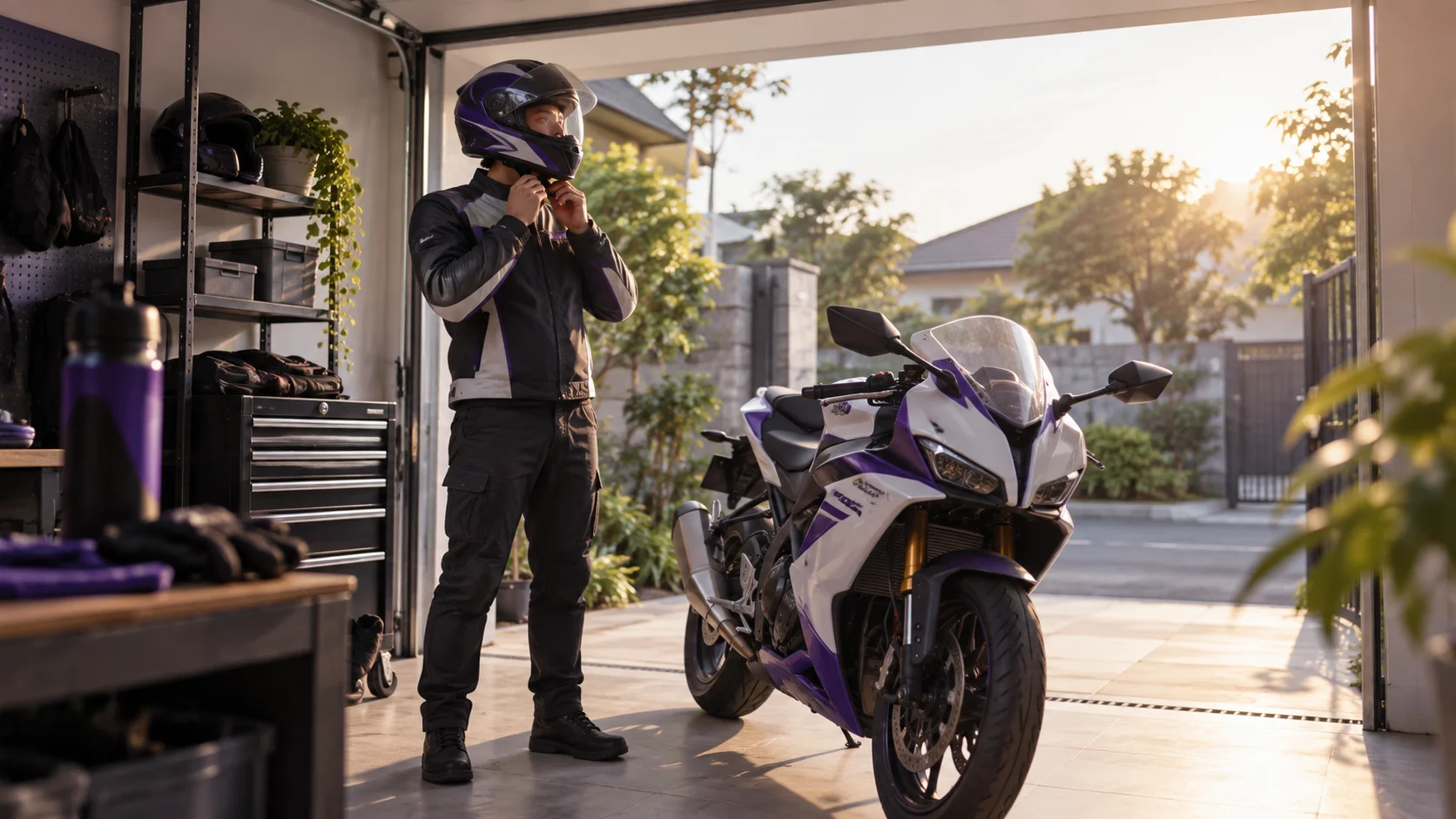
Sunmori often lasts only a few hours, but even a short ride requires preparation. Poor tire condition, insufficient fuel, forgotten equipment, or an unfit rider can disrupt the journey and increase riding risks.
Before leaving, take time to check the motorcycle, riding gear, and other needs for the journey. The following checklist can be used:
Category
|
What to Prepare
|
What to Check
|
|---|
Tires
|
Tire pressure and condition
|
Adjust pressure according to the manufacturer recommendation. Check for cracks, foreign objects, leaks, or excessive wear.
|
Brakes
|
Front and rear brakes
|
Make sure brake response feels normal and is not too deep, too hard, or losing braking power.
|
Lights and Horn
|
Headlight, brake light, turn signals, and horn
|
Make sure everything works before departure, especially if the ride starts while it is still dark.
|
Drive System
|
Chain, belt, or drive components according to motorcycle type
|
Check the condition and adjustment according to the manufacturer recommendation.
|
Oil and Fluids
|
Engine oil and other fluids according to motorcycle type
|
Make sure the levels and condition follow the manufacturer recommendation.
|
Fuel
|
Enough fuel
|
Refuel before the ride if needed and know the locations of gas stations if the route is relatively long.
|
Mirrors
|
Left and right mirrors
|
Adjust them to provide a clear view of the area behind you.
|
Documents
|
Driving license and vehicle registration
|
Make sure the driving license is appropriate for the vehicle and all required documents are still valid.
|
Helmet
|
SNI standard helmet
|
Wear it correctly and make sure the chin strap is securely fastened.
|
Riding Gear
|
Jacket, gloves, long pants, and closed footwear
|
Choose equipment that provides protection and is suitable for the journey and weather conditions.
|
Additional Protection
|
Knee pads or elbow pads
|
These can be used as additional protection according to the needs and characteristics of the ride.
|
Rain Gear
|
Raincoat
|
Bring one if rain is possible. Avoid poncho style raincoats that may become caught in parts of the motorcycle.
|
Communication
|
Phone and power bank
|
Make sure there is enough battery for navigation and communication throughout the journey.
|
Payment
|
Cash and digital payment methods
|
Prepare more than one payment method for fuel, parking, meals, or emergency needs.
|
Personal Needs
|
Drinking water and personal medication
|
Adjust these to the duration of the ride and each rider’s needs.
|
Emergency Equipment
|
Toolkit or simple repair kit
|
Match it to the motorcycle type and the rider’s ability to use it.
|
Physical Condition
|
Rest and physical condition
|
Avoid riding when sleepy, sick, exhausted, or otherwise not physically able to ride safely.
|
Disclaimer: The duration and route characteristics above are general illustrations only. Travel time may vary depending on distance, traffic conditions, weather, road conditions, number of participants, and frequency of stops. Always adjust the route to your riding ability, physical condition, and motorcycle condition.
In addition to the checklist, check the weather forecast before departure, especially if the route heads toward mountain areas or the ride continues into the afternoon. If the weather or road conditions are expected to be unfavorable, consider changing the route or rescheduling the ride.
For a community sunmori, make sure every participant knows the meeting point, departure time, destination, route, stopping points, and a contact person to reach if the group becomes separated.
How to Choose a Sunmori Route
A sunmori route should not be chosen only because a place is popular or looks appealing on social media. A suitable route should take into account distance, travel time, road conditions, weather, rider ability, motorcycle condition, and facilities available along the way. Consider the following before choosing a route:
1. Determine the Departure Point and Start Time
Choose a meeting point that is easy to find and allows riders to stop without disrupting traffic. Set the gathering and departure times as well so participants do not have to chase a group that has already left.
2. Match the Distance to the Available Time
Calculate both the outbound and return journeys, not only the time needed to reach the destination. Allow time for rest, meals, refueling, and possible traffic or road conditions that may extend the journey.
3. Check the Road Characteristics and Conditions
Look for information about road conditions before leaving. Consider whether the route has many bends, climbs and descents, narrow roads, poor surfaces, or other characteristics that require extra attention.
Choose a route that matches the rider’s ability. A route that is popular among riders may not be suitable for everyone.
4. Check the Weather Forecast
Weather can affect road conditions and visibility. Rain can also make road surfaces more slippery and increase travel time. If poor weather is expected, prepare an alternative route or reconsider the ride.
5. Determine Rest Stops
For longer journeys, choose places to stop periodically. Gas stations, rest areas, dining places, or safe parking areas can be used for resting and regrouping.
6. Calculate Fuel Needs
Know the approximate range of the motorcycle and the locations of gas stations along the route. This becomes especially important when the sunmori route goes far from city centers or through areas with limited facilities.
7. Prepare an Alternative Route
Traffic congestion, rain, road closures, accidents, or other conditions can make the original route unusable. Preparing an alternative route makes it easier to adapt the journey without having to make rushed decisions on the road.
8. Share the Route with All Participants
If the sunmori is done as a group, do not rely only on the road captain. Share the destination, route, meeting point, and stopping points with all participants so they can still reach the correct location if they become separated from the group.
9. Determine Regrouping Points
In addition to rest stops, set several points where the group can meet again if riders become separated by traffic lights, congestion, or other conditions. Riders do not need to speed up simply to catch the group.
10. Consider the Return Journey
A route that feels easy in the morning may not offer the same conditions on the way home. Traffic may become heavier, the weather can change, and riders may begin to feel tired. Estimate the return time from the beginning so the journey does not become excessively tiring. Examples of Sunmori Routes by Duration
There is no official distance or duration limit for sunmori. However, the following categories can be used as a general guide when planning a ride:
Type
|
Estimated Duration
|
Route Characteristics
|
Ride Focus
|
Preparation
|
|---|
Short Sunmori
|
1 to 2 hours
|
Around the city or nearby areas
|
Casual riding, breakfast, or coffee
|
Basic motorcycle checks, riding gear, and fuel
|
Half Day Sunmori
|
3 to 5 hours
|
City outskirts or relatively nearby destinations
|
Riding and destination exploration
|
Route, weather, fuel, rest stops, and personal needs
|
Exploration Sunmori
|
5 hours or more
|
Intercity routes, mountains, beaches, or tourist areas
|
Journey and destination exploration
|
More thorough motorcycle checks, physical condition, weather, alternative routes, fuel, and rest stops
|
Disclaimer: The durations above are general illustrations only and are not fixed standards. The same distance may require different travel times depending on traffic, road characteristics, weather, number of participants, and frequency of stops.
A good route does not have to be far away or challenging. A sunmori route should match the rider’s ability and the condition of the motorcycle so the journey remains comfortable and safe from departure until returning home.
Sunmori Etiquette in a Group
Group riding requires coordination and discipline because one rider’s decisions can affect other participants and surrounding road users. The purpose of sunmori is not to show who is the fastest, but to enjoy the journey together in an orderly and safe way.
It is important to remember that a motorcycle group does not have special rights on public roads. Every participant must still obey traffic rules, traffic lights, road markings, and respect other road users.
What Are a Road Captain and a Sweeper?
In a group ride, the road captain is usually the rider at the front who leads the journey. The road captain helps determine direction, maintain the group pace, and guide the group toward agreed stopping points or destinations.
The sweeper is generally positioned at the back of the group. The role helps monitor participants so no one is left behind and helps communicate information if a participant experiences a problem.
In larger groups, organizers may also appoint additional personnel to help with coordination. However, the presence of a road captain, sweeper, or other personnel does not replace each rider’s responsibility for personal safety and the safety of other road users.
The group should also determine regrouping points. If participants become separated because of traffic lights, congestion, or other traffic conditions, they can proceed to the agreed location rather than riding too fast to catch the group.
Is Motorcycle Insurance Necessary for Sunmori?