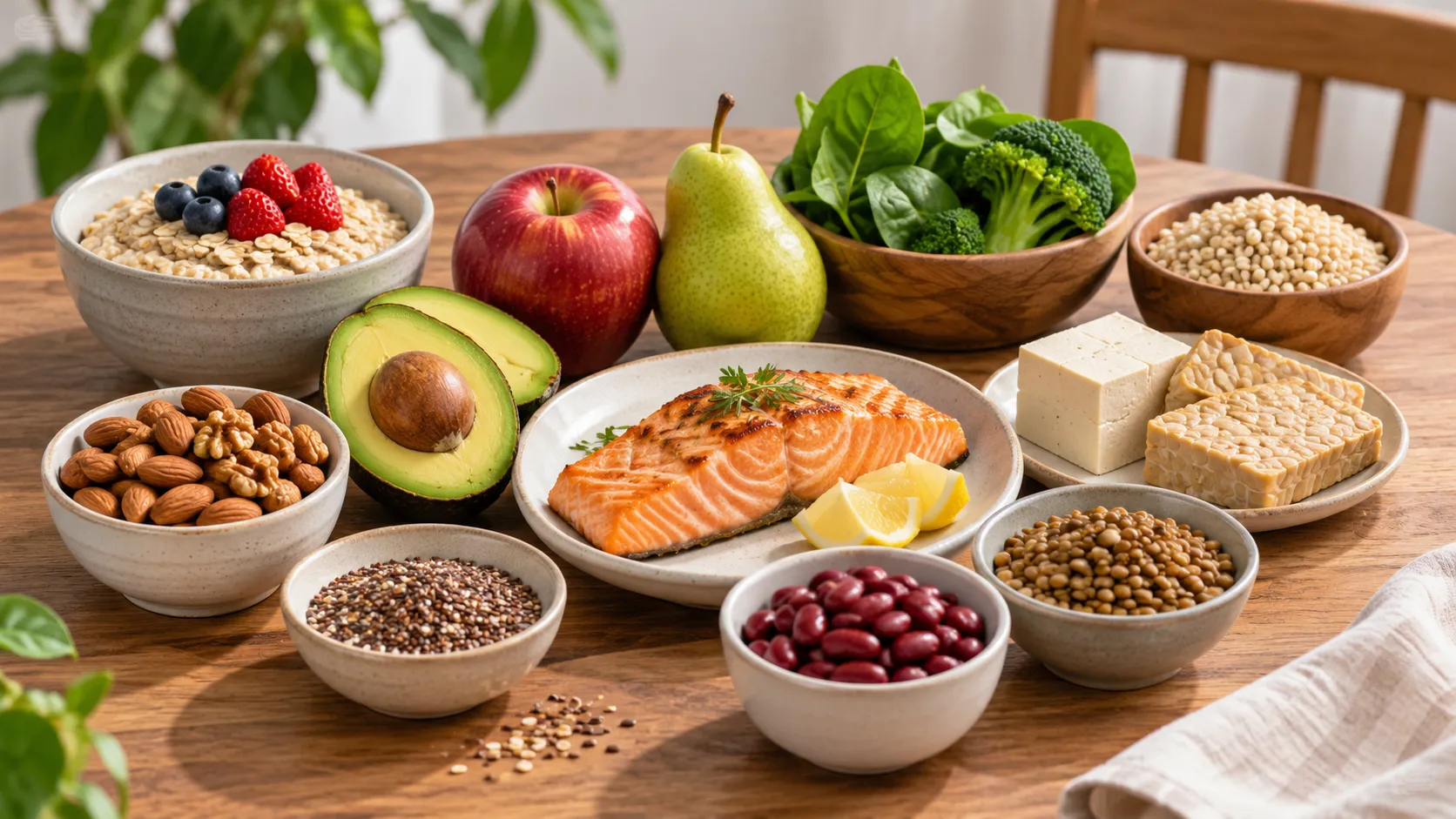
Understanding the Role of Food in Lowering Cholesterol
Cholesterol is a fatty substance the body needs to produce hormones, vitamin D, and components of cells. However, excessively high levels of certain types of cholesterol, particularly low-density lipoprotein (LDL), or “bad” cholesterol, can increase the risk of plaque buildup in blood vessels.
According to the American Heart Association, high LDL levels contribute to plaque formation in arteries and may increase the risk of cardiovascular disease.
In addition to genetics, dietary habits affect cholesterol levels. Eating foods high in saturated and trans fats can raise LDL, while foods containing soluble fiber and unsaturated fats can help improve cholesterol profiles.
Therefore, choosing cholesterol-lowering foods is an important step toward maintaining heart health. Here are ten options to include in your daily meals.
10 Cholesterol-Lowering Foods That Are Good to Eat
Various foods can help keep cholesterol levels under control. Each provides different nutrients and benefits, ranging from soluble fiber to unsaturated fats. Here are 10 cholesterol-lowering foods that can be part of your daily diet.
1. Oatmeal
Oatmeal contains beta-glucan, a type of soluble fiber that helps lower LDL cholesterol by reducing the reabsorption of bile acids in the intestines.
Oatmeal can be enjoyed for breakfast with fresh fruit and without too much added sugar.
2. Avocado
Avocado is a source of monounsaturated fats and fiber. Eating avocado instead of foods high in saturated fat can help improve cholesterol profiles.
Avocado can be eaten on its own, added to salads, or used instead of spreads high in saturated fat.
3. Fatty Fish
Fish such as salmon, sardines, and mackerel contain omega-3 fatty acids that benefit heart health, particularly by helping lower triglycerides.
Omega-3 does not consistently lower LDL directly, but replacing meat high in saturated fat with fish can be a healthier choice.
4. Apples and Pears
Apples and pears contain pectin, a soluble fiber that can help reduce cholesterol absorption. Eat whole fruit with the skin, after washing it thoroughly, to get more fiber than from strained fruit juice.
5. Almonds and Walnuts
Almonds and walnuts contain unsaturated fats, fiber, and plant compounds that can help maintain healthy cholesterol levels.
Choose nuts without added salt or sugar, and watch portion sizes because nuts are relatively calorie-dense.
6. Kidney Beans and Lentils
Kidney beans, lentils, and other legumes contain soluble fiber and plant protein. Replacing some fatty meat with legumes can help reduce saturated fat intake while increasing fiber consumption.
7. Tofu and Tempeh
Tofu and tempeh are soy-based sources of plant protein that can replace foods high in saturated fat.
Soy protein may provide a modest LDL-lowering benefit, especially as part of an overall healthy diet. Choose cooking methods such as steaming, grilling, or stir-frying with a little oil.
8. Green Vegetables
Vegetables such as spinach, broccoli, and water spinach contain fiber, vitamins, and minerals that support overall health.
Although the LDL-lowering effect of individual vegetables may be modest, eating vegetables regularly helps establish a healthier diet.
9. Barley
Barley is a whole grain rich in beta-glucan, the soluble fiber also found in oats. This fiber can help lower LDL cholesterol when consumed in sufficient amounts as part of a healthy diet. Barley can be prepared as porridge or soup, or used to replace some rice.
10. Flaxseeds and Chia Seeds
Flaxseeds and chia seeds contain fiber, unsaturated fats, and plant-based omega-3 fatty acids. Ground flaxseeds may be easier for the body to utilize than whole seeds. Both can be added to oatmeal, unsweetened yogurt, or smoothies.
Table of Cholesterol-Lowering Foods and Their Benefits
Each food has a different nutritional profile. Some help lower LDL directly through their soluble fiber content, while others primarily support heart health or replace sources of saturated fat.
The table below summarizes the foods and their main benefits.
Food
| Key Nutrients
| Benefits
|
|---|
Oatmeal
| Beta-glucan
| Helps lower LDL
|
Avocado
| Monounsaturated fats, fiber
| Helps improve cholesterol profiles
|
Fatty fish
| Omega-3
| Helps lower triglycerides
|
Apples and pears
| Pectin
| Helps reduce cholesterol absorption
|
Almonds and walnuts
| Unsaturated fats, fiber
| Supports LDL reduction
|
Kidney beans and lentils
| Soluble fiber, plant protein
| Helps manage LDL
|
Tofu and tempeh
| Soy protein
| A lower-saturated-fat protein alternative
|
Green vegetables
| Fiber, vitamins, minerals
| Supports a healthy diet
|
Barley
| Beta-glucan
| Helps lower LDL
|
Flaxseeds and chia seeds
| Fiber, plant-based omega-3
| Supports heart health and lipid profiles
|
Disclaimer: The benefits of each food depend on portion size, preparation, and the overall diet. Not all foods have the same LDL-lowering effect. Healthy foods also cannot replace cholesterol-lowering medications prescribed by a doctor.
Dietary Tips to Help Lower Cholesterol
Eating cholesterol-lowering foods is more beneficial when combined with broader dietary changes. Here are several habits you can adopt in everyday life.
1. Eat More Foods Rich in Soluble Fiber
Soluble fiber helps lower LDL cholesterol by binding bile acids in the digestive system, prompting the body to use more cholesterol to replace them.
Good sources include oatmeal, barley, apples, pears, and legumes. Increase fiber intake gradually to allow your body to adjust.
2. Limit Saturated and Trans Fats
Saturated fat is found in fatty meats, butter, and some high-fat dairy products. Trans fats may be present in certain processed foods made with partially hydrogenated oils. Reducing these fats and replacing them with unsaturated fats can help lower LDL.
3. Choose Healthier Cooking Methods
Cooking methods also affect the fat and calorie content of meals. For example, grilled or steamed fish can be a better choice than fish deep-fried in a large amount of oil.
The same applies to tofu, tempeh, and vegetables. Choose cooking methods that require less oil or added saturated fat.
4. Cut Back on Sugary Drinks and High-Sugar Foods
Excessive added sugar intake can contribute to elevated triglycerides, weight gain, and metabolic health problems. Choose water and whole fruit instead of sweetened beverages or juices with added sugar.
5. Maintain a Consistently Balanced Diet
Lowering cholesterol does not mean eating only one or two specific foods.
Combine healthy protein sources, vegetables, fruits, whole grains, and unsaturated fats in your daily meals. Consistent dietary habits matter more than relying on one food believed to lower cholesterol quickly.
Foods to Limit When You Have High Cholesterol
In addition to eating more healthy foods, it is important to pay attention to foods that can raise LDL cholesterol when consumed excessively.
Some foods to limit include:
Fatty and processed meats. Meats high in saturated fat, including certain sausages and processed meat products, can increase saturated fat intake.
Fried foods and fast food. Depending on their ingredients and preparation, some of these foods are high in saturated fat and calories.
Butter, cream, and high-fat dairy products. Excessive consumption can increase saturated fat intake.
Cakes and packaged snacks. Some products contain a combination of added sugar, saturated fat, or trans fat.
Large portions of foods made with thick coconut milk. Coconut milk contains saturated fat, so portion sizes and frequency of consumption should be considered.
Limiting these foods does not mean avoiding all of them entirely. What matters most is managing portions, frequency, and choosing healthier alternatives.
When Should You See a Doctor About High Cholesterol?
High cholesterol generally does not cause distinctive symptoms. A person can have high LDL levels without experiencing any complaints.
Therefore, a blood test called a lipid profile is needed to measure total cholesterol, LDL, HDL, and triglycerides.
Consulting a doctor is particularly important if you:
Have test results showing cholesterol levels above the recommended target.
Have a family history of high cholesterol or heart disease at a young age.
Have other risk factors, such as diabetes, high blood pressure, or smoking.
Have made dietary changes but still have high cholesterol.
Are taking cholesterol-lowering medication and need regular follow-up.
A doctor will determine cholesterol targets and treatment needs based on each person’s health and cardiovascular risk.
Remember that cholesterol-lowering foods are part of maintaining good health, not a substitute for necessary medical examinations or treatment.
Protecting Your Health Today to Prepare for Future Risks
Choosing cholesterol-lowering foods and adopting a healthy lifestyle are important steps toward maintaining long-term heart health.
In addition to watching what you eat, regular health checkups can help identify risk factors that may not cause symptoms.
However, even with healthy habits, serious illnesses can still occur. It is therefore important to consider financial preparedness for unexpected health conditions.
As one form of preparation, Oona Critical Illness Insurance can be an option for financial protection against certain critical illnesses covered under the policy terms and conditions.
By combining healthy habits, regular health checkups, and protection suited to your needs, you can be better prepared for various health risks in the future.
Editorial note: Link the product name to the official Oona Critical Illness Insurance page once the URL and policy benefits have been verified. Do not imply that high cholesterol alone is automatically covered.