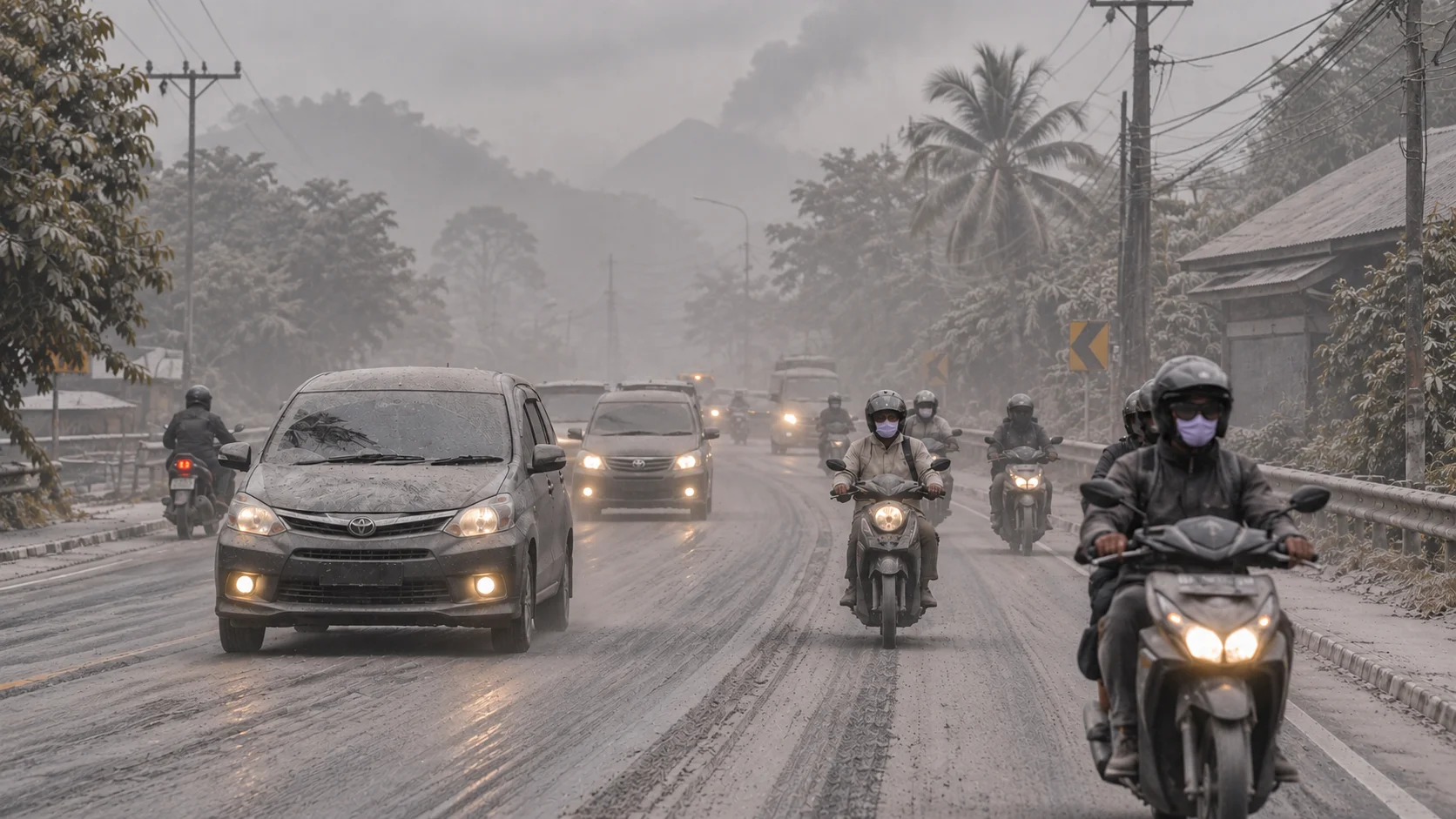
Anak Krakatau Activity Increases: Beware of Volcanic Ash Exposure
Anak Krakatau has once again drawn attention after a period of continuous eruption in early September 2026. According to a report from the Geological Agency of Indonesia’s Ministry of Energy and Mineral Resources, the continuous eruption occurred from September 4, 2026 at 11:07 p.m. WIB until September 6, 2026 at 12:04 a.m. WIB, lasting approximately 25 hours. Although the continuous eruption episode has ended, volcanic activity continues to be monitored, and as of September 7, 2026, Anak Krakatau remained at Level III (Alert). The Geological Agency also stated that the probability of further eruptions in the following periods remained high.
The impact was not limited to areas around the Sunda Strait. Volcanic ash from Anak Krakatau’s eruption was observed spreading as far as Banten, Jakarta, West Java, Lampung, and Bengkulu. Through satellite imagery analysis on September 6, 2026, BMKG also identified two clusters of volcanic ash dispersion reaching several of these areas. The direction and extent of ash dispersion can change with wind conditions, so the public should continue to follow updates from official sources.
Volcanic ash exposure can also affect daily activities, including road travel. In Bandar Lampung, for example, the local government sprayed water on several major roads to help reduce airborne ash that could disrupt drivers, riders, and other road users. Volcanic ash is also more than ordinary dust. Exposure may irritate the eyes, nose, throat, and skin, making personal protection an important consideration during outdoor activities.
Therefore, if you are in an area affected by volcanic ash and still need to travel, driving or riding requires extra preparation and caution. In addition to considering road conditions and visibility, using appropriate personal protection is important to help reduce ash exposure during the journey. The Geological Agency has also recommended that people affected by volcanic ash reduce outdoor activities or wear a mask when outside.
Driving Through Volcanic Ash: Do Not Overlook Safety
Volcanic ash can make travel conditions more challenging. Visibility may decrease, road surfaces can become covered in ash, and airborne particles may also affect comfort while driving or riding.
If the trip cannot be postponed, road users should be more alert and adjust their driving or riding to surrounding conditions. The protection needed may also differ between motorcyclists and car drivers.
Tips for Motorcyclists
Tips
|
What You Should Do
|
|---|
Wear a Mask
|
Wear a properly fitted N95 or KN95 mask that covers your nose and mouth to help reduce exposure to ash particles.
|
Protect Your Face and Neck
|
Use a balaclava as an additional layer to cover the neck and any exposed parts of the face. A balaclava is not a substitute for a mask.
|
Close the Helmet Visor
|
Use a half-face or full-face helmet with the visor closed to help protect your eyes and face from airborne ash.
|
Reduce Your Speed
|
Ride more slowly because ash can change visibility and road surface conditions. Avoid sudden braking or maneuvers.
|
Maintain a Safe Distance
|
Leave more space between you and the vehicle ahead so you have more time to react to changing road or traffic conditions.
|
Pull Over If Conditions Worsen
|
If the ash becomes denser or visibility is severely limited, find a safe place to stop and do not force yourself to continue the journey.
|
Disclaimer: Motorcyclists are more directly exposed to volcanic ash. If ashfall becomes heavier, visibility is severely limited, or the trip is not urgent, avoid riding and seek safe shelter. Continue monitoring official information and instructions from the authorities before resuming your journey.
Tips for Car Drivers
Tips
|
What You Should Do
|
|---|
Reduce Your Speed
|
Drive more slowly when visibility is reduced and avoid sudden braking or changes in direction.
|
Leave More Distance
|
Leave more space between you and the vehicle ahead so you have enough time to slow down or stop.
|
Close All Windows
|
Keep all windows closed to help limit ash from entering the cabin.
|
Use the AC Recirculation Mode
|
Activate air recirculation mode so more cabin air is recirculated, helping reduce the amount of outside air entering the vehicle.
|
Use the Wipers Carefully
|
Do not immediately use the wipers on a windshield covered in dry ash. Wet the glass with washer fluid first to help reduce the risk of scratches.
|
Check the Vehicle Condition
|
After passing through an ash-affected area, inspect and clean the vehicle carefully. Parts such as the air filter and components with ash buildup may require attention.
|
Stop If Visibility Becomes Too Poor
|
Do not force yourself to continue if the road becomes difficult to see. Find a safe place to stop until conditions improve.
|
Disclaimer: Even inside the cabin, car drivers should remain cautious because volcanic ash can affect visibility and vehicle condition. If ash exposure becomes more severe, prioritize safety and consider stopping or postponing the trip until conditions improve.
Vehicle Covered in Volcanic Ash? Do This After Your Trip
After traveling through an area affected by volcanic ash, vehicle care should not end when the journey does. Ash can settle on the bodywork, windows, and wheels, and may enter various gaps and vehicle components.
Volcanic ash is also different from ordinary road dust. Its particles can be abrasive, so avoid rubbing or wiping them off while dry. Friction between the ash and vehicle surfaces may cause scratches, particularly on paint and glass. To help clean and maintain your vehicle after volcanic ash exposure, consider the following steps:
1. Avoid Wiping Off Dry Ash Immediately
Although it may look like a layer of dust, do not rush to remove ash with a cloth, duster, or your hands. The particles can rub against vehicle surfaces and potentially leave fine scratches.
2. Rinse the Vehicle with Water First
Before washing the vehicle as usual, use water to help loosen and rinse away the ash. Rinse all exposed areas thoroughly and avoid applying pressure or rubbing the surface until most of the ash has been removed.
Once most of the ash has been removed, clean the vehicle using automotive shampoo and clean washing equipment.
3. Clean the Windows and Wipers Carefully
Ash buildup on the windshield can reduce visibility. However, do not immediately operate the wipers while the glass is still dry and covered in ash.
Wet and clean the glass first so ash particles do not rub directly against the surface. Remember to clean the wiper blades as well, as ash can collect there and be dragged across the glass when the wipers are used.
4. Clean Areas That Are Often Overlooked
Volcanic ash can enter or settle in areas that are not immediately visible. When cleaning the vehicle, pay attention to door gaps, window edges, the grille, rims, wheels, and other exposed areas.
For motorcycles, also check parts that are more exposed to the environment, including the area around the engine and components that can easily collect dust and ash during the ride.
5. Check the Vehicle Air Filter
The air filter is one component that deserves attention after a vehicle has been used in an area with heavy ash exposure. High levels of airborne particles can make the filter dirty or clogged more quickly.
Avoid cleaning or replacing the filter carelessly. Follow the manufacturer’s recommendations or seek assistance from a workshop if the filter appears very dirty or the vehicle has been used for an extended period in an affected area.
6. Check the Radiator and Air Intakes
In cars, ash can accumulate on the grille and around air passages leading to the radiator. Heavy buildup may restrict the airflow the vehicle needs.
After traveling through an area with heavy ash exposure, check these areas for buildup. If the ash is difficult to remove or you are unsure about the vehicle’s condition, having it inspected by a technician may be the safer option.
7. Check the Tires, Rims, and Braking Area
Ash does not only settle on the upper surfaces of a vehicle. Tires, rims, and surrounding areas are also directly exposed during travel.
After cleaning the vehicle, check whether ash remains around the wheels. If you notice unusual noises, vibrations, or changes in braking response after traveling through an ash-affected area, do not ignore them and arrange a further inspection.
8. Watch for Changes in Vehicle Condition
After using the vehicle in an affected area, watch for unusual changes, such as the engine feeling different, warning lights coming on, increased vehicle temperature, or new noises.
If you notice any of these signs, avoid forcing the vehicle to continue operating and have it inspected at a workshop.
9. Consider a Thorough Inspection After Heavy Exposure
Not every level of ash exposure requires the same treatment. If the vehicle is only covered by a thin layer, careful cleaning may be sufficient. However, if it has been used for a long time during ashfall or has accumulated a thick layer of ash, consider a more thorough inspection.
A workshop inspection can help ensure that the filters, cooling system, brakes, and other potentially affected components remain in good condition.
Oona Tips: Avoid using the vehicle again if heavy ash buildup remains or if there are signs of problems after the trip. Clean the vehicle carefully and follow maintenance recommendations from the manufacturer or a workshop for your type of vehicle.
Can Volcanic Ash Damage a Vehicle?
Volcanic ash may look like ordinary dust, but its characteristics are different. Ash particles can be abrasive and may cause scratches if rubbed directly against vehicle paint or glass.
The exterior is not the only concern. Very fine ash can also enter gaps throughout the vehicle. Under heavy exposure, ash buildup may affect the air filter and other vehicle components. Vehicles frequently used in affected areas therefore require extra attention after a trip.
The risks can vary depending on the level of exposure, the condition of the vehicle, and how it is used and cleaned. The thicker the ash buildup, the more important it is to clean it properly and arrange an inspection if necessary.
Stay Safe: Protect Your Vehicle and Yourself
Unusual road conditions require extra preparation. From using personal protective equipment and adjusting your speed to maintaining a safe distance and knowing when to stop, every step can help you travel more safely.
In addition to preventive measures, financial protection can also be part of your preparation for unexpected risks on the road. This protection can be considered not only for your vehicle, but also for you as a driver or rider.
For risks directly related to eruptions, volcanic ash, or natural disasters, coverage may vary by product and policy. Be sure to review the applicable terms and any coverage extensions before purchasing insurance or submitting a claim.