globeimage

ENG

whitearrow

10 Mins read

A Complete Guide to Choosing Motor Vehicle Insurance

Oona

Oona

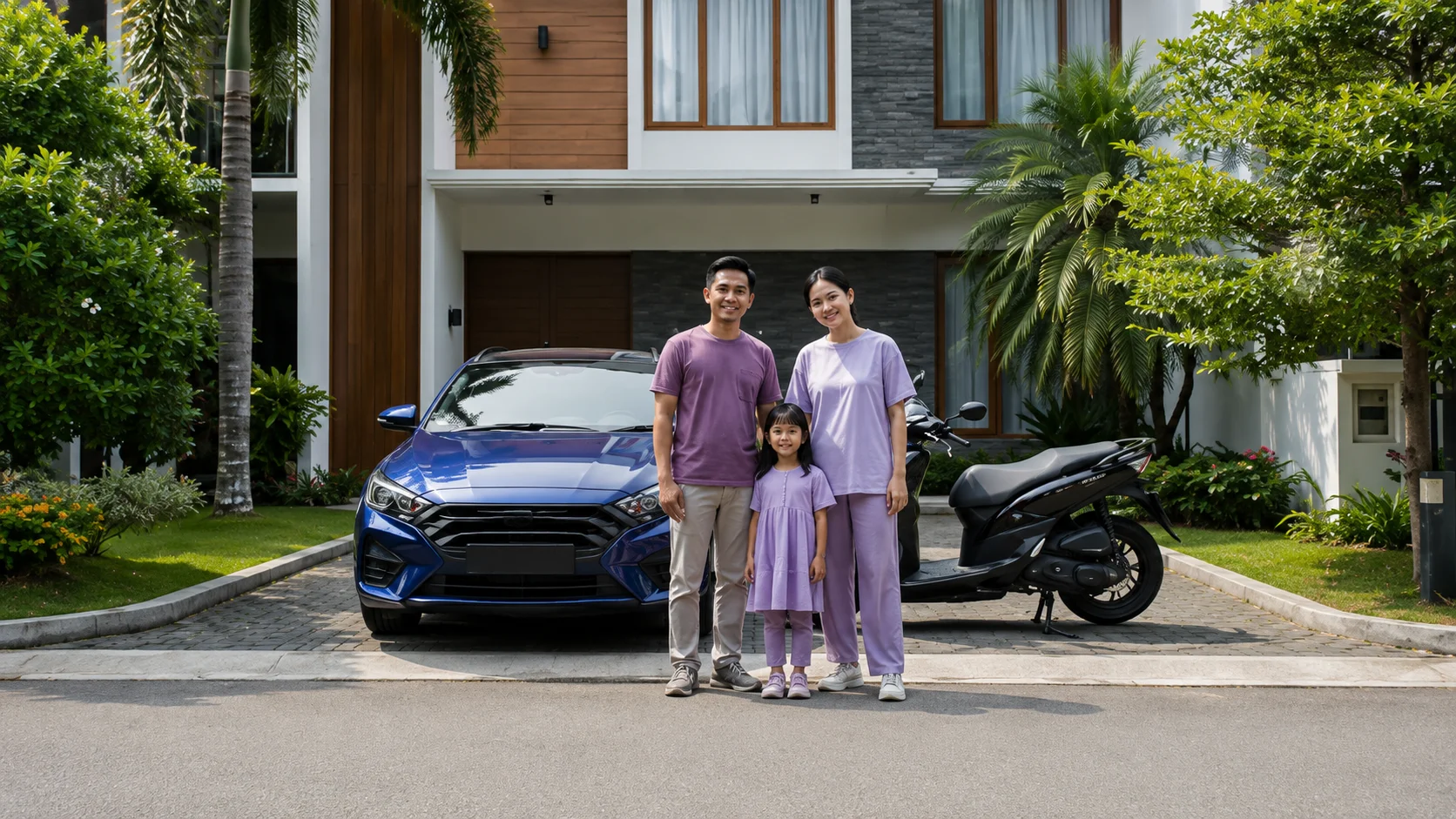
Indonesian family standing in front of their house with their car and motorbike

Motor vehicle insurance is a broad term that refers to insurance coverage for both cars and motorcycles. This guide explains what motor vehicle insurance is, the differences between car and motorcycle insurance, what is typically covered, and how to choose the protection that best suits your vehicle and your needs. Before purchasing a policy, it is important to understand the basics of insurance coverage so you can make an informed decision that fits your needs.

What is Motor Vehicle Insurance?

In simple terms, motor vehicle insurance covers the cost of repairing or replacing your vehicle if it is damaged or lost, subject to the type of coverage and the terms of your policy. It helps protect you from unexpected financial burdens caused by accidents, theft, or other unforeseen incidents on the road. 


Although the term motor vehicle insurance is commonly used as a general category, insurance products in Indonesia are typically divided into two main types based on the type of vehicle. This guide serves as a starting point if you are unsure which product is most relevant to your situation. 


The need for vehicle protection continues to grow as the number of vehicles in Indonesia increases. According to Statistics Indonesia (BPS), there were approximately 172.9 million registered motor vehicles in Indonesia in 2025, including around 145.3 million motorcycles and more than 20 million passenger cars.


If you already know which type of vehicle you want to insure, this guide can still serve as a useful refresher on the fundamental principles that apply to all vehicle insurance before you explore more detailed guides for either cars or motorcycles. 

Types of Vehicle Insurance: Car and Motorcycle Insurance

Car insurance and motorcycle insurance follow a similar coverage structure. Both offer Total Loss Only (TLO) and Comprehensive (All Risk) coverage. However, they are separate insurance products with different risk assessments and premium calculations.
 

For car owners, understanding the difference between car insurance and motor vehicle insurance can help clarify terms that are often used interchangeably in the market. Motorcycle owners, on the other hand, can learn why motorcycle insurance is important for everyday riders and better understand the specific protection needs of two wheeled vehicles.
 

The main difference between the two generally lies in the insurance premium. Motorcycles usually have a lower market value than cars, making motorcycle insurance premiums more affordable in most cases.
 

The table below summarizes the general differences between car insurance and motorcycle insurance to help you compare the two before choosing the most suitable product.

Category

Car Insurance

Motorcycle Insurance

Typical Vehicle Value

Generally higher

Generally lower


Annual Premium

Typically higher

Typically more affordable


Available Coverage Types

TLO and Comprehensive

TLO and Comprehensive

Leasing Requirements

Comprehensive coverage is commonly required


Varies depending on the financing provider


Common Optional Add Ons

Flood, riots, third party liability

Flood, riots, third party 

Frequency of Daily Risk Exposure

Varies based on usage

Generally higher for daily commuters


Disclaimer:
Coverage details, exclusions, and premium amounts vary depending on the policy and insurance provider. Use this table as a general comparison rather than a definitive reference.


The easiest way to use this table is to first identify which type of vehicle you want to protect, then review the detailed guide specific to that vehicle. If your household owns both a car and a motorcycle, the comparison highlights that each vehicle should be evaluated separately rather than treated as a single insurance decision.


Another difference that may not be immediately apparent from the table is the administrative aspect. Managing a single car insurance policy is generally simpler than managing multiple motorcycle policies for different family members, even though motorcycle premiums are lower on an individual basis. This is worth considering, especially if you have limited time to handle household administration.


In addition to comparing costs and the ease of managing policies, it is equally important to understand what risks are actually covered by vehicle insurance. Knowing what is included in your policy will help you choose the type of protection that best matches your vehicle and your daily driving needs.

What Is Typically Covered?

Both car insurance and motorcycle insurance generally protect against similar major risks. However, it is important to understand that not every type of protection is automatically included in a policy. Some benefits are part of the standard coverage, while others are only available as optional add ons for an additional premium.

Type of Coverage

Generally Covered?

Description

Accident Damage

Yes

Included in the standard coverage based on the type of policy selected, either Total Loss Only (TLO) or Comprehensive (All Risk).

Fire

Yes

Generally included in the standard vehicle insurance policy.

Flood

Yes

Covered subject to the terms and conditions of the policy.

Banjir

Optional

Usually available as an optional add on for an additional premium.

Riots or Civil Disturbances

Optional

Need to be submitted as an extension of guarantee if needed.

Third Party Liability

Optional

Covers legal liability for damage or injury to third parties, subject to the policy terms. This coverage is generally available as an optional add on.


Disclaimer:
Coverage may vary between insurance companies and depends on the type of policy, its terms and conditions, and any optional add ons selected.


Besides understanding what is covered, it is equally important to know what is generally excluded from a vehicle insurance policy.

Common Exclusion

Explanation

Undeclared Vehicle Modifications

A claim may be denied if modifications increase the level of risk and are not disclosed to the insurance company. 

Use Outside The Intended Purpose

For example, using a privately insured vehicle for commercial purposes without notifying the insurer, if required under the policy terms. 

Gross Negligence

Includes deliberate actions or serious negligence that increases the risk and results in damage or loss. 


Disclaimer:
The exclusions above are common examples found in many vehicle insurance policies. Always read your policy's terms, conditions, and exclusions carefully to understand the full scope of coverage. .


It is also important to understand the difference between standard coverage and optional add ons. Standard protection is automatically included when you choose a policy type such as Total Loss Only (TLO) or Comprehensive (All Risk).


Additional benefits such as flood protection, riot coverage, and third party liability generally need to be purchased separately and will increase your premium. Understanding this distinction helps ensure that the risks most relevant to your needs are actually covered by your policy rather than simply assumed to be included.


Now that you understand what vehicle insurance typically covers, the next step is learning how insurance premiums are calculated.

How Are Vehicle Insurance Premiums Calculated?

Both car insurance and motorcycle insurance use similar principles when calculating premiums. Premiums are not determined at random. Instead, they are based on several factors that reflect the level of risk associated with the insured vehicle.

Factor

How It Affects Your Premium 

Vehicle Value

The higher the value of the vehicle, the higher the premium is generally expected to be. However, the premium rate as a percentage of the vehicle's value may be similar for both cars and motorcycles. 

Vehicle Age

Older vehicles may be subject to different premium rates depending on the insurer's underwriting policy. 

Area Of Use

Where the vehicle is primarily used can affect the premium because traffic density and theft risk vary by location. 

Type of Coverage

Total Loss Only (TLO) policies generally have lower premiums than Comprehensive (All Risk) policies because they provide more limited coverage. 

Claims History

At the time of policy renewal, some insurers may consider your claims history when determining future premiums or policy terms. 


Disclaimer:
The factors above are commonly used when calculating vehicle insurance premiums. The underwriting method, the weight assigned to each factor, and the premium charged may vary between insurance companies.

A woman compares vehicle insurance documents at home


When comparing insurance premiums, avoid focusing only on the amount you pay. Also consider the benefits provided, the type of coverage, and any optional add ons included in the policy. This will help you choose vehicle insurance that not only fits your budget but also provides the protection you actually need. 

Why Is Motor Vehicle Insurance Important?

Accidents and vehicle theft can happen at any time, regardless of how carefully you drive. These risks remain significant in Indonesia. According to the Indonesian National Police Traffic Corps (Korlantas), approximately 158,508 traffic accidents were recorded across the country in 2025. This serves as a reminder that every vehicle owner faces the potential for unexpected financial loss.


Without insurance, the full cost of repairing or replacing your vehicle becomes your personal responsibility. This can create a significant financial burden, particularly in cases of major damage or total loss.


For households that own both a car and a motorcycle, understanding the role of each insurance policy can also make it easier to manage multiple policies in a more organized way.


Beyond the immediate financial impact, not having insurance can also affect your daily mobility. If a damaged vehicle cannot be repaired promptly because of limited emergency funds, it may disrupt work, school, or other essential activities, especially for households that rely on a single vehicle for transportation.


It is also important to understand that the need for vehicle insurance does not necessarily decrease as your vehicle gets older. While a vehicle's market value generally declines over time, the cost of repairing many components does not always decrease at the same rate. As a result, older vehicles can still lead to significant repair expenses even when their resale value is much lower than when they were first purchased.

Common Household Scenarios and Their Insurance Needs

Every household has different vehicle insurance needs. The number of vehicles, how they are used, and their intended purpose can all influence the type of insurance and level of coverage that is most appropriate. The table below outlines key considerations based on common household situations.


Household Profile

Insurance to Prioritize

Key Considerations

One Car as The Primary Vehicle

Car Insurance

Choose the type of coverage based on the vehicle's age and how it is used. Since there is only one vehicle, focus on comparing policy benefits, coverage, and premiums.

One or More Motorcycles as The Primary Vehicle 

Motorcycle Insurance

Match the coverage to how frequently the motorcycles are used. If multiple family members share the vehicle, make sure you understand the policy's insured driver requirements before purchasing.

Both a Car
and Motorcycle

Car Insurance & Motorcycle Insurance 

Assess the insurance needs of each vehicle separately while managing the policies together. Planning an annual premium budget for all vehicles can help control overall costs and simplify policy renewal management.

Recently Purchased a Second Vehicle

Based on the vehicle type

Adding another vehicle is a good opportunity to review your entire vehicle insurance portfolio rather than simply purchasing another policy without reassessing your overall protection needs.

Vehicle Used for Business 

Based on the vehicle type

Business vehicles are generally used more frequently than personal vehicles. Make sure the vehicle's use complies with your policy terms and consider any relevant optional add ons if available.


Disclaimer: The examples above are for general illustration only. Coverage options, insured driver requirements, permitted vehicle use, and the availability of optional add ons may vary between insurance companies. Always read your policy's terms and conditions before purchasing.


In addition to choosing insurance that matches your vehicle type, it is a good idea to review your coverage whenever your circumstances change, such as when you purchase another vehicle, change how your vehicle is used, or repurpose it for a different function. Regular reviews help ensure your protection remains relevant while allowing you to manage your premium budget more effectively.


The following questions can help you identify the type of coverage that best suits your needs. 

Questions to Ask Before Choosing a Vehicle Insurance Policy

Before selecting a vehicle insurance product, take a few moments to answer the following questions:


  • What type of vehicle do you want to insure: a car, a motorcycle, or both?
     

  • How is the vehicle used? Is it driven every day, occasionally, or for business purposes? What type of area is it used in most often?
     

  • Who will drive the vehicle? Will it only be you, or will it be shared with other family members?
     

  • What is a realistic annual insurance premium budget?


Your answers will help you determine the most suitable type of coverage and insurance product, whether that is Car Insurance, Motorcycle Insurance, or a combination of both if you own multiple vehicles.


To make your consultation with an insurance provider more effective, consider writing down your answers instead of relying on memory. This allows you to clearly explain your needs to an insurance agent or provider so they can recommend a policy that better matches your circumstances.


Keep in mind that your insurance needs may change over time. Purchasing another vehicle, changing how your vehicle is used, or having additional family members who regularly drive it can all affect the type of protection you need. For this reason, it is a good idea to review your insurance coverage each time you renew your policy.


Some insurance companies specify a primary driver or insured driver in the policy. If more than one person will regularly use the vehicle, make sure you understand these requirements before purchasing or renewing your policy. 

How to Read Your Insurance Policy Before Making a Decision

Once you have selected the right insurance product, take the time to read your policy carefully. In addition to understanding the benefits provided, make sure you are familiar with the policy exclusions, claims procedure, reporting deadlines, and the documents required to file a claim. Taking these simple steps can help make the claims process smoother if an insured event occurs.


What To Review 

Why It Matters

Policy Exclusions

Identify the situations or events that are not covered by your insurance policy.

Claim Reporting Deadline

Claims submitted after the reporting deadline may be rejected.


Claims Procedure 


Understanding the claims process can help speed up claim settlement.

Supporting Documents

Having the required documents ready helps the insurer verify your claim more efficiently.


Disclaimer:
Claims procedures, reporting deadlines, and documentation requirements may vary between insurance companies. Always follow the requirements stated in your policy.


In general, the following documents are commonly required when submitting a vehicle insurance claim.


Document 

Purpose

Copy of The Insurance Policy 

Proof that your policy is active and valid.

Policyholder's Identification Card 

Used to verify the policyholder's identity.

Vehicle Registration Certificate (STNK) 

Proof of vehicle ownership and registration.

Valid Driver's License

Confirms that the driver was legally licensed to operate the vehicle.

Police Report

Commonly required for accidents involving third parties or vehicle theft. 


Disclaimer: The documents listed above are commonly required for vehicle insurance claims. Your insurer may request additional documents depending on the type of claim, the circumstances of the incident, and the terms of your policy.


If you have multiple insurance policies for different vehicles, keep a separate set of documents for each one, both in physical and digital form. Organizing your documents properly makes it easier to find the information you need and helps reduce the risk of errors when filing a claim.


Now that you understand the policy requirements, the next step is learning how to choose the right vehicle insurance.

How to Choose the Right Vehicle Insurance

Once you understand the differences between car insurance and motorcycle insurance, use the following steps to help you select the protection that best suits your needs.

Steps

What to Do

Identify Your Vehicle

Determine whether you want to insure a car, a motorcycle, or both.

Assess
Your Needs

Consider the vehicle's age, how it is used, and your available premium budget before selecting a coverage type.

Learn About
Your Coverage Options

For cars, understand the differences between Total Loss Only (TLO) and Comprehensive (All Risk) coverage. You can also explore why car insurance is important to better understand its benefits. 

Compare Insurance Providers

Compare policy benefits, premiums, and terms from multiple insurance companies. Compare car and motorcycle insurance separately, as the best option may not come from the same provider. 

Review The Policy

Before purchasing, make sure you understand what is covered, what is excluded, and how the claims process works. If anything is unclear, ask your insurance provider for clarification before making your decision. 


Disclaimer:
Premiums, benefits, coverage, and policy terms vary between insurance companies. Always read the full policy terms and conditions before purchasing any insurance product.

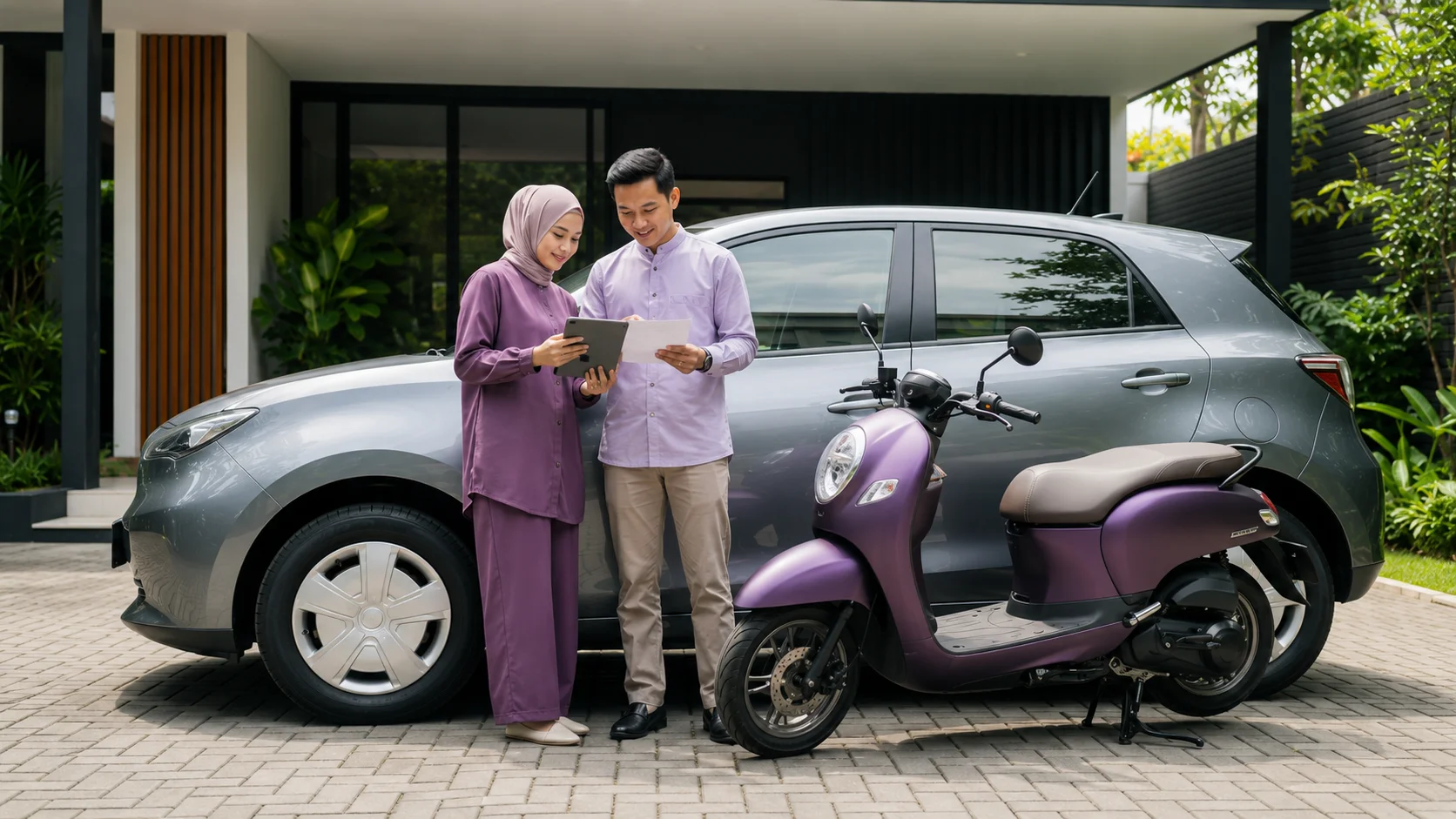
Indonesian couple checking car and motorbike protection documents


The good news is that Oona offers both Car Insurance and Motorcycle Insurance with coverage options that can be tailored to your needs. By understanding your vehicle's requirements and comparing the available options, you can choose protection that delivers the best value based on your budget and risk profile. 

Managing Multiple Insurance Policies Within One Household

Many households in Indonesia own more than one vehicle, such as a car and one or two motorcycles. Managing multiple insurance policies can become confusing if they are not organized properly, especially when each policy has a different renewal date.
 

Keeping a simple record of each vehicle's policy renewal date, coverage type, and insurance provider's contact details can help you avoid missing a renewal. If a policy is not renewed on time, your vehicle will be left uninsured during that period, meaning you will be fully responsible for any financial losses.
 

Some households choose to align the renewal dates of all their vehicle insurance policies by adjusting the policy period at the next renewal. This allows all annual policy reviews to be completed at the same time instead of being spread throughout the year.
 

Assigning one family member to oversee the household's vehicle insurance administration can also simplify policy management, even if each vehicle has a different owner. This does not need to be a formal role, but having one person who keeps track of every policy can help prevent accidental lapses because each owner assumes someone else is handling the renewal.

When Should You Review Your Vehicle Insurance?

You do not have to wait until your policy expires to review your insurance coverage. Significant changes such as purchasing a new vehicle, moving to an area with different risk levels, or changing how your vehicle is used are all good opportunities to reassess whether your current coverage is still appropriate.
 

Regular reviews help ensure that you are not paying for coverage you no longer need while also making sure you are adequately protected against any new risks that may arise.
 

A change in employment is another good reason to review your policy, especially if your new job requires longer commutes, using your vehicle for business purposes, or relocating to a city with different traffic conditions. Insurance that suited your previous routine may no longer provide the level of protection you need after your circumstances change.

Comparing Insurance Providers

Before purchasing vehicle insurance, take the time to compare offers from several insurance companies. Do not focus solely on the premium. Also compare the policy benefits, exclusions, quality of service, and ease of the claims process.

What to Compare

Why It Matters

Premium

Make sure the premium fits your budget and offers good value for the protection provided.

Coverage

Check which risks are covered and whether the optional add ons you need are available.

Policy Exclusions

Understand what is not covered to avoid misunderstandings when filing a claim.

Claim Process and Customer Service

Consider how easy it is to report a claim, how quickly claims are handled, and the quality of customer support.

Benefits for Multiple Policies

If you insure both a car and a motorcycle, check whether the insurer offers administrative convenience or integrated services for multiple policies.


Disclaimer:
Premiums, benefits, services, and policy terms vary between insurance companies. Always compare policies that provide equivalent levels of coverage before making a decision. 


In addition to comparing official information provided by insurance companies, you may also find it helpful to consider the experiences of other customers. Useful sources include:
 

  • Family members, friends, or colleagues who have previously filed insurance claims.
     

  • Customer reviews on trusted platforms or discussion forums.
     

  • Feedback on claims processing speed, customer service accessibility, and complaint resolution.
     

When reading reviews, focus on recurring patterns rather than isolated negative experiences. For example, if many customers consistently report slow claims processing or difficulty contacting customer service, this may be an important factor to consider when choosing an insurance provider.
 

By comparing insurance providers thoroughly, you can choose a policy that not only offers a competitive premium but also delivers the protection and service quality that best meet your needs.

Adjusting Your Insurance as Your Vehicle Portfolio Grows

Many households begin with one vehicle and later purchase another, such as buying a motorcycle for a family member who has just started driving or adding a second car for work purposes. Whenever you add another vehicle, it is a good opportunity to review your entire vehicle insurance portfolio rather than simply purchasing an additional policy without considering your overall protection needs.
 

Looking at all of your vehicle insurance together, instead of managing each policy separately, can help you identify overlapping coverage or gaps in protection across your vehicles.
 

Adding another vehicle is also a good time to evaluate whether your current insurance provider is still the best choice or whether a different provider may be better suited for your new vehicle. There is no requirement to insure every vehicle with the same company, provided you are comfortable managing policies from multiple insurers.

The Role of Insurance Agents and Providers

If you are unsure which type of coverage best suits your needs, speaking with an insurance agent or representative can help you better understand the options available based on your specific circumstances. A good agent will clearly explain the trade off between premium costs and coverage rather than simply recommending the product that offers the highest commission.
 

Do not hesitate to ask questions about situations that are relevant to you, such as how claims are handled when your vehicle is used for long distance travel or what happens if it is driven by another family member.
 

Preparing a list of questions before meeting with an insurance provider can help ensure that all your concerns are addressed before your policy takes effect, whether you are purchasing insurance for a car, a motorcycle, or both.
 

Finally, remember that an insurance agent or representative is there to help you understand the available products, not to make the decision for you. The final choice is always yours as the policyholder, so never feel pressured to purchase a policy until you fully understand and are comfortable with its terms.

Choose the Right Vehicle Insurance for Your Needs 

Whether you own a car, a motorcycle, or both, understanding the differences between available insurance products and coverage options will help you choose the protection that best suits your needs. Start by identifying the type of vehicle you want to insure and evaluating your protection requirements, then compare the available coverage options before making your decision. 
 

Get a free quote for Car Insurance, and explore Motorcycle Insurance options to find the right protection for your vehicle.

Frequently Asked Questions

Which costs more, car insurance or motorcycle insurance?

Answer
Car insurance premiums are generally higher than motorcycle insurance premiums because cars typically have a higher market value, which affects premium calculations. The actual premium depends on the type of coverage selected and each insurer's underwriting guidelines.
Questions
Which costs more, car insurance or motorcycle insurance?
Sequence Id
4
Tags

Is vehicle insurance legally required in Indonesia?

Answer
Vehicle insurance is generally optional unless it is required by a leasing or financing company while the vehicle is still under a financing agreement. If your vehicle is financed, confirm the applicable requirements with your financing provider.
Questions
Is vehicle insurance legally required in Indonesia?
Sequence Id
3
Tags

What is the difference between motor vehicle insurance and car insurance?

Answer
Motor vehicle insurance is a broad term that covers both cars and motorcycles, while car insurance specifically refers to insurance designed for four wheeled vehicles.
Questions
What is the difference between motor vehicle insurance and car insurance?
Sequence Id
1
Tags

Can one insurance policy cover both a car and a motorcycle?

Answer
In most cases, car insurance and motorcycle insurance are separate products with separate policies. Check with your insurance provider to find out what options are available if you own more than one type of vehicle.
Questions
Can one insurance policy cover both a car and a motorcycle?
Sequence Id
2
Tags

Types of Motor Vehicle Insurance and How to Choose

Get a Free Quote